
While modern FIFA World Cups are defined by colossal mega-stadiums holding upwards of 80,000 fans, the tournament’s early history relied heavily on intimate, low-capacity venues.
Here are stadiums that have hosted World Cup games while having a capacity below 20,000.
Estadio Pocitos (Montevideo) – 1930 Uruguay
Estadio Pocitos in Montevideo opened in 1921 and had a capacity ranging from 1.000 to 10.000. This small club ground owned by CA Peñarol was used out of emergency necessity in the 1930 World Cup because heavy winter rains delayed the completion of the massive Estadio Centenario.
It is immortalized as the site of the first goal in World Cup history. It also hosted the lowest confirmed attendance in tournament history, estimated between 300 and 2,549 fans for Romania against Peru.
Peñarol vacated the ground in 1933, and it was demolished in 1940 to make way for the increasing urban expansion of Montevideo.
Stadio Littorio (Trieste) – 1934 Italy
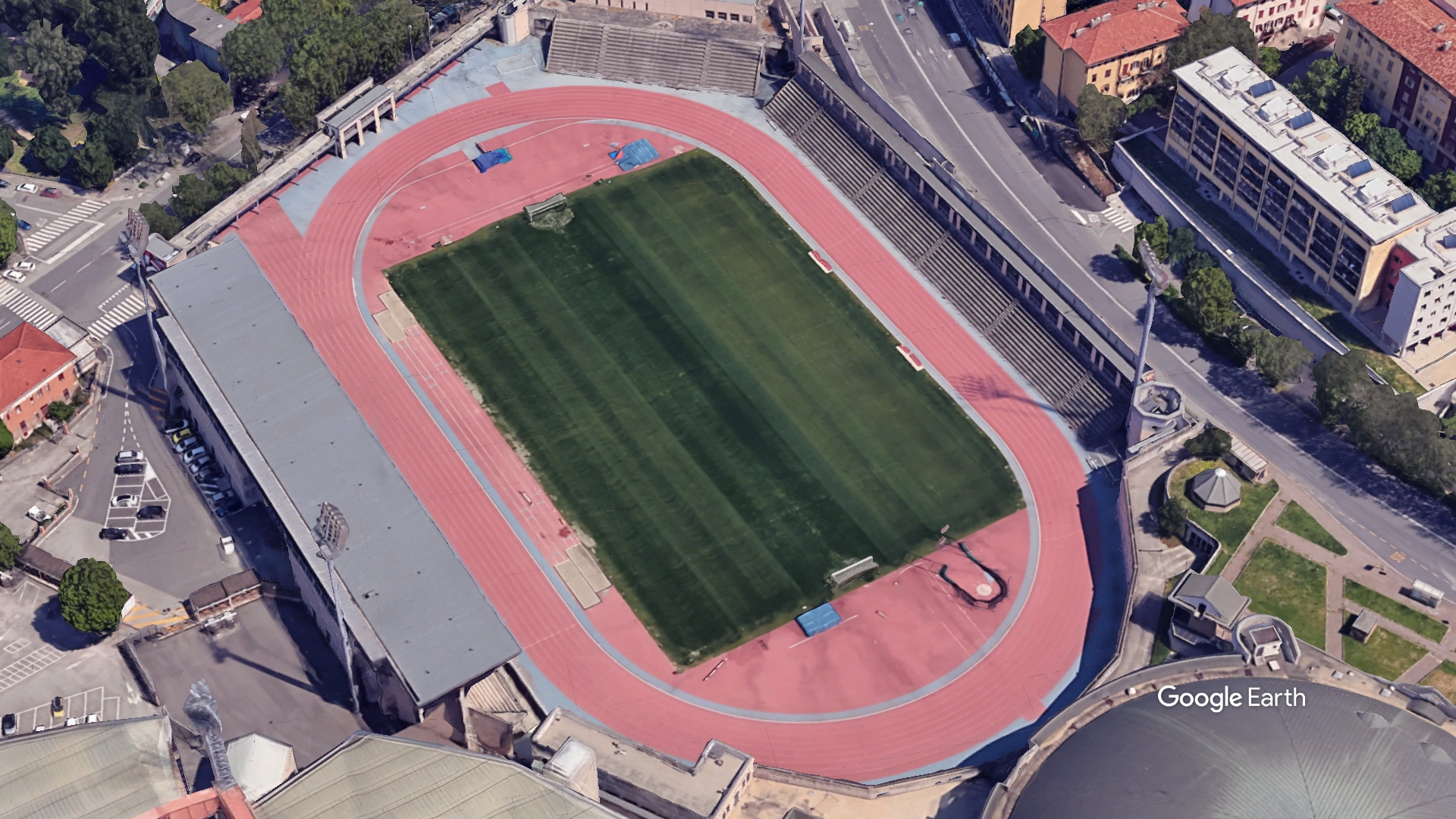
Stadio Littorio had a capacity of 8,000 and in the 1934 Italy World Cup hosted a single Round of 16 match.
Following World War II, it was renamed Giuseppe Grezar in honor of a local footballer who perished in the 1949 Superga air disaster. It hosted Triestina Calcio until 1992 and remains open today as a minor, recently renovated athletics venue.
Stade du Fort Carré (Antibes) – 1938 France
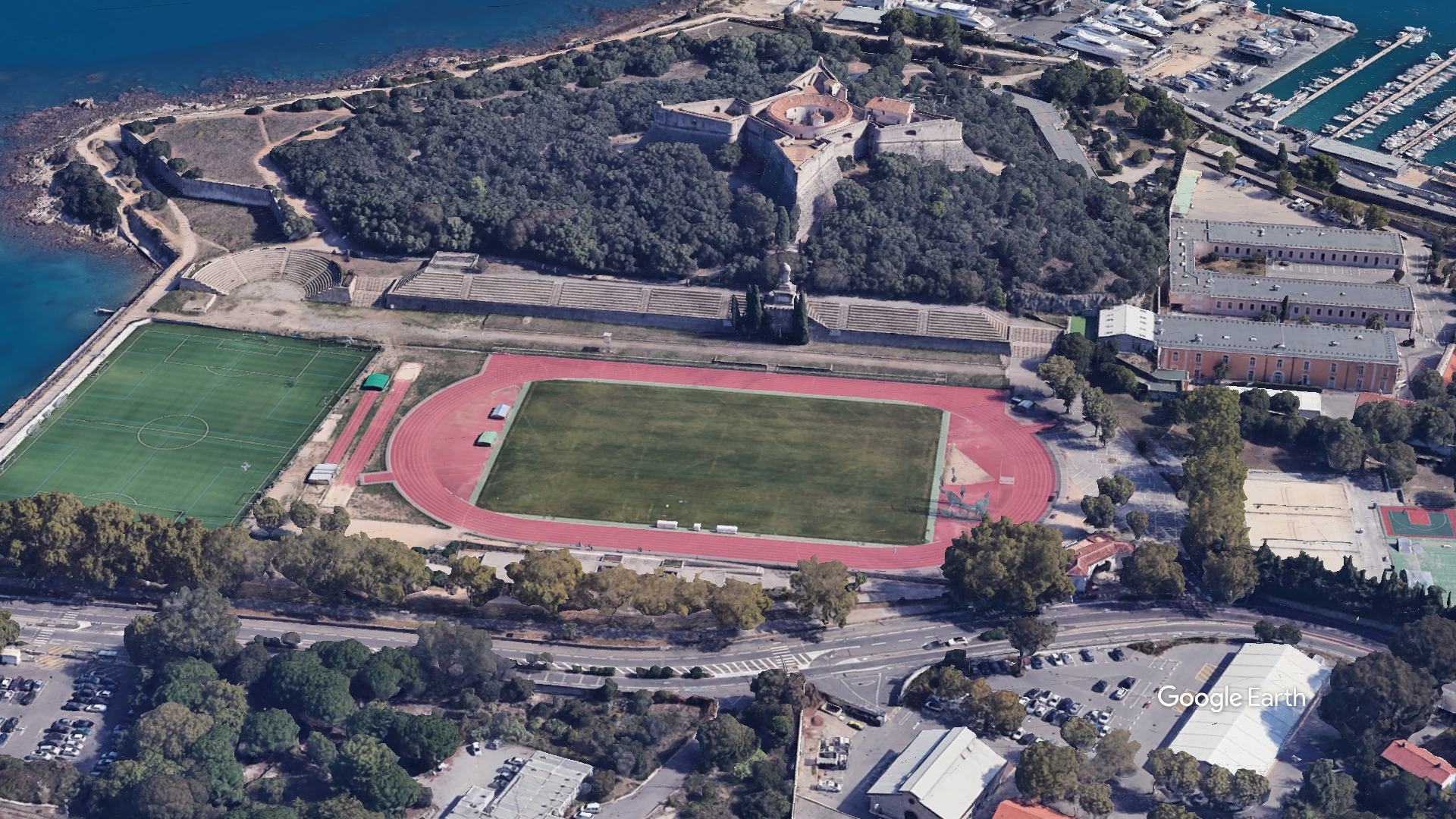
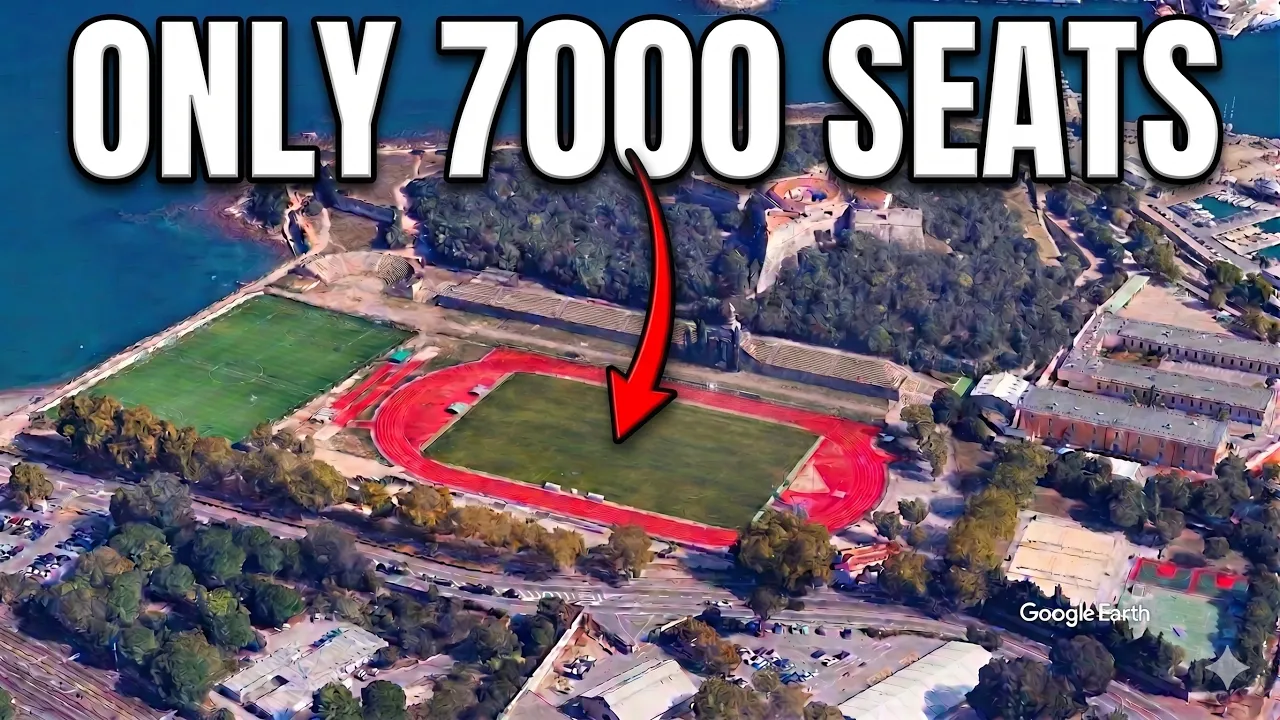
With a capacity of 7,000, Stade du Fort Carré holds the enduring record as the smallest stadium to ever host a World Cup match. In the 1938 World Cup it hosted Sweden’s 8-0 demolition of Cuba.
Post-WWII, it was used as a military training facility before being handed to the Department of Sports in 1967. It remains active today as an athletics and football ground of the local amateur club, Antibes FC.
Stade du T.O.E.C. (Toulouse) – 1938 France
Stade du T.O.E.C., located in Toulouse, France, was an early 20th-century stadium utilized during the 1938 FIFA World Cup.
Operating with a capacity of 15,000 spectators, it was selected as part of the French organizers’ strategy to decentralize the tournament across various provincial cities. The ground hosted two matches during the competition. Its history eventually came to a close when the stadium was completely demolished in 1965.
Stade Victor Boucquey (Lille) – 1938 France
Stade Victor Boucquey, located in Lille, France, was a historic venue originally opened in 1902 with a capacity of 15,000 spectators.
The stadium was utilized as part of the decentralized hosting strategy for the 1938 FIFA World Cup, where it hosted a single match during the tournament.
It was the home of Lille and was demolished in 1975 when the club moved to another stadium.
Estádio Vila Capanema (Curitiba) – 1950 Brazil
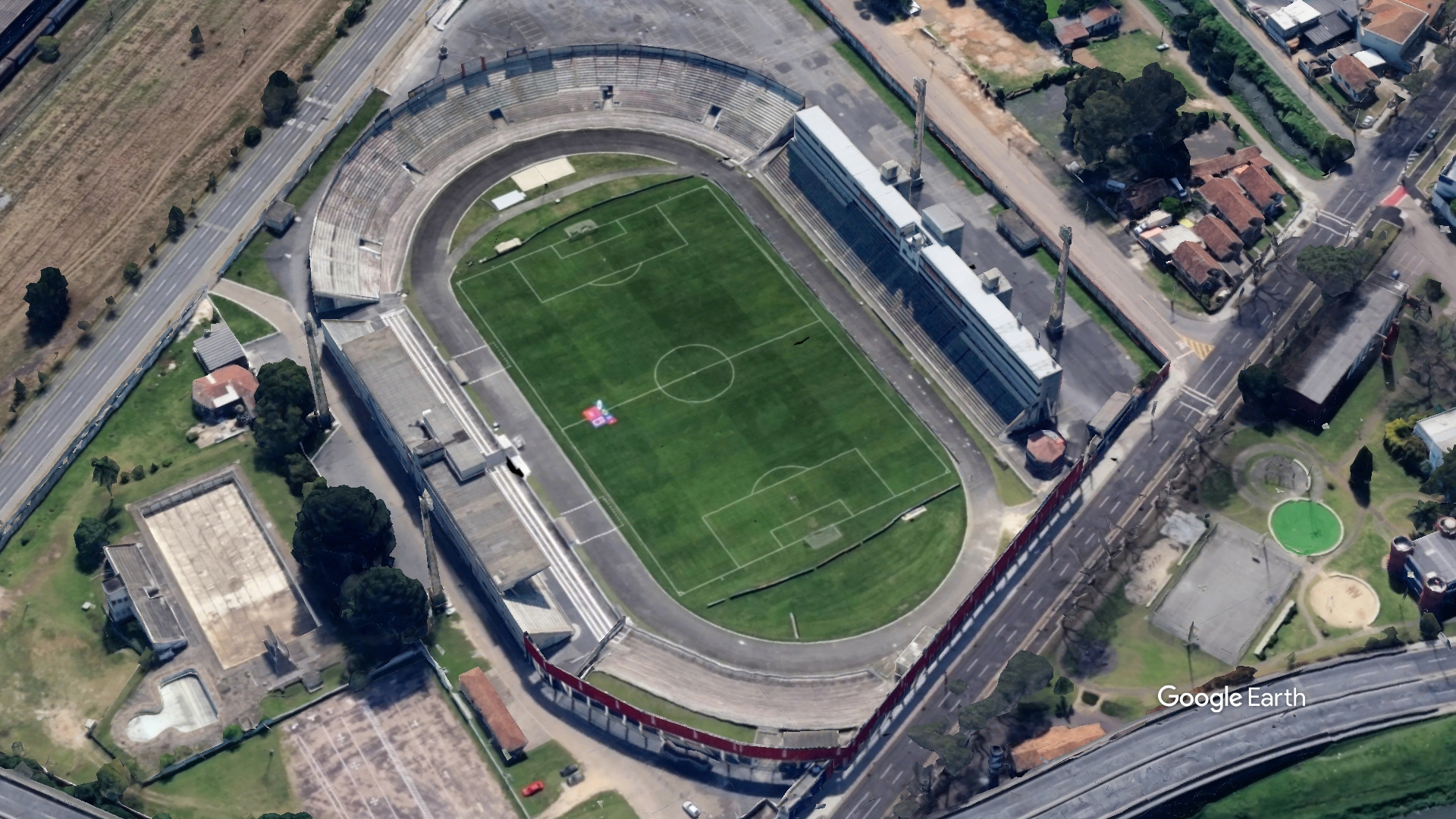
Estádio Vila Capanema, officially known as Estádio Durival Britto e Silva, is a historic football stadium located in Curitiba, Brazil, that was utilized during the 1950 FIFA World Cup. Operating with a modest capacity of roughly 10,000 spectators at the time, it hosted 2 group games.
Following its time on the global stage, the stadium served as the home ground for Clube Atlético Ferroviário until the club ceased operations in 1971. In 1989, it found new life as the official home of Paraná Clube.
Arosvallen (Västerås) – 1954 Sweden
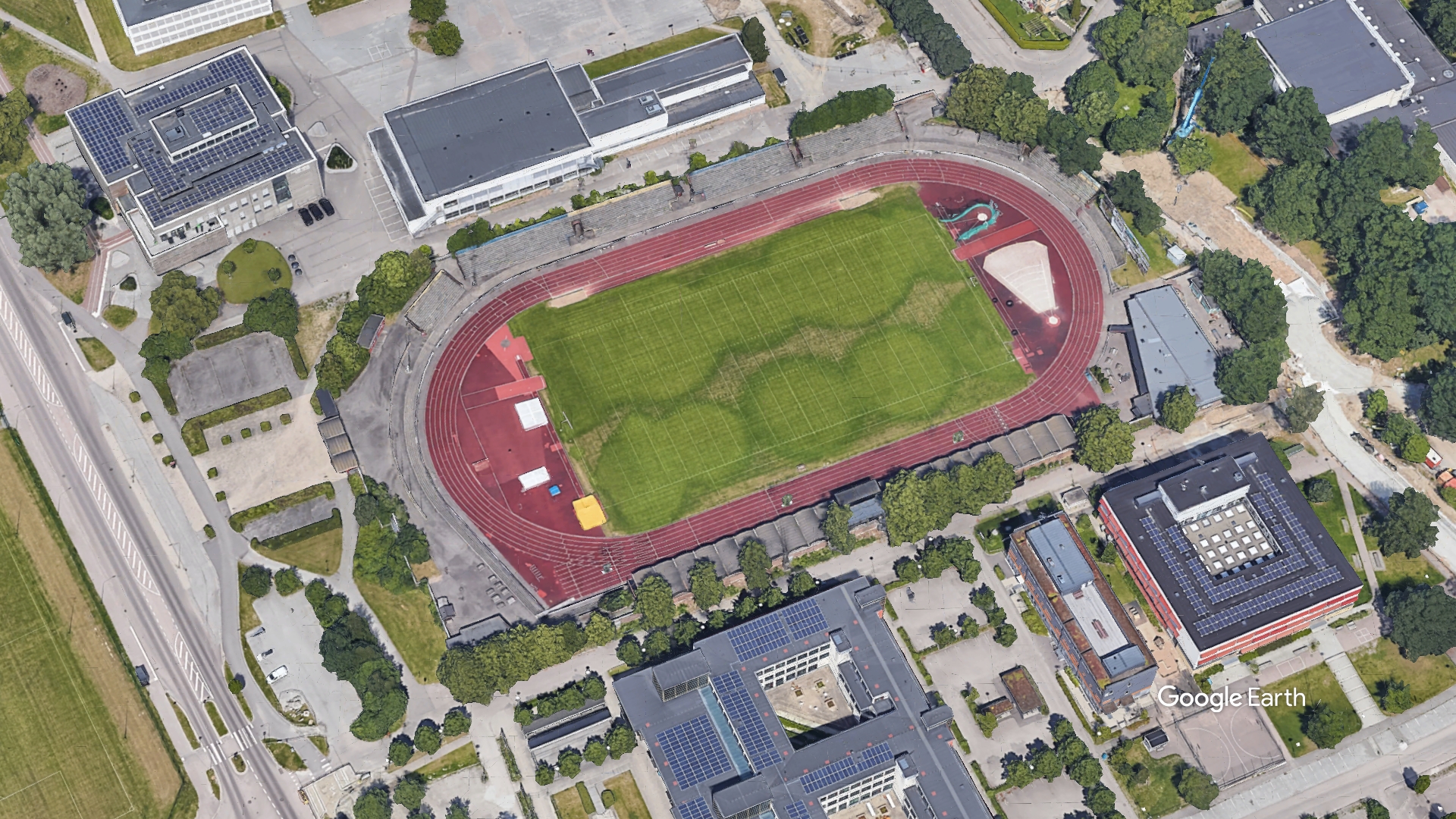
Arosvallen, located in Västerås, Sweden, officially opened in 1931 and operated with a modest capacity of roughly 10,000 spectators. During the 1958 FIFA World Cup, the stadium was utilized for two Group 2 matches.
Decades later, the historic ground returned to the global stage when it hosted six matches during the 1995 FIFA Women’s World Cup. For many years, Arosvallen served as the primary home for the local football club Västerås SK. However, after the team relocated to a newly built arena in 2008, the stadium and its surrounding athletic track were transitioned primarily for use in track events and American football.
Eyravallen (Örebro) – 1954 Sweden
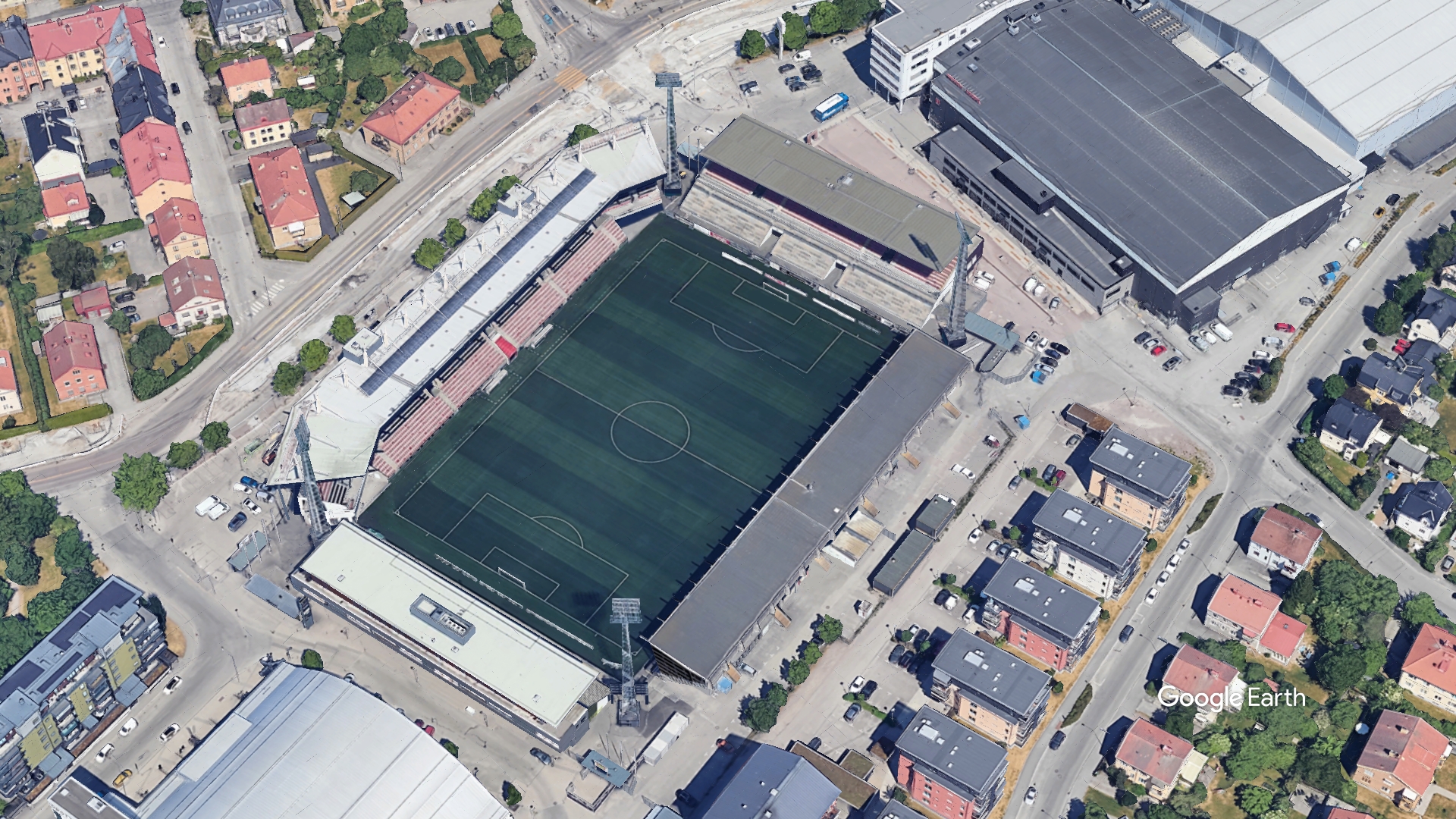
Eyravallen, located in Örebro, Sweden, was officially opened in 1923 and utilized as a minor municipal venue during the 1958 FIFA World Cup. Operating with a capacity of approximately 13,000 spectators, the stadium hosted a single Group match during the tournament.
Today, the stadium is serving as the home ground for the local football clubs of Örebro.
Ryavallen (Borås) – 1954 Sweden
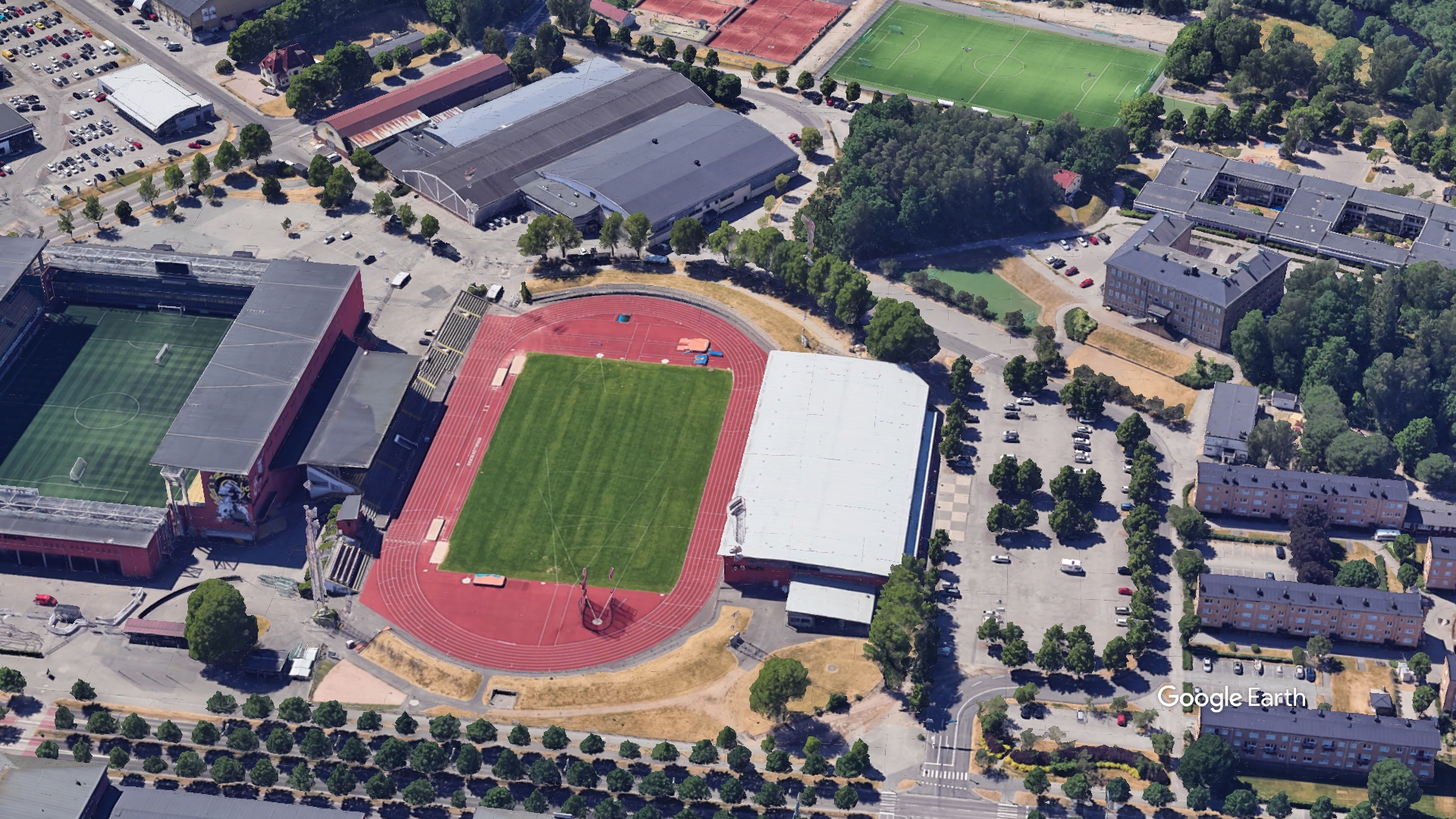
Ryavallen, located in Borås, Sweden, is a multi-purpose stadium that officially opened in August 1941. Operating with a capacity of approximately 15,000 spectators during the 1958 FIFA World Cup, the stadium was selected to host two Group 4 matches.
Following the World Cup, Ryavallen continued to serve as the long-time home ground for the local football club IF Elfsborg until they moved to the newly built Borås Arena in 2005, which is physically attached to Ryavallen. Today, the remaining ground operates with a capacity of around 12,000 and is primarily used for track and field events.
Örjans Vall (Halmstad) – 1954 Sweden
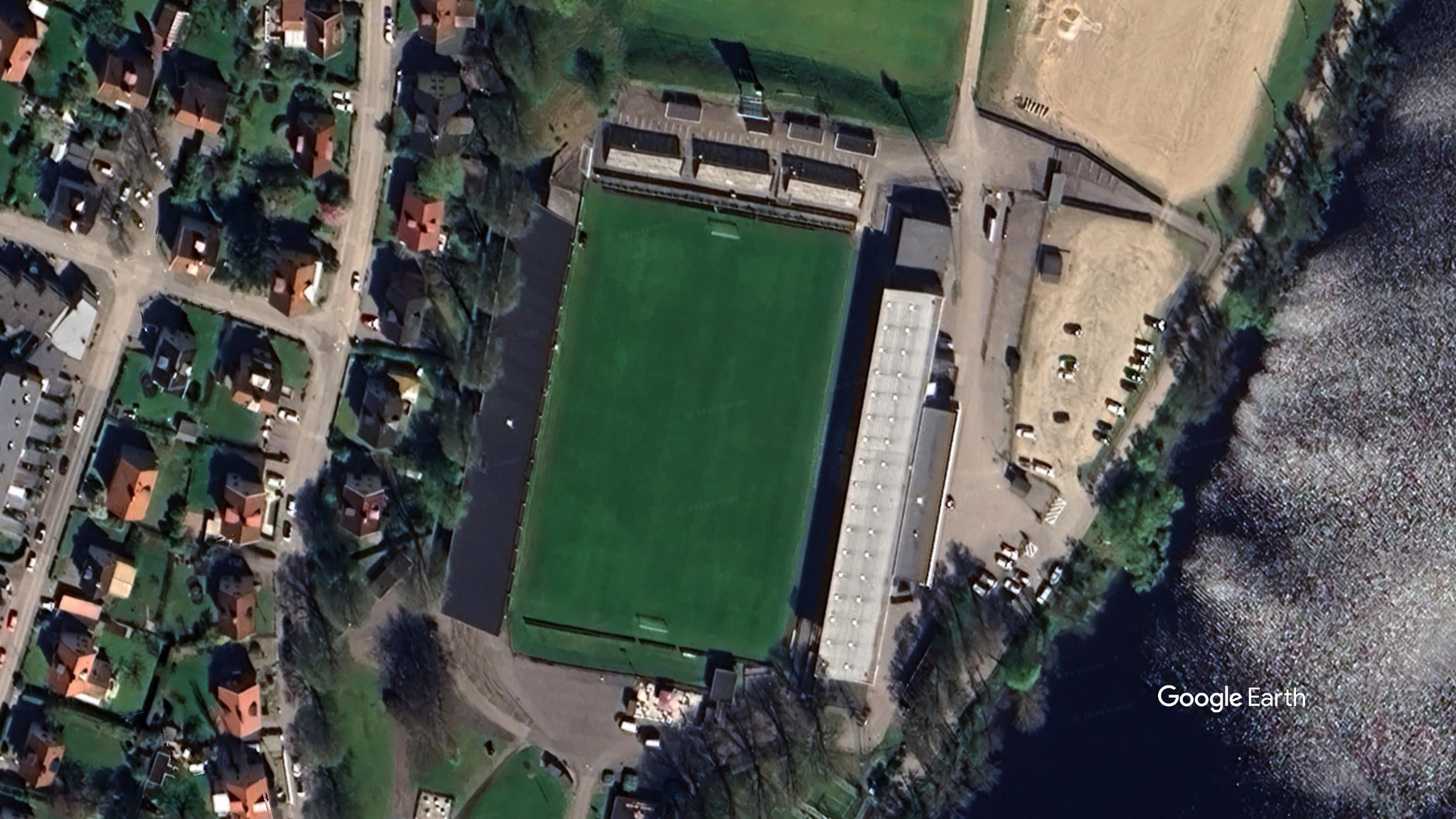
Örjans Vall, located in Halmstad, Sweden, was originally inaugurated in 1922. Operating with a capacity of roughly 15,000 during the 1958 FIFA World Cup, the stadium hosted three group matches.
Following its time on the World Cup stage, Örjans Vall has served continuously as the home ground for the local club Halmstads. Rather than falling into disrepair, the stadium underwent significant renovations in 1972 and again in 2017 to modernize its facilities.
Rimnersvallen (Uddevalla) – 1954 Sweden
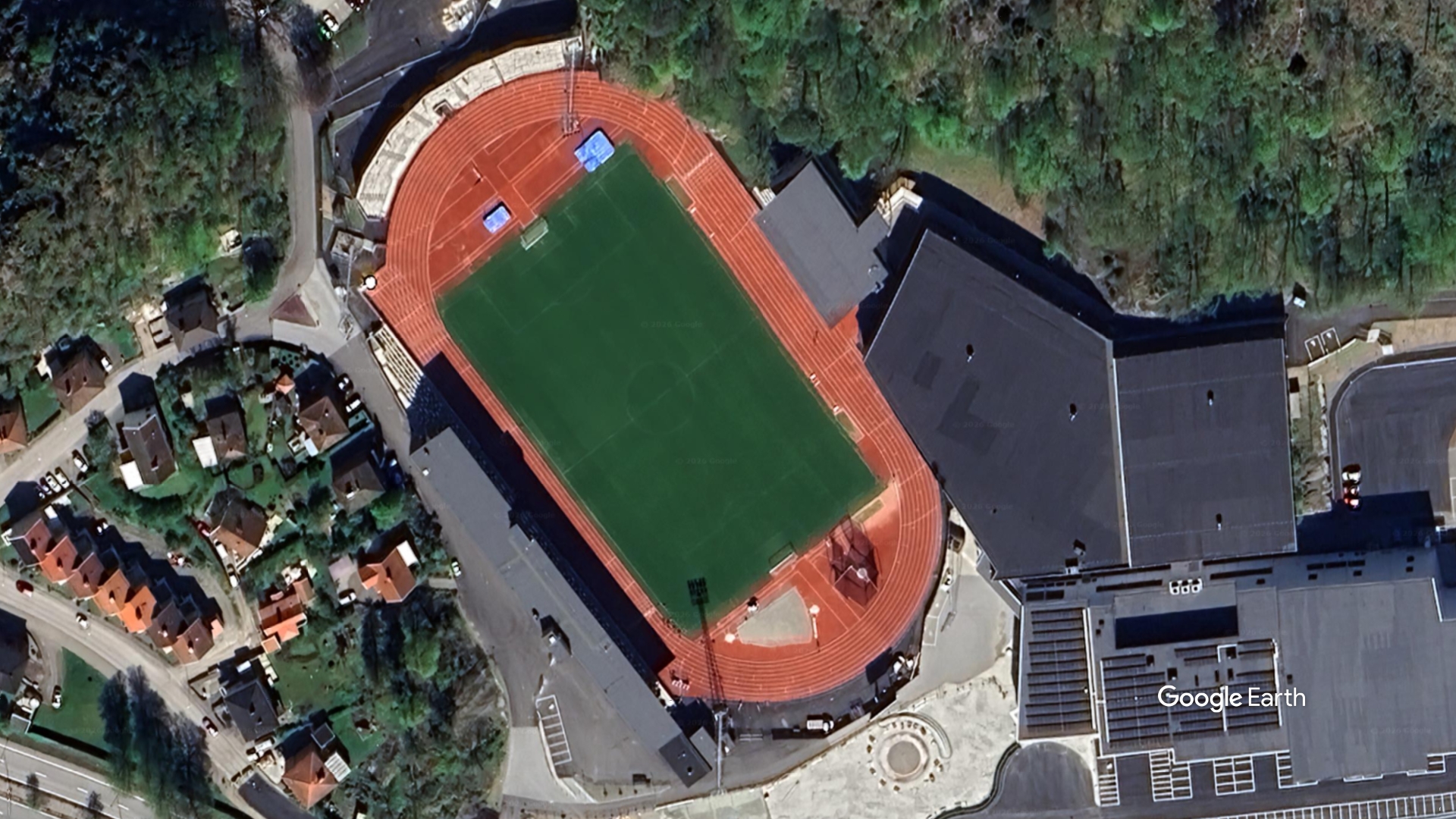
Rimnersvallen, located in Uddevalla, Sweden opened in 1923, and was specifically rebuilt for the 1958 FIFA World Cup. Operating with a capacity of 18,000 during the tournament, the stadium hosted only one group game.
Rimnersvallen remains an active multi-use stadium today. It continues to serve as the home ground for the local football club IK Oddevold.
Estadio Carlos Dittborn (Arica) – 1962 Chile
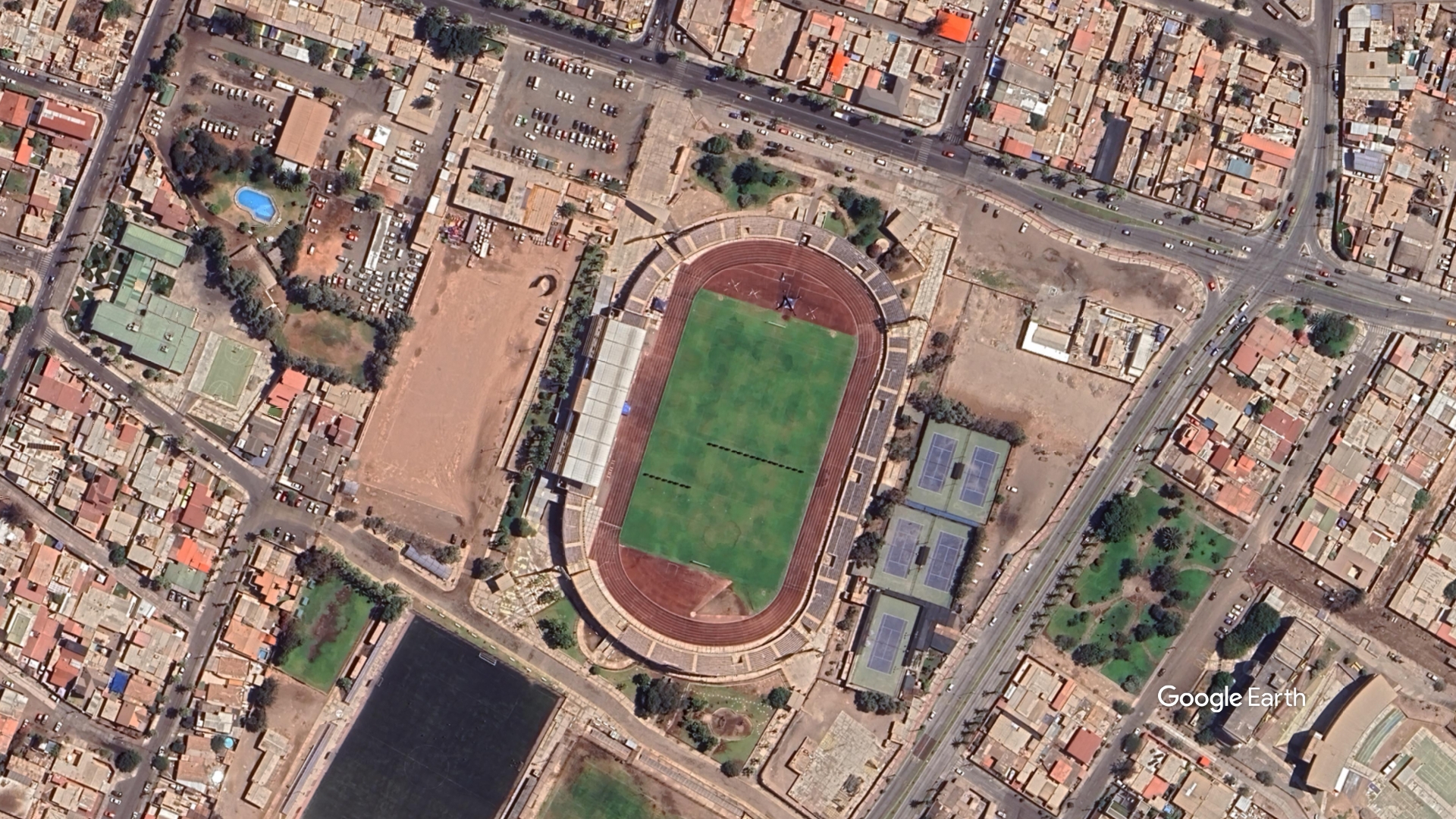
Estadio Carlos Dittborn, located in the city of Arica, Chile, was inaugurated on April 15, 1962, just weeks before the start of the 1962 FIFA World Cup. Operating with a capacity of 18,000 spectators during the tournament, it hosted seven matches.
The stadium continues to serve as the home stadium for the local professional club, San Marcos de Arica.
Estadio Braden Copper Co. – 1962 Chile
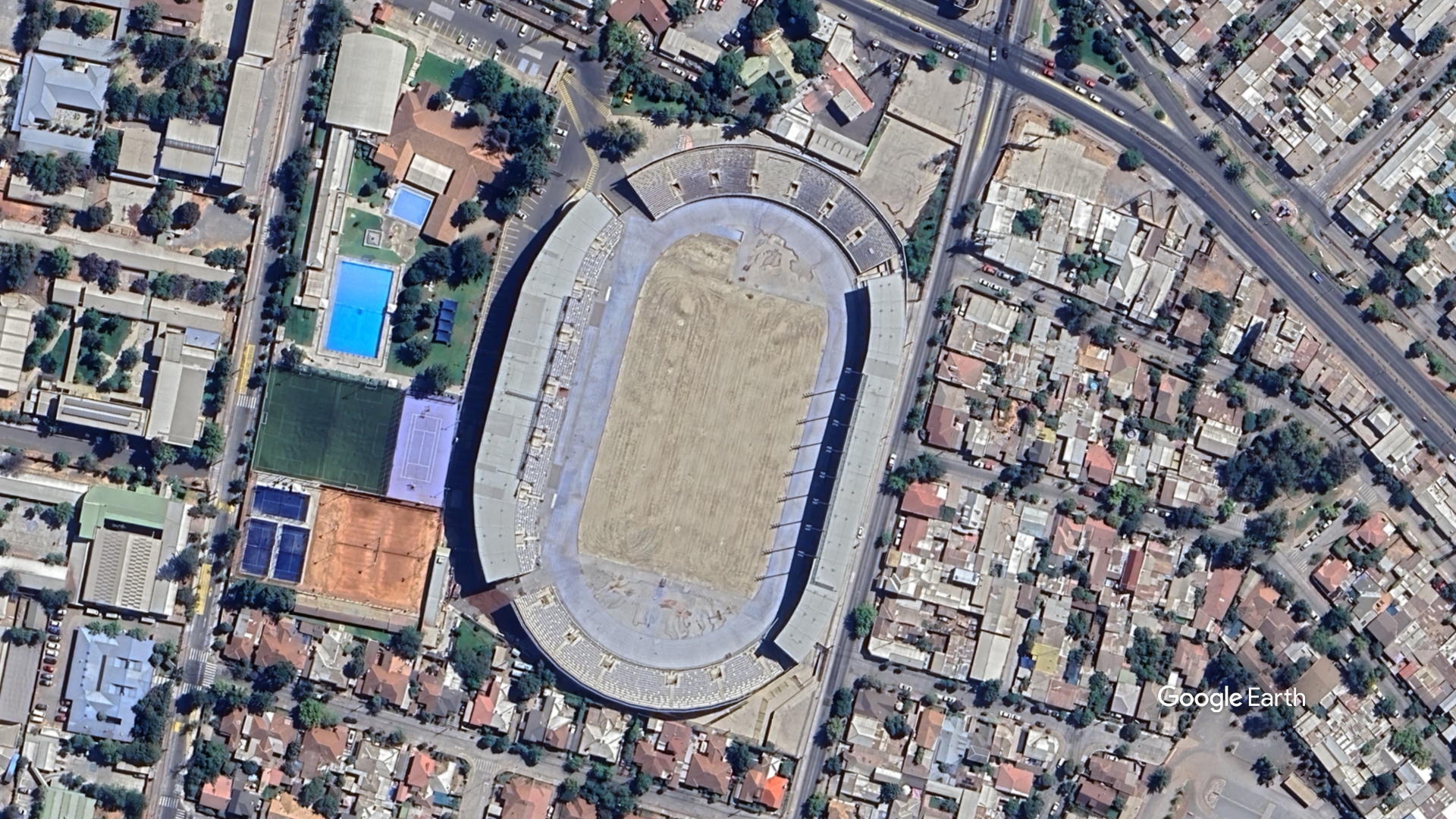
Estadio Braden Copper Co., located in Rancagua, Chile, is one of the most unique and historically fascinating venues in FIFA World Cup history. Constructed in 1945 by the American-owned Braden Copper Company, it was originally built as a modest sports field with wooden stands designed to serve the recreational needs of the local mining workforce. Operating with an expanded capacity of around 18,000 during the 1962 FIFA World Cup, the stadium was never initially intended to host the global tournament. Instead, it was drafted as an emergency replacement venue after the catastrophic 1960 Valdivia earthquake severely damaged several of the originally planned host cities. The stadium successfully hosted all Group 4 matches and a quarter-final fixture.
Following the nationalization of the copper mine by the Chilean state, the facility was officially renamed Estadio El Teniente in 1971. Today, it remains an active, modernized venue serving as the home ground for the local professional football club, CD O’Higgins.
Estadio Sausalito (Viña del Mar) – 1962 Chile
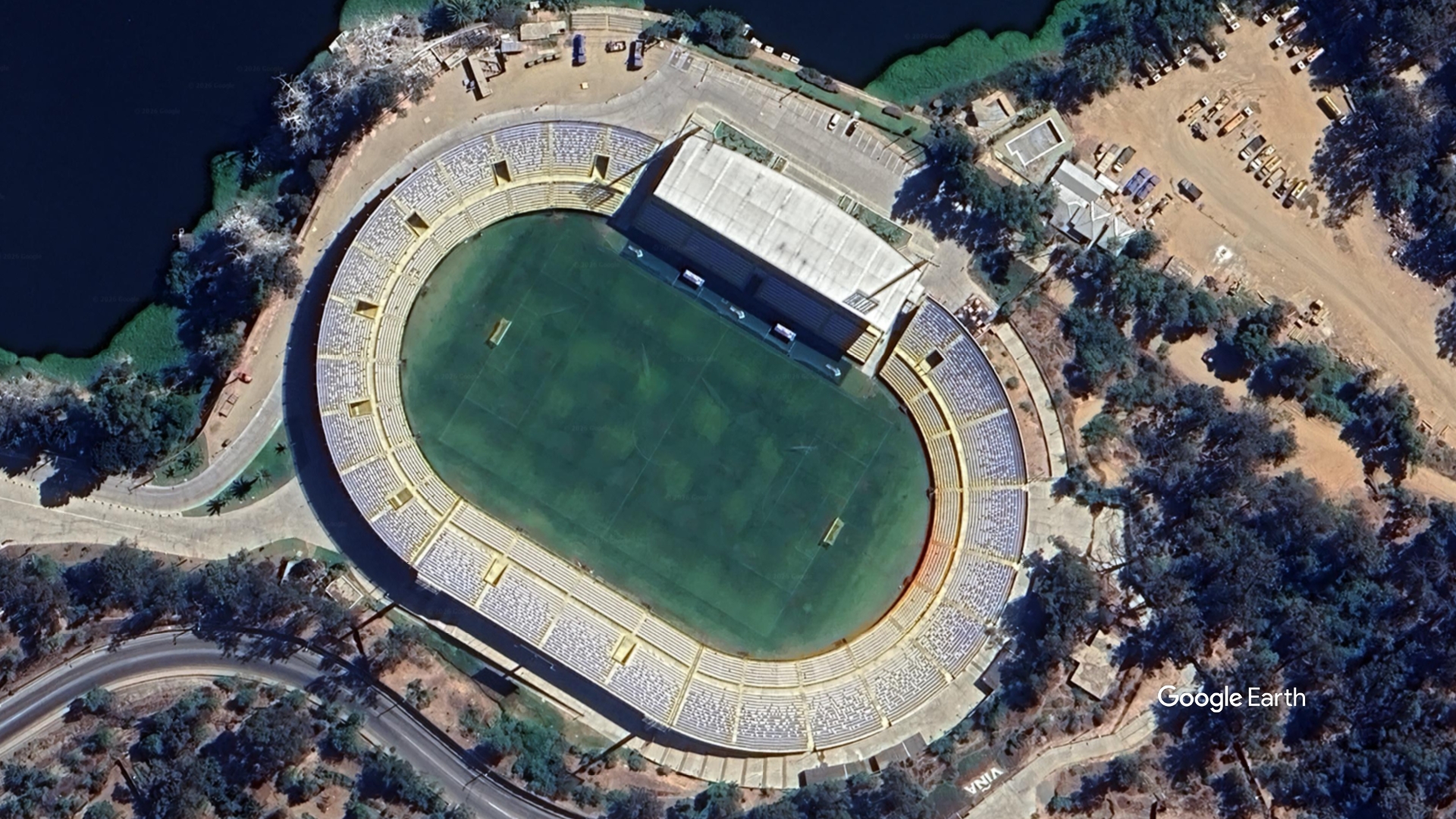
Estadio Sausalito is a multi-purpose stadium in the coastal city of Viña del Mar, Chile, originally opened in 1929. Operating with an official capacity of 18,000 during the 1962 FIFA World Cup, it served as a crucial venue for the tournament, hosting eight matches, including a semi-final.
Following its 1962 World Cup exposure, Estadio Sausalito remained the active home ground for the local professional club, Everton de Viña del Mar.