The 2026 FIFA World Cup marks a historic expansion of global soccer, growing to 48 teams and 104 matches. Hosted jointly by the United States, Canada, and Mexico, the tournament places the United States at the center, with 78 matches including all games from the quarterfinals onward.
To meet these unprecedented demands, FIFA initiated a massive bidding process involving 32 cities across the USA. Yet despite the scale of this effort, only 11 U.S. cities were ultimately selected.
Dozens of the most technologically advanced and historically significant stadiums in the U.S. were either outright rejected by FIFA or voluntarily withdrew from contention.
The Geometrics of Gridiron: Architectural Incompatibility
One primary catalyst for the rejection of premier U.S. venues was the fundamental architectural divide between American gridiron football and international association football. Although NFL stadiums easily satisfy FIFA’s minimum capacity thresholds, their playing surfaces are inherently restricted. A standard NFL field measures exactly 48.8 meters in width, falling significantly short of FIFA’s 68-meter mandate.
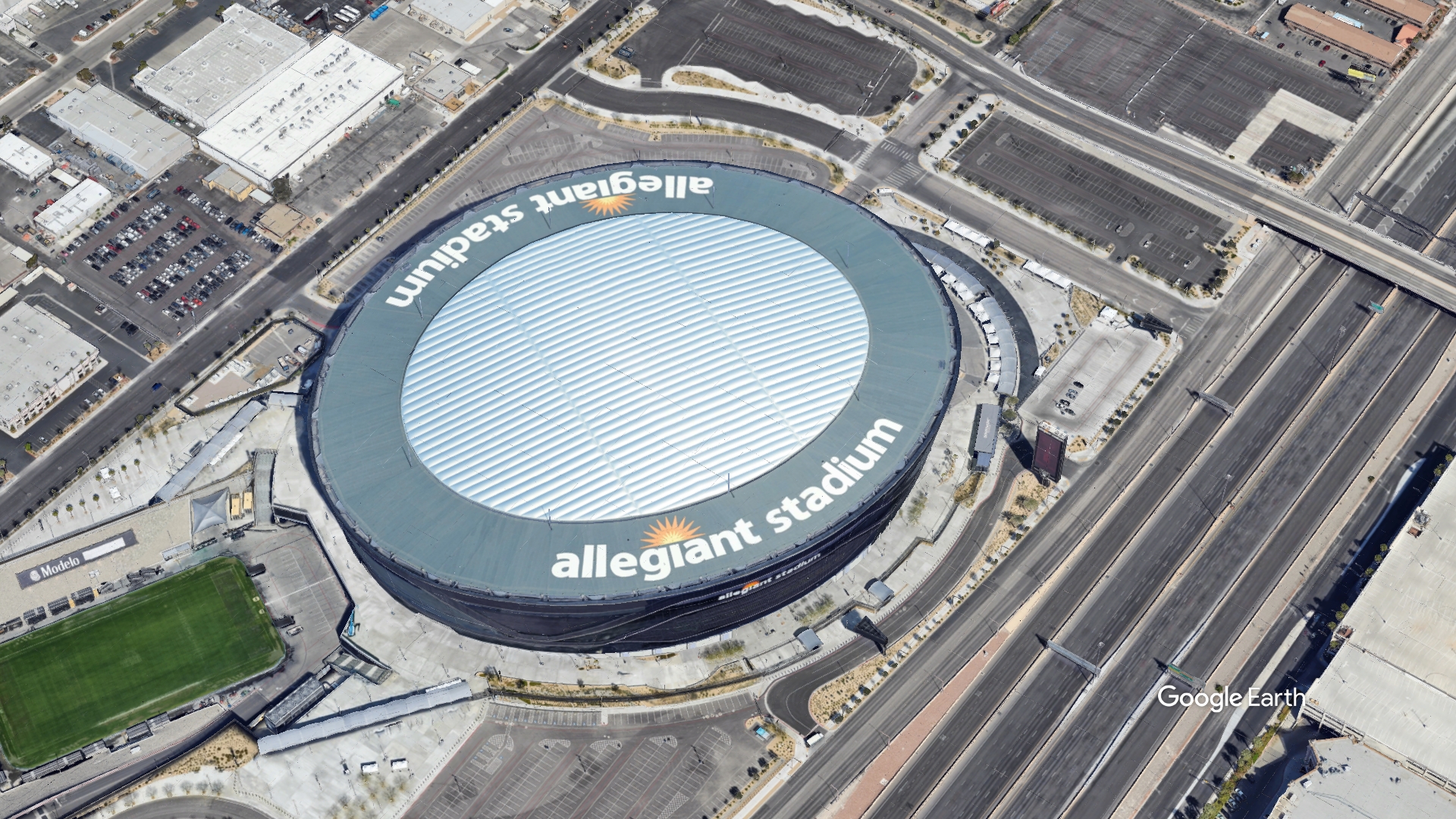
The exclusion of Las Vegas is a perfect example. Despite boasting the $2 billion, state-of-the-art Allegiant Stadium, its innovative retractable grass tray was engineered strictly to NFL dimensions and is too narrow for FIFA competition. Expanding the pitch would have necessitated the destruction of highly lucrative VIP suites and forced a nine-month operational shutdown. For a venue generating continuous revenue through major concerts and sporting events, sacrificing nearly a year of operations to host a handful of matches proved financially unviable.
Cities like Indianapolis and Charlotte faced similar issues. Their stadiums required structural alterations, such as removing seating sections, to meet FIFA’s field dimensions. These changes came with multimillion-dollar costs and uncertain returns. Local officials ultimately judged these investments too risky, especially without guarantees of economic benefit, leading to their elimination.
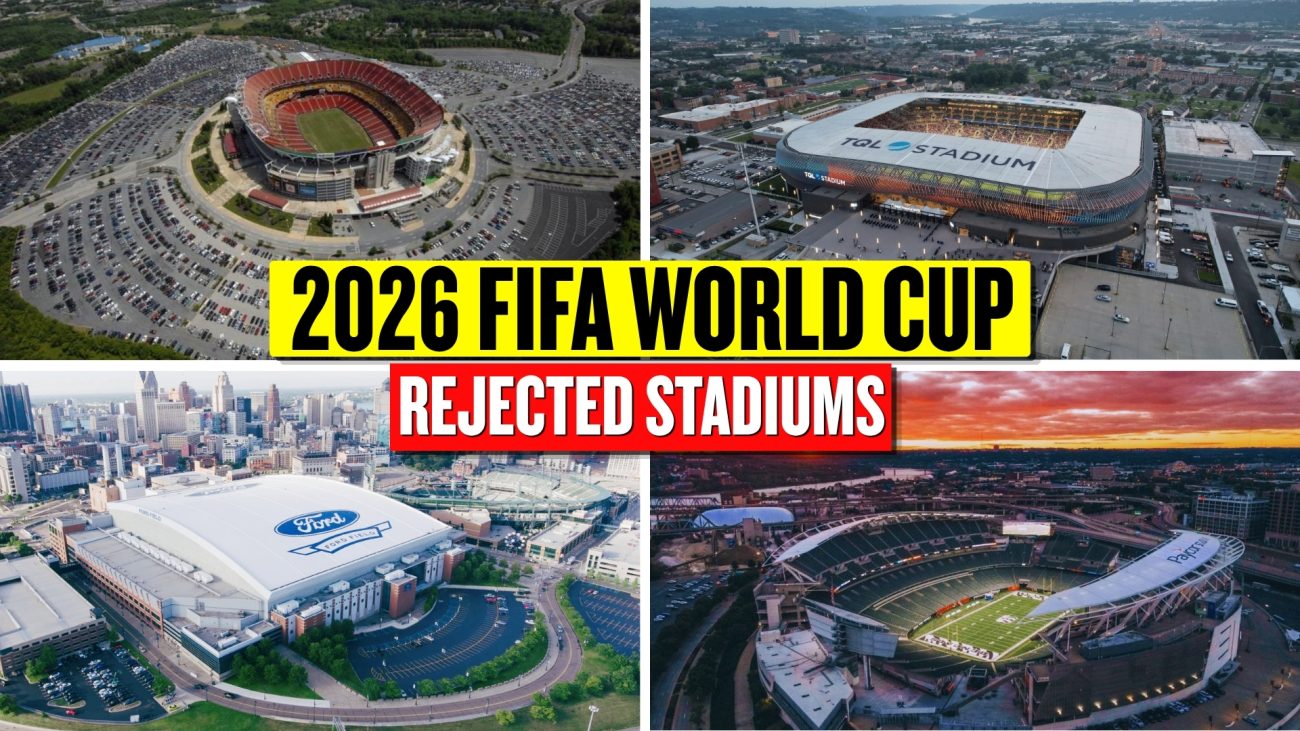
Because Cincinnati’s elite soccer-specific venue, TQL Stadium, fell short of the 40,000-seat minimum, the city relied on the NFL’s Paycor Stadium. However, the gridiron field was too narrow and retrofitting the stadium to meet FIFA width standards was too costly.
Detroit offered immense strategic value with an indoor stadium situated directly on the international border. However, Ford Field was eliminated in the early stages primarily due to its enclosed, fixed-roof design and artificial surface, which conflicted with FIFA’s strict preference for open-air venues or retractable roofs to maintain natural grass.
Furthermore, legacy venues with fixed, circular concrete footprints, such as the Alamodome in San Antonio, Caesars Superdome in New Orleans and Salt Lake City’s Rice-Eccles Stadium, were eliminated early because their structures could not accommodate a wider pitch without major renovation.
Financial and Legal Conflicts: Cities Push Back
Beyond building problems, many major U.S. cities were excluded because they refused to agree to FIFA’s strict financial and legal demands. In the past, FIFA could ask host cities for massive tax breaks and financial guarantees, but this time, several American cities pushed back.
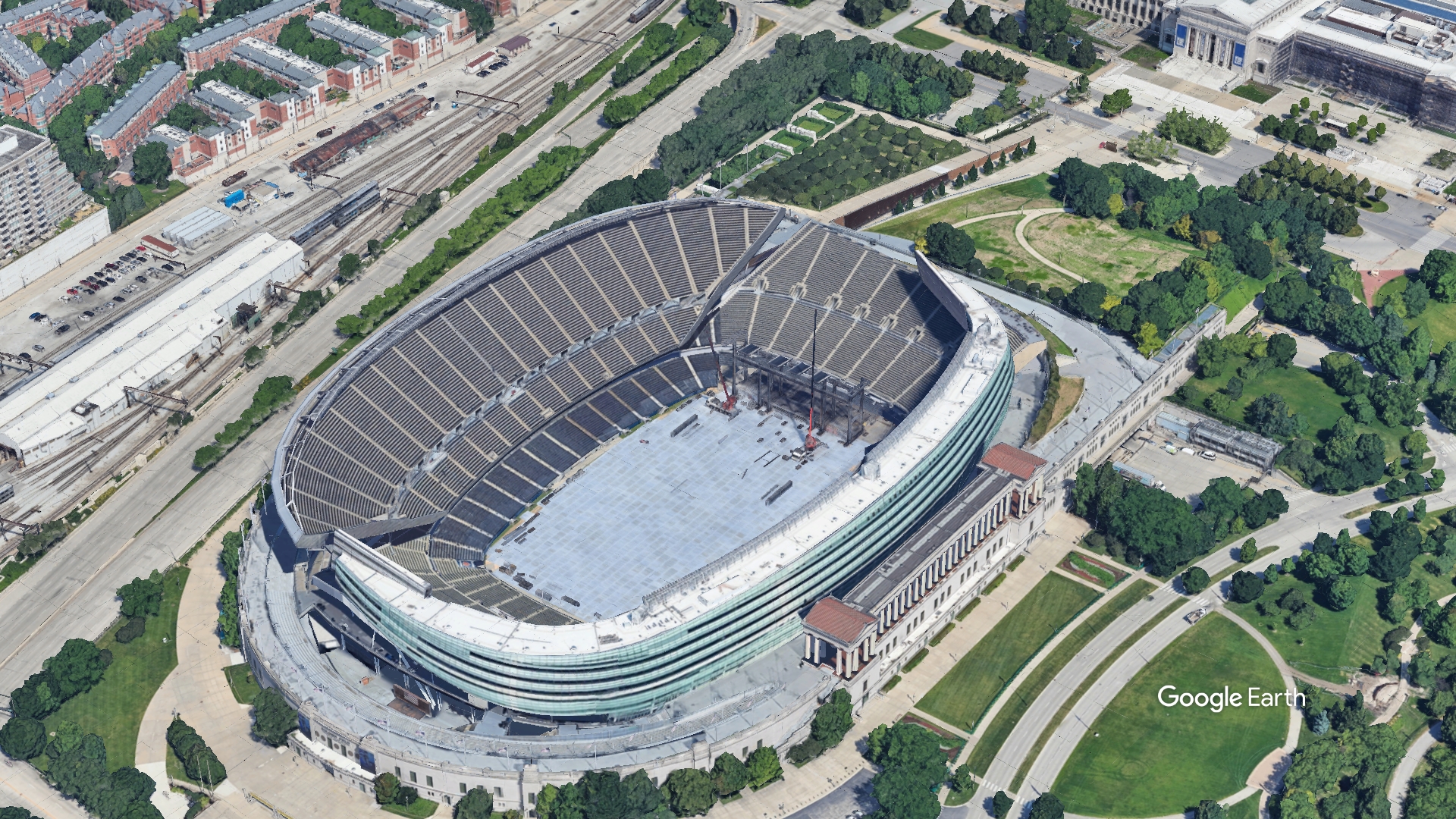
Chicago and Minneapolis quit because FIFA demanded a “blank check”—meaning local taxpayers would have to pay for any extra costs or legal problems, while FIFA kept most of the profits. FIFA also wanted the city contracts to follow Swiss law instead of U.S. law, which local governments refused to accept.
FIFA also demands total control over a city’s event schedule. Host cities are not allowed to hold other major sporting events or concerts in the weeks surrounding the World Cup. For entertainment capitals like Las Vegas and Glendale, giving up control of their highly profitable event calendars to satisfy FIFA was a bad business deal.
Infrastructure Decay and the Disenfranchisement of the Capital
Infrastructure quality also played a decisive role. Washington D.C., a historically significant soccer city, was excluded largely due to the poor condition of its primary stadium.
FedEx Field received low evaluations due to aging facilities and operational issues. A late attempt to partner with Baltimore failed, as FIFA preferred centralized hosting arrangements. They planned to play the games in Baltimore’s nicer stadium and host giant fan parties in D.C., but FIFA rejected this idea.
Denver’s Empower Field faced a similar fate. While possessing a highly competitive 76,000-seat capacity stadium, Denver struggled to secure sufficient local funding. Additionally, FIFA evaluators expressed severe concerns regarding the distance of the primary airport from the city center and the capacity of the regional public transit system to efficiently manage an influx of hundreds of thousands of fans.
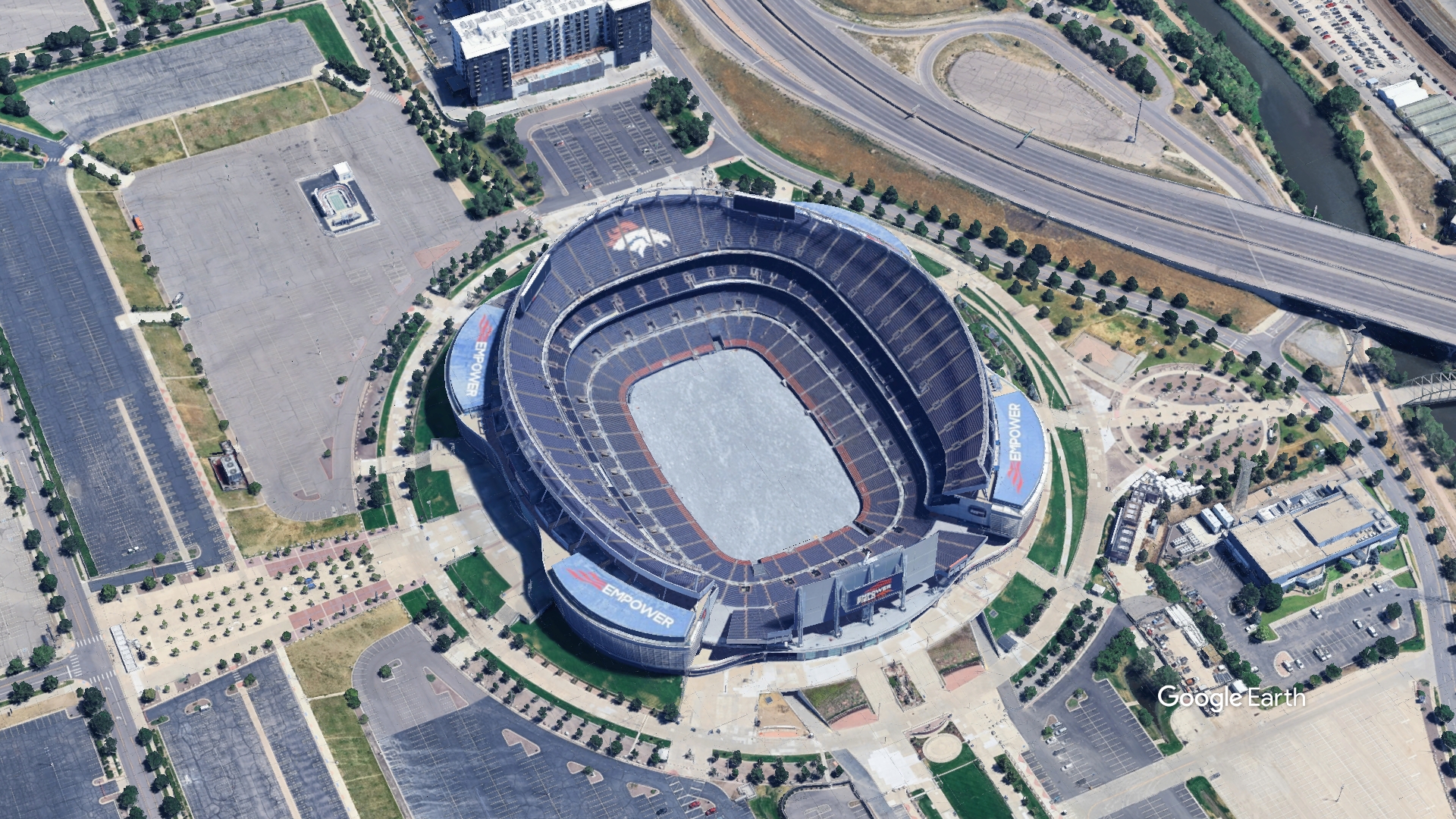
Cleveland’s FirstEnergy Stadium and Birmingham, Alabama’s Legion Field were eliminated in the very first round of cuts as the bid committee chose to focus on higher-profile markets with newer stadium infrastructure.
Timing Problems: When the Future Isn’t Ready
Some cities were excluded because their infrastructure plans were incomplete.
Nashville, for instance, proposed hosting matches in a new stadium that had not yet been built. However, the projected construction timeline left less than two months of buffer before the 2026 kickoff.
At the same time, the existing Nissan Stadium was considered outdated leaving Nashville out of the World Cup.
Geographic Strategy: Regional Clustering
FIFA meticulously curated the host cities into specific geographic clusters—East, Central, and West—to streamline team travel and broadcast logistics. This approach led to intense competition within regions and the exclusion of otherwise qualified cities.
Orlando had strong infrastructure and experience at hosting major events. However, its location in a region already served by Miami and Atlanta made it redundant.
Raymond James Stadium at Tampa, Florida faced the same geographical hurdles as Orlando, falling victim to the saturation of the Southeastern market.
Jacksonville also struggled to compete against the sheer volume of hyper-modern facilities in the highly competitive and heavily saturated Southeastern region.
Finally, Pittsburgh was eliminated in the first wave of cuts. Acrisure Stadium could not overcome the intense logistical and infrastructural competition from massive East Coast transit hubs like Philadelphia and New York/New Jersey.
Conclusion
The 11 U.S. cities chosen for the 2026 FIFA World Cup have incredible, modern stadiums. But the long list of cities left behind tells an important story about what it really takes to host a massive global event today.