
Newcastle United Stadium Plans: Expand St James’ Park or Build a New Stadium?
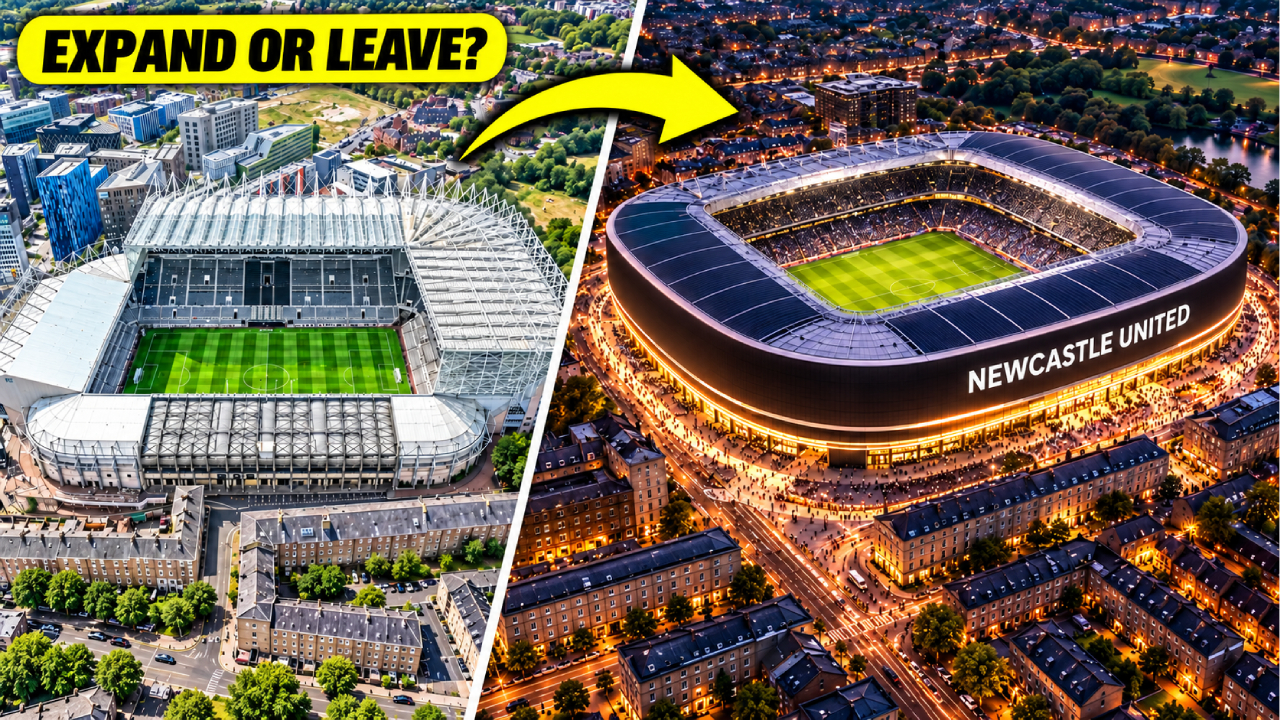
Newcastle United faces one of the biggest infrastructure decisions in its modern history: should the club expand and modernise St James’ Park, or build a completely new stadium near its historic home?
The debate has grown as the Magpies seek to increase matchday revenue, accommodate more supporters and establish themselves among the leading clubs in English football. Two main options have emerged from media reports: a major redevelopment of St James’ Park costing around £500 million, or a new stadium with approximately 65,000 seats and a reported price tag of up to £1.5 billion. These figures remain estimates, not approved construction budgets.
A new stadium could give Newcastle United greater commercial opportunities and a modern matchday experience. However, expanding St James’ Park would preserve one of English football’s most distinctive grounds and cost considerably less.
As of October 2026, no final decision has been publicly announced. The club is still weighing the financial, practical and heritage considerations behind both options. Here is what we know about the Newcastle United stadium plans and the challenges that could determine the future of St James’ Park.
Why Does Newcastle United Need a Bigger Stadium?
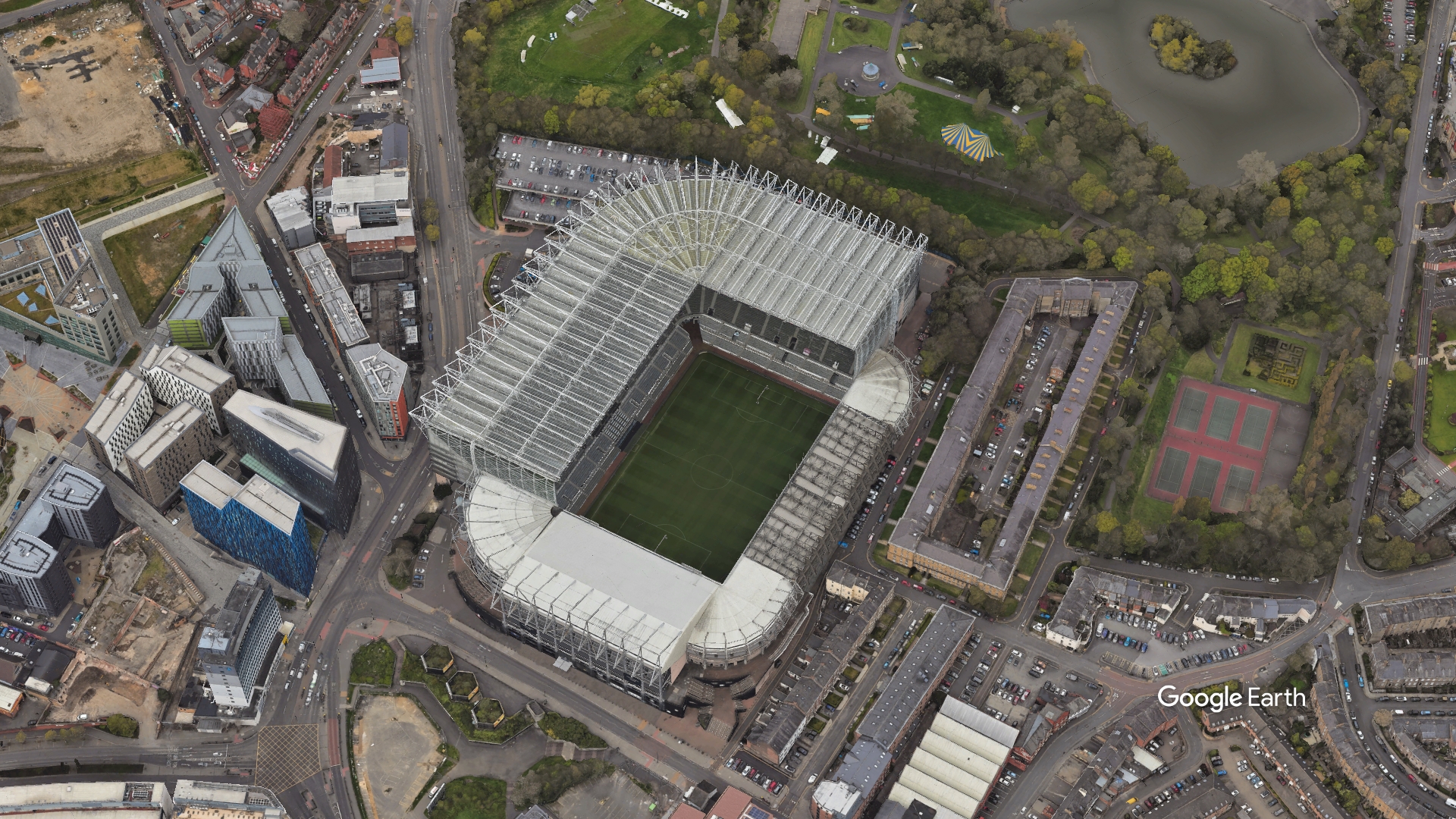
St James’ Park is one of the most recognisable stadiums in England. Located in the heart of Newcastle upon Tyne, it has been the club’s home since 1892 and is famous for its imposing stands, city-centre location and atmosphere on matchdays.
However, its current capacity limits the number of supporters who can attend games. Newcastle United confirmed in August 2026 that improvements had increased the ground’s capacity to 52,719 seats, including approximately 500 additional places and new safe-standing provision.
That increase is useful, but it does not solve the long-term capacity question.
The demand for tickets is particularly revealing. In June 2026, the club announced that almost 50,000 supporters had signed up for its new season-ticket waiting list. The figure highlights the scale of interest in attending matches at St James’ Park and the gap between demand and the available supply of season tickets.
A larger stadium could allow Newcastle to welcome more supporters, sell additional hospitality packages and increase revenue on matchdays. Those extra earnings could help fund the club’s broader ambitions, including investment in its playing squad and facilities.
The challenge is finding a way to increase capacity without losing the qualities that make St James’ Park special.
Option One: Expand and Modernise St James’ Park
The first option is to redevelop the existing stadium rather than move Newcastle United into a new home.
Recent media reports have placed the potential cost of a major expansion at approximately £500 million, with capacity increasing to around 60,000. The precise design, final budget and achievable seating capacity have not been confirmed by the club.
The main advantage is clear: Newcastle could retain its historic ground while increasing the number of supporters able to attend games.
St James’ Park occupies a central position in the city. It is within walking distance of Newcastle’s main shopping areas, restaurants, pubs and transport connections. Its elevated location also gives it a striking presence across the city skyline.
Keeping the stadium would preserve that identity and avoid the emotional disruption associated with leaving a famous home. It would also mean the club would not have to establish an entirely new matchday destination for supporters.
A redevelopment could go beyond adding seats. Modern hospitality areas, improved concourses, better facilities and upgraded commercial spaces could help increase revenue and improve the experience for supporters.
Newcastle has already invested in improvements to the existing stadium. In August 2026, it announced a £10 million hospitality transformation, a new pitch structure costing £3.6 million, updated lighting and other infrastructure improvements. These projects improve the current venue, although they are not the same as a major expansion.
Why Is Expanding St James’ Park So Difficult?
The main challenge is space.
St James’ Park is surrounded by existing buildings, streets and other urban infrastructure. There is limited room to extend the stadium without affecting its surroundings, particularly around the East Stand.
In May 2026, Newcastle United confirmed that it had purchased a substantial majority of the historic Leazes Terrace building next to the stadium. The acquisition includes the building’s northern, southern and western elevations, along with most of its eastern elevation. The club said the purchase would give it greater flexibility while it continued to assess options for the future of its home.
However, the purchase does not automatically make expansion straightforward. Leazes Terrace is Grade I listed, and the club has stated that it is committed to preserving the building. There are also physical constraints, including the narrow road between the terrace and the stadium. BBC coverage following the acquisition noted that the East Stand would remain difficult to expand.
That means even a £500 million redevelopment could require complex engineering, planning discussions and careful construction sequencing.
The club would also need to consider how much work could take place while continuing to host football matches. Major construction around an operating stadium can create logistical difficulties, potentially affecting access, facilities and the matchday experience.
Option Two: Build a New Newcastle United Stadium
The alternative is to construct a new stadium near St James’ Park, with Leazes Park featuring prominently in earlier reported concepts.
A new venue would allow Newcastle United to design a stadium around modern requirements from the beginning. Instead of adapting existing stands and working around surrounding buildings, the club could plan seating, hospitality, accessibility, circulation and commercial facilities as part of a single project.
Media reports in October 2026 described a potential new stadium with approximately 65,000 seats, at an estimated cost of around £1.5 billion. Earlier reports had discussed larger capacities, but the club has not published a final design or confirmed a construction budget.
The additional capacity compared with the current ground would be significant, although the difference between the reported 60,000-seat redevelopment and 65,000-seat new-build option is not enormous in isolation.
The argument for a new stadium therefore goes beyond the extra seats.
A purpose-built venue could offer more premium hospitality, larger commercial spaces and facilities designed for concerts or other events where appropriate. It could also give the club greater flexibility to generate revenue outside matchdays.
In March 2025, The Guardian reported on a concept for a 65,000-seat stadium at Leazes Park, with the potential to keep playing at St James’ Park during construction. The report also described ambitions to expand hospitality and event opportunities. It was a reported concept, not an approved planning application.
If a new stadium could be built while the existing ground remained operational, Newcastle might avoid the disruption of temporarily relocating to another venue. That would be a major practical advantage, although it would depend on the eventual design, construction programme and permissions.
The Financial Risk of a New Stadium
The biggest drawback is the price.
At a reported £1.5 billion, a new stadium would require substantially more investment than the estimated £500 million redevelopment. The club would need to decide how the project should be financed, whether additional investors or lenders would be involved, and how the long-term costs would be supported by future revenue.
A larger, modern stadium could generate more money, but additional revenue would not automatically guarantee a successful financial return. Construction costs, borrowing, maintenance and the time required to deliver the project would all need to be considered.
The club would also need to show that the additional commercial income justified the higher investment compared with expanding St James’ Park.
Leazes Park: The Biggest Planning Challenge
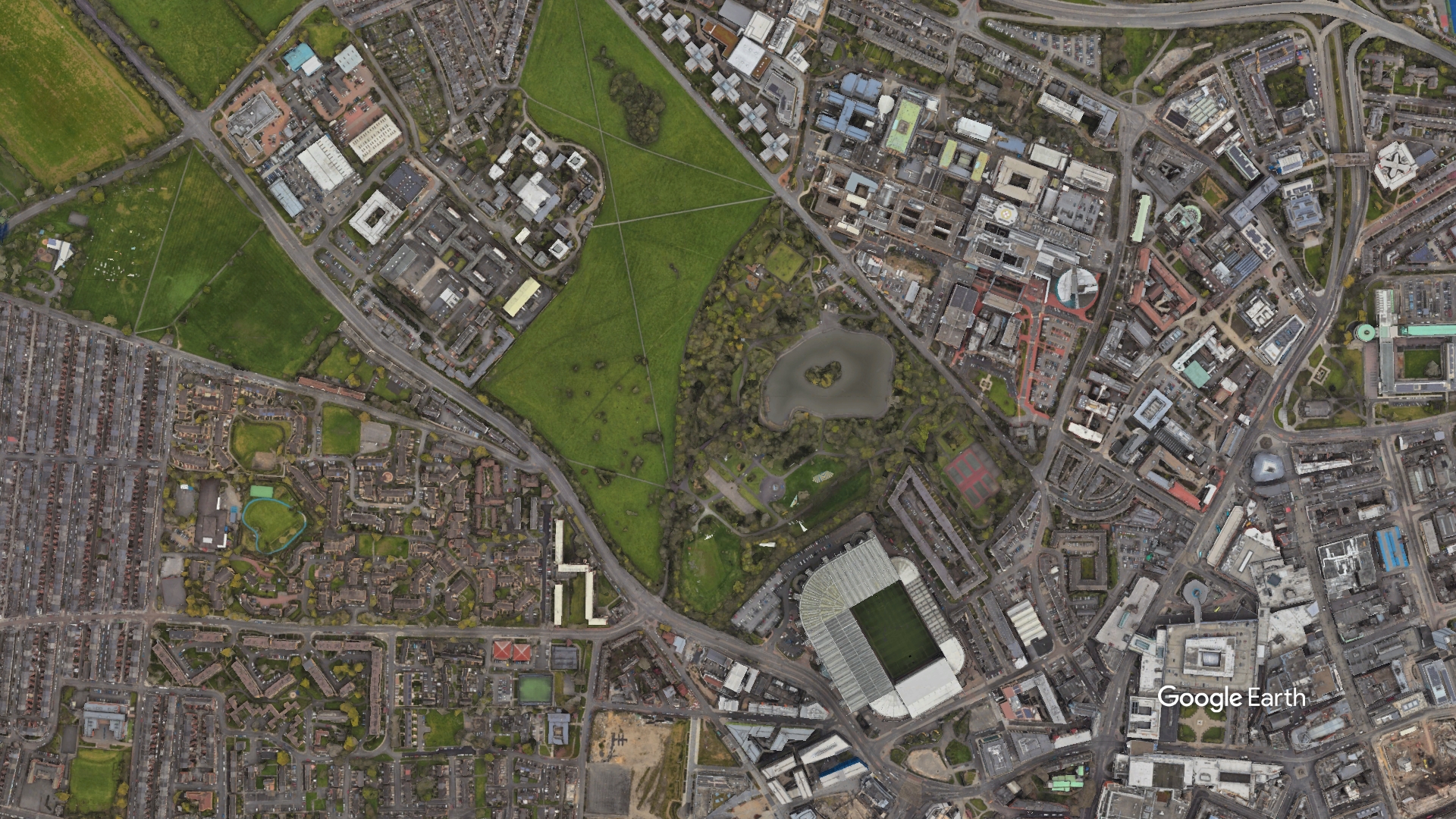
The possibility of building a new stadium near Leazes Park has attracted considerable attention because the park is a protected historic green space.
Leazes Park is recognised as a Registered Park and Garden of national importance. Any proposal that affects a protected historic landscape would therefore require careful consideration of heritage, planning and environmental issues.
A stadium development on or around the park would raise questions about the amount of green space affected, how the site would connect to the surrounding city and what impact the project could have on residents and visitors.
The club would need to secure the relevant permissions and address objections or conditions that might arise during planning. There is no guarantee that a proposed stadium scheme would receive approval.
These issues are important because a new stadium cannot be judged purely on its design or capacity. Its location, environmental impact and relationship with Newcastle’s public spaces could influence whether the project is practical at all.
The wider benefits would also need to be assessed. A stadium-led regeneration plan could potentially support improvements to public spaces, transport links and nearby commercial areas. However, those wider opportunities should not be confused with a guarantee that a particular project will proceed.
What Do Newcastle United Fans Want?
For many supporters, this is not simply a financial decision.
St James’ Park is closely connected with Newcastle United’s history and the identity of the city. Its location, skyline and atmosphere are part of what makes matchdays distinctive. Leaving the ground would represent a major emotional change, even if the replacement was only a short distance away.
Supporters who prefer staying are likely to value the history of the existing stadium and the idea of improving it rather than replacing it. They may also question whether spending around £1.5 billion is justified when a smaller redevelopment could increase capacity at a much lower reported cost.
Others may argue that Newcastle should think beyond the stadium it has today. A modern venue could deliver facilities that are difficult to accommodate within the current footprint and give the club more opportunities to grow revenue over the following decades.
The ticket waiting list strengthens the case for additional capacity, but it does not settle the question of where that capacity should be built. More seats alone cannot determine whether a redevelopment or a new stadium represents better long-term value.
Ultimately, the club will need to weigh supporter sentiment alongside engineering, commercial performance, planning and the financial risks.
How Will Financial Rules Affect the Decision?
Newcastle’s stadium plans must also be considered in the context of football’s financial regulations.
From the 2026–27 season, the Premier League’s new Squad Cost Ratio and Sustainability and Systemic Resilience rules replaced its previous Profitability and Sustainability Rules. The new framework focuses on squad-related spending and clubs’ broader financial resilience.
Stadium investment is different from spending on transfer fees and player wages, but that does not mean a major building project is financially risk-free. The club must still consider the funding required, borrowing costs, future cash flow and whether the completed venue could generate sufficient revenue.
That is why the commercial potential matters so much. Newcastle’s decision is not simply whether it can afford to build a stadium, but whether the expected benefits justify the investment compared with other options.
A more expensive stadium could produce greater long-term income, but only if the project is delivered at a manageable cost and the additional facilities attract enough business.
Euro 2028 and the Stadium Timetable
The timing of the decision is another consideration.
St James’ Park is scheduled to host five matches at UEFA Euro 2028, including four group-stage games and a round-of-16 tie in June 2028. The confirmed schedule makes the stadium’s availability during the tournament an important planning factor.
This does not automatically rule out work beginning before the tournament. However, any major redevelopment would need to be coordinated carefully with the stadium’s use and tournament requirements.
Building a new stadium nearby could offer more flexibility if the existing ground remained operational. On the other hand, a new project would still require planning approval, financing, site preparation and a substantial construction programme.
Neither option is simple, and the timetable will depend on decisions that have yet to be publicly confirmed.
What Happens Next for St James’ Park?
Newcastle United now faces a choice between two very different approaches.
Expanding St James’ Park could cost around £500 million and increase capacity to approximately 60,000, according to recent media estimates. A new stadium could cost around £1.5 billion and provide approximately 65,000 seats, alongside opportunities for modern hospitality and wider commercial use. Neither proposal has been confirmed as the final club plan.
The acquisition of Leazes Terrace gives the club greater control over property next to its existing stadium, but it does not resolve every engineering or planning challenge. A new stadium near Leazes Park would bring its own obstacles, particularly concerning the protected landscape and planning permissions.
As of October 2026, the final decision remains outstanding.
For Newcastle United, the right choice must balance cost, additional revenue, construction risk, supporter opinion and the long-term future of the club. Staying at St James’ Park would preserve a historic home, while building a new stadium could create greater flexibility for the decades ahead.
The question is not simply whether Newcastle should move. It is which option can deliver sustainable growth without sacrificing what makes the club and its home so important to supporters.
Would you prefer Newcastle United to expand St James’ Park or build a new stadium near Leazes Park? Share your view in the comments.