When the United States secured the right to host the 1994 World Cup, many traditionalists saw the decision as a risky experiment due to the country’s lack of an elite professional soccer league.
Instead, the event became the most financially successful World Cup in FIFA history at the time, generating a $50 million surplus and setting attendance records that still stand today. This achievement was made possible by the scale of American sports infrastructure and by utilizing nine enormous pre-existing gridiron football stadiums.
Here are the stadiums that have hosted the 1994 World Cup.
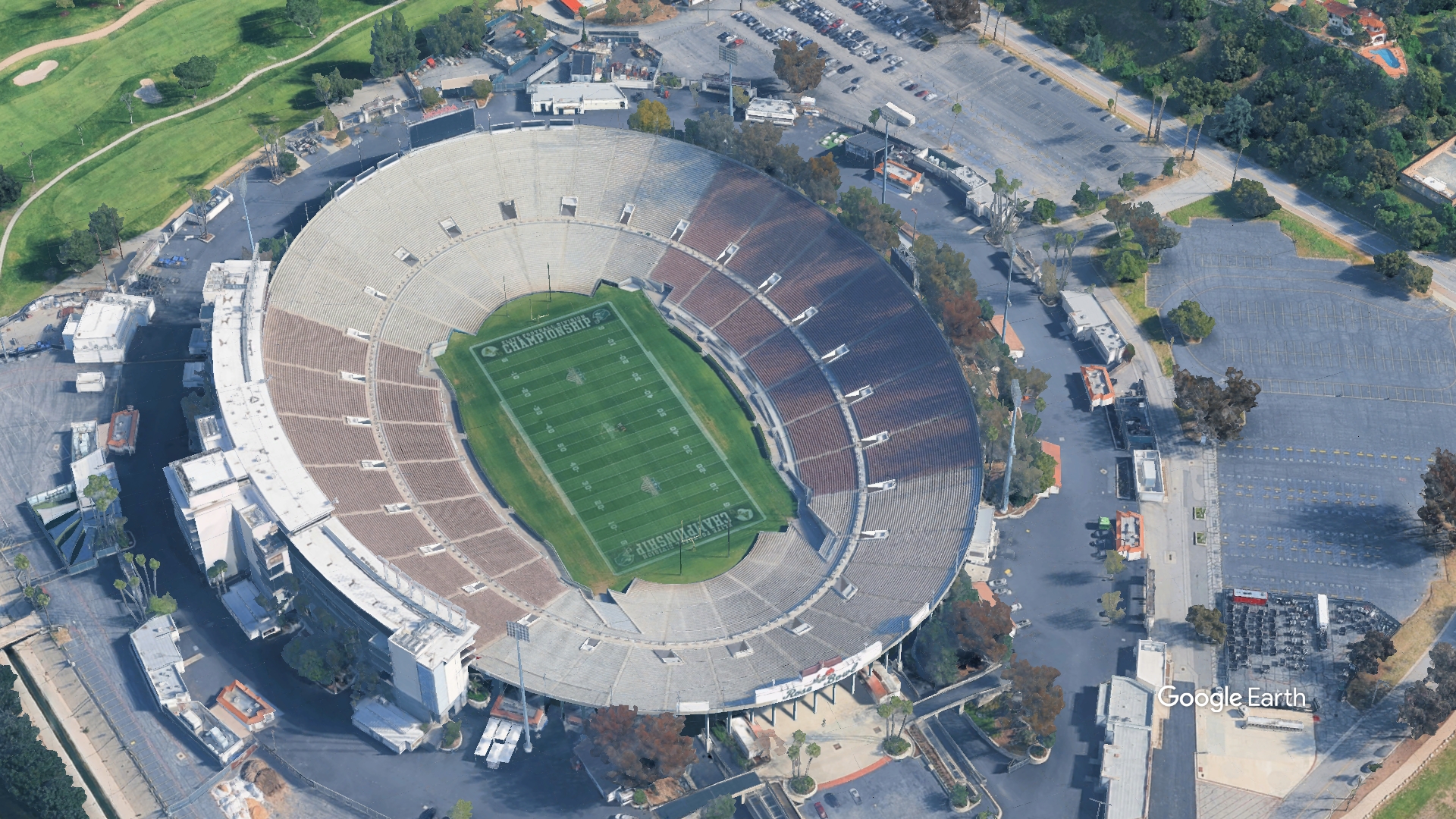
The Rose Bowl: Pasadena, California
Capacity 94.000

The undisputed crown jewel of the 1994 World Cup was the Rose Bowl in Pasadena, California. Originally opening its gates in 1922, the stadium was primarily built to host the annual Rose Bowl Game, a storied college football tradition.
Over the decades, it evolved into an iconic multi-purpose venue, hosting major events such as four Super Bowls. The pinnacle of its World Cup involvement was the Final on July 17, 1994, played under a searing 100 °F midday sun to accommodate European television primetime. It became the first scoreless final in World Cup history, culminating in a tense penalty shootout where Roberto Baggio’s infamous miss over the crossbar secured Brazil’s fourth world title.
As of 2026, the Rose Bowl remains an active, highly prestigious venue. It continues to be the home of the UCLA Bruins. It is slated to host the gold medal game for the 2028 Summer Olympics.
Stanford Stadium: Palo Alto, California
Capacity: 84,000
Situated in the technological heart of Silicon Valley, Stanford Stadium was a rustic, wooden-benched collegiate bowl located in the campus of Stanford University. The venue originally opened in 1921 and over its storied history, the stadium hosted momentous non-sport-related events.
During the 1994 World Cup, the stadium hosted six matches, the most important being the Round of 16 clash on Independence Day between the host nation and eventual champions Brazil.
Today, the original Stanford Stadium exists only in memory. Deemed structurally obsolete and lacking modern premium amenities, the university demolished the historic 85,000-seat bowl in 2005.
Pontiac Silverdome: Pontiac, Michigan
Capacity: 77,500
The Pontiac Silverdome in Michigan served as an experimental venue, hosting the first indoor matches in FIFA World Cup history. Opening in 1975, the stadium was an architectural marvel of its era, featuring a massive Teflon-coated fiberglass fabric roof held aloft entirely by air pressure.
It was the home for the NFL’s Detroit Lions and the NBA’s Detroit Pistons. The Silverdome’s post-World Cup trajectory became an example of infrastructure decay. Abandoned by the Detroit Lions in 2002 and later the Pistons, the stadium fell into severe disrepair. Following a roof collapse in 2014 the stadium was demolished in early 2018.
Giants Stadium: East Rutherford, New Jersey
Capacity: 76,000
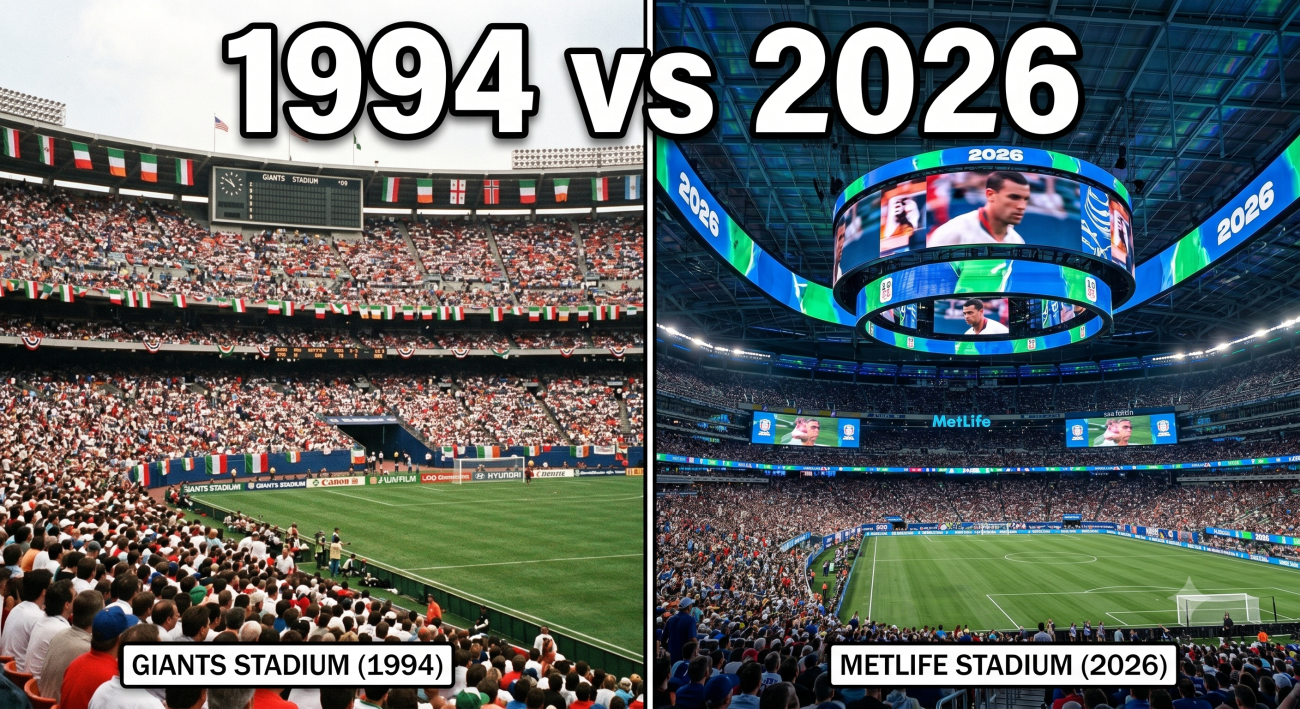
The Giants Stadium in East Rutherford, New Jersey, opened in 1976. It held a unique place in American sports history as the shared home for two NFL franchises—the New York Giants and the New York Jets—under a joint tenancy agreement.
Because of the massive local Italian-American population in the New York metropolitan area, the Italian national team effectively utilized Giants Stadium as their home in the group stage. Giants Stadium also hosted highly emotional knockout fixtures, including Bulgaria’s stunning quarterfinal upset over Germany and Italy’s win over Bulgaria in the semifinal.
Giants Stadium no longer stands as it was officially closed and demolished in 2010. It was directly replaced by the $1.6 billion MetLife Stadium, built adjacent to the original site.
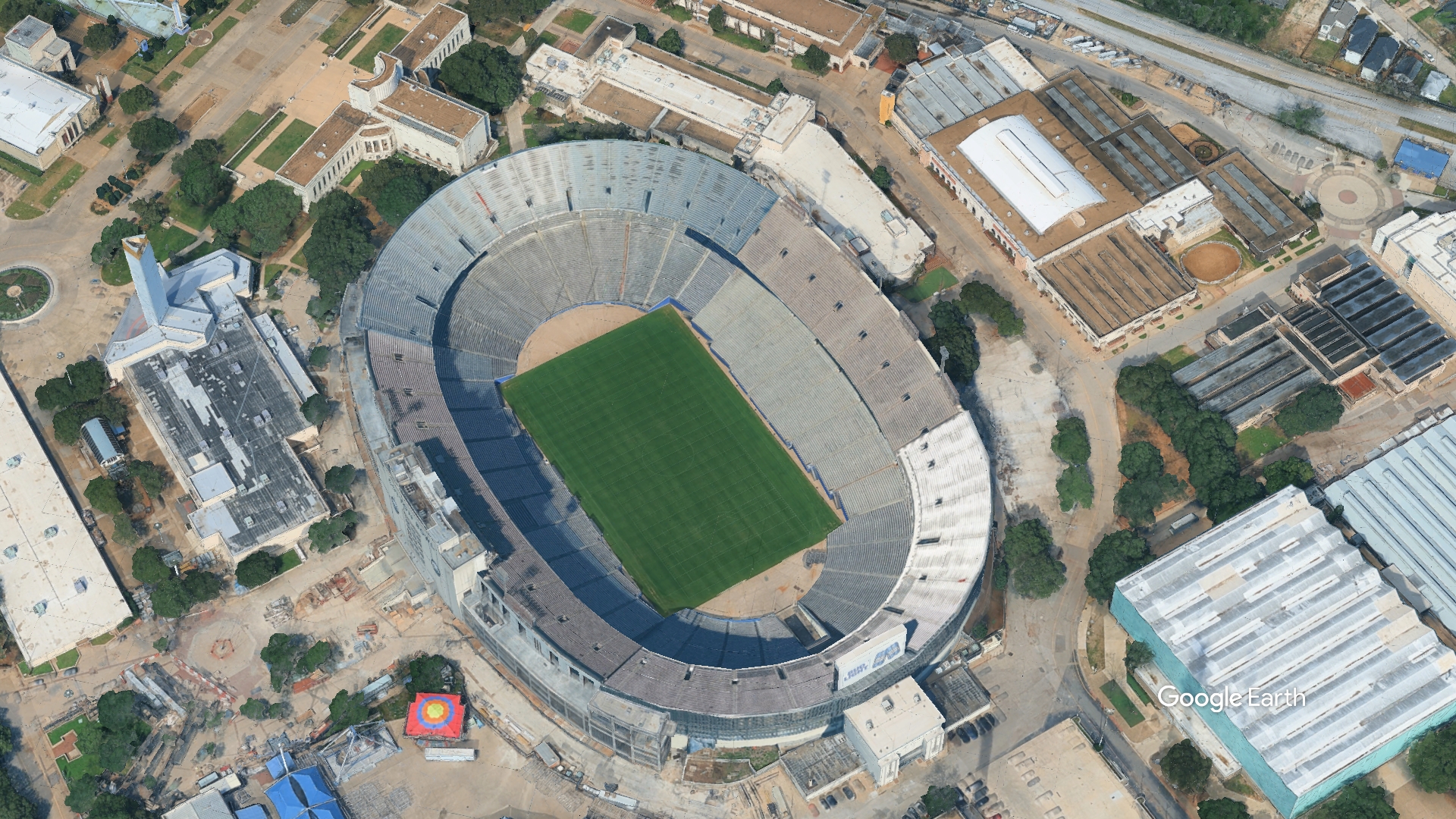
Cotton Bowl: Dallas, Texas
Capacity: 64,000
The Cotton Bowl in Dallas holds a deeply rooted place in the history and tradition of American football. Opened in 1930 the stadium served as the original home of the NFL’s Dallas Cowboys from 1960 to 1971 and famously hosted the annual Cotton Bowl Classic college football game from 1937 until 2009.
During the 1994 World Cup, the Cotton Bowl hosted 6 games, including what many consider one of the greatest matches in tournament history: a 3-2 quarterfinal victory for Brazil over the Netherlands.
As of 2026, the Cotton Bowl remains an active piece of Texas sporting infrastructure. Rather than face demolition, the historic stadium has undergone multiple upgrades, including a massive renovation in 2024 and 2025. The rejuvenated stadium is also slated to serve as a training venue for national teams competing in the 2026 World Cup.
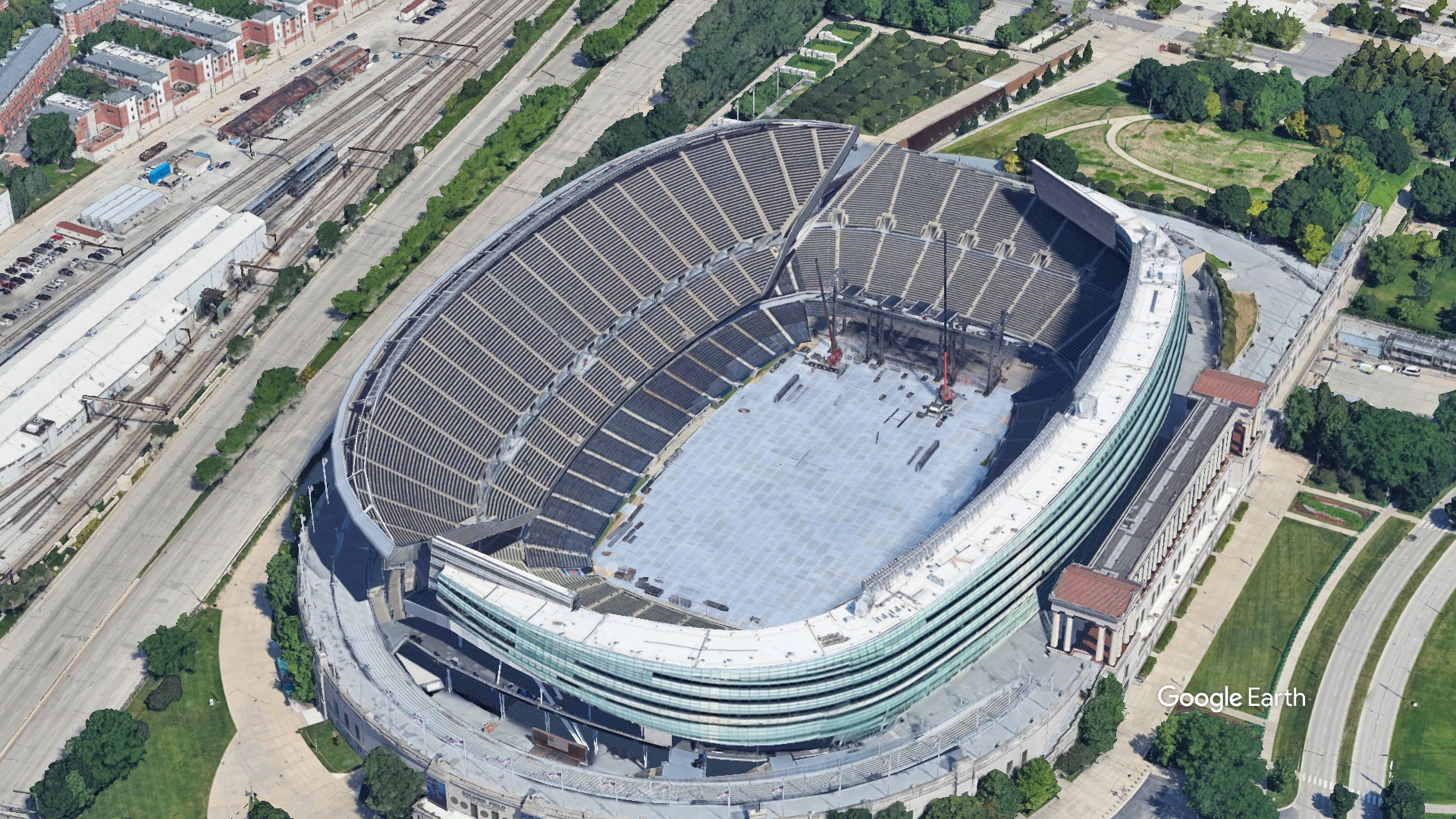
Soldier Field: Chicago, Illinois
Capacity: 63,160
Soldier Field in Chicago is one of the oldest and most historic stadiums in the United States. It opened in 1924 and was renamed the following year to honor American soldiers who died in combat. Throughout the 20th century, it hosted a stunning array of historical milestones and the Chicago Bears of the NFL adopted the venue as their home in 1971.
During the 1994 FIFA World Cup, Soldier Field played a key role hosting 5 games including a round of 16 clash.
Soldier Field’s current status is at a critical crossroads. The stadium underwent a highly controversial interior reconstruction in 2003 that reduced capacity and resulted in the loss of its National Historic Landmark status. As of early 2026, the Chicago Bears are actively planning to vacate Soldier Field for a proposed new domed stadium.
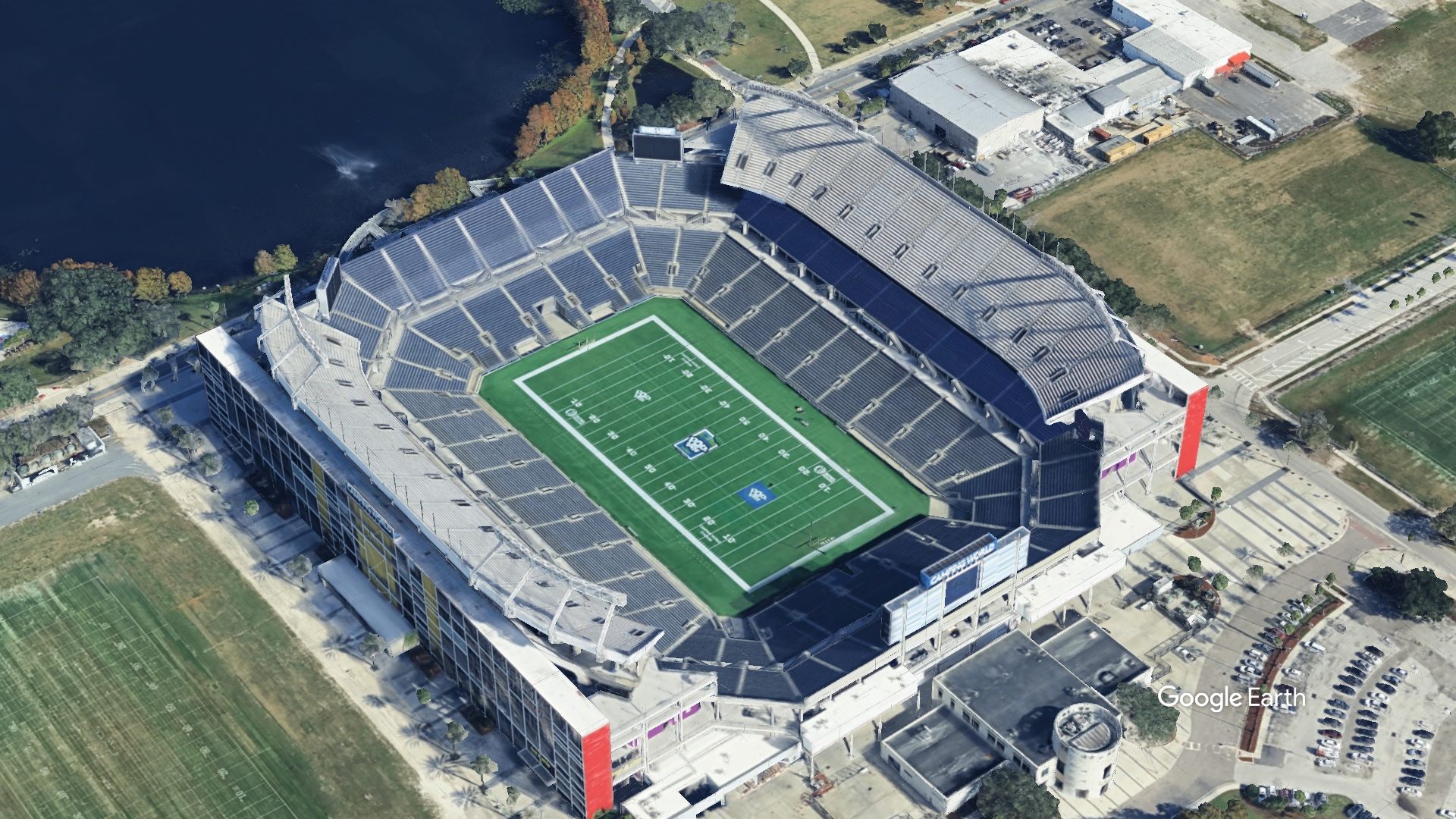
Citrus Bowl: Orlando, Florida
Capacity: 62,300
Citrus Bowl in Dallas originally opened its doors in 1936 as a humble 8,900-seat facility named Orlando Stadium.
Selected as one of the nine host venues for the World Cup, the stadium underwent significant expansions to accommodate over 60,000 fans for five group stage matches and one Round of 16 knockout game.
Today, the historic venue operates under the name Camping World Stadium following a massive, $207 million near-total reconstruction in 2014 that completely modernized the facility while retaining its original field level. Although it was ultimately passed over as a host venue for the upcoming 2026 World Cup, the stadium remains a vibrant epicenter for major sports and entertainment in Orlando, mainly hosting marquee annual college football matchups.
Foxboro Stadium: Foxborough, Massachusetts
Capacity: 54,500
Located outside Boston, Foxboro Stadium was the simplest venue on the roster, lacking a roof, architectural flair, and luxury amenities. The stadium originally opened in August 1971 as Schaefer Stadium to serve as the long-term home for the NFL’s New England Patriots.
Despite its spartan nature, Foxboro became the site of massive World Cup significance in 1994. It hosted the final tournament appearance of legendary Argentine forward Diego Maradona in a 2-1 victory over Nigeria, before he failed a drug test. Foxboro also witnessed Italy’s dramatic knockout run, famously saved by Roberto Baggio’s late heroics against Nigeria. T
The tremendous local enthusiasm at Foxboro during these matches inspired stadium owner Robert Kraft to become a founding investor in Major League Soccer, establishing the New England Revolution in 1995 before the stadium was eventually demolished in 2002.
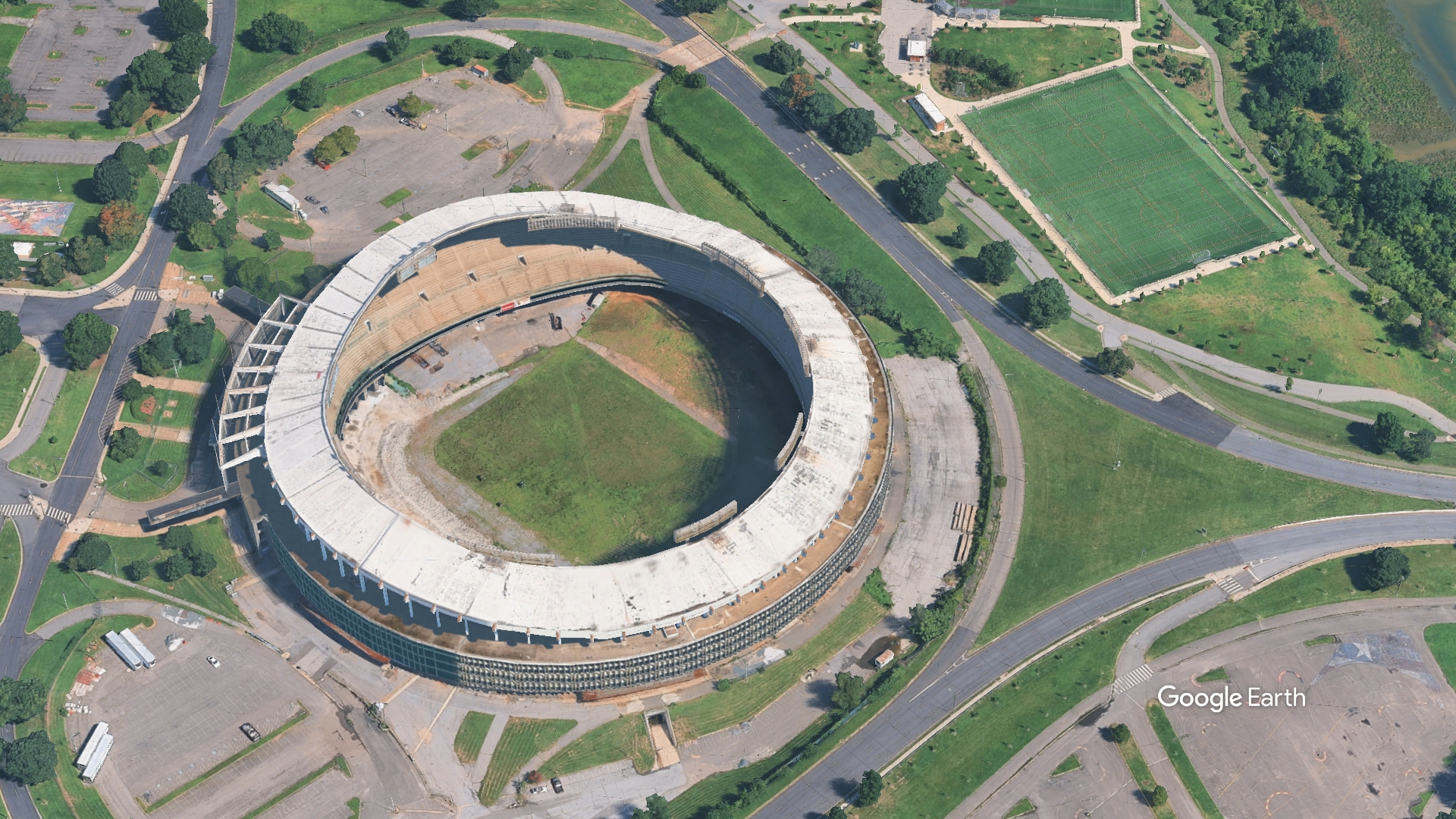
RFK Stadium: Washington, D.C.
Capacity: 53,000
The Robert F. Kennedy Memorial Stadium in Washington, D.C., was the smallest venue of the 1994 World Cup with 53,000 seats.
Opening its doors in 1961 as D.C. Stadium it became an iconic, multi-purpose coliseum that hosted everything from the NFL’s Washington Redskins to MLB baseball and MLS soccer.
Its legacy on the global stage was cemented during the 1994 FIFA World Cup, when the nation’s capital served as one of the tournament’s premier host cities. Packing in over 50,000 roaring fans per match, RFK hosted four group stage games and a Round of 16 clash where Spain defeated Switzerland 3-0.
Today, the once-revered stadium is in the final stages of its existence, undergoing a slow, systematic demolition after sitting abandoned for years following its closure in 2017.
https://youtu.be/zqf9TMzIg70