
Mexico holds a unique place in the books of football history. Long before it was tapped to co-host the 2026 tournament, Mexico was the first nation on earth to host the FIFA Men’s World Cup twice.
The 1970 World Cup featured 16 teams and required only five stadiums. Mexico had heavily invested in its sporting infrastructure to host the 1968 Summer Olympics two years prior, allowing FIFA to utilize relatively new, high-capacity venues.
In 1986, Colombia was originally selected to host the tournament but withdrew in 1982 due to economic constraints. Mexico was awarded the rights in 1983, becoming the first nation to host twice. The tournament expanded to 24 teams, requiring 12 stadiums. Despite an 8.0 magnitude earthquake striking Mexico City in September 1985, none of the stadiums suffered severe structural damage, and the tournament proceeded on schedule.
Let’s take a tour through the iconic Mexican stadiums that have previously welcomed the World Cup.
Estadio Azteca (Mexico City)
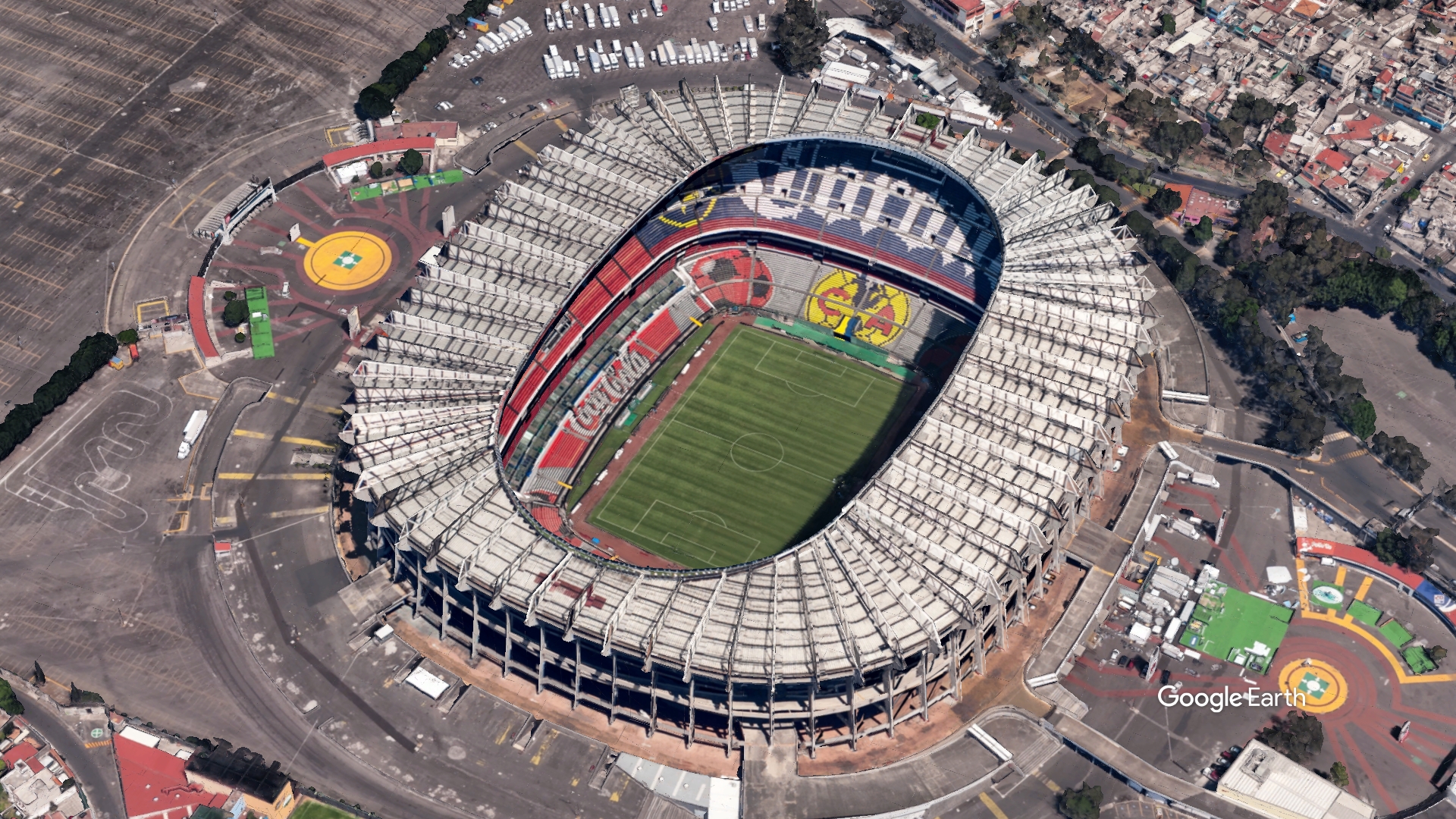
Opened in 1966, the Azteca is the only stadium on earth to have hosted two standalone Men’s World Cup Finals.
In 1970, it hosted the “Game of the Century” between Italy and West Germany, culminating in Pelé and the magical Brazilian squad lifting the Jules Rimet trophy. In 1986, it was the absolute epicenter of the Diego Maradona story, serving as the stage for both his “Hand of God” and the spectacular “Goal of the Century” against England.
Today, it remains the historic home of Club América, Cruz Azul, and the Mexican National Team. Currently undergoing renovations, it is preparing to make history once more for the 2026 World Cup.
Estadio Jalisco (Guadalajara)
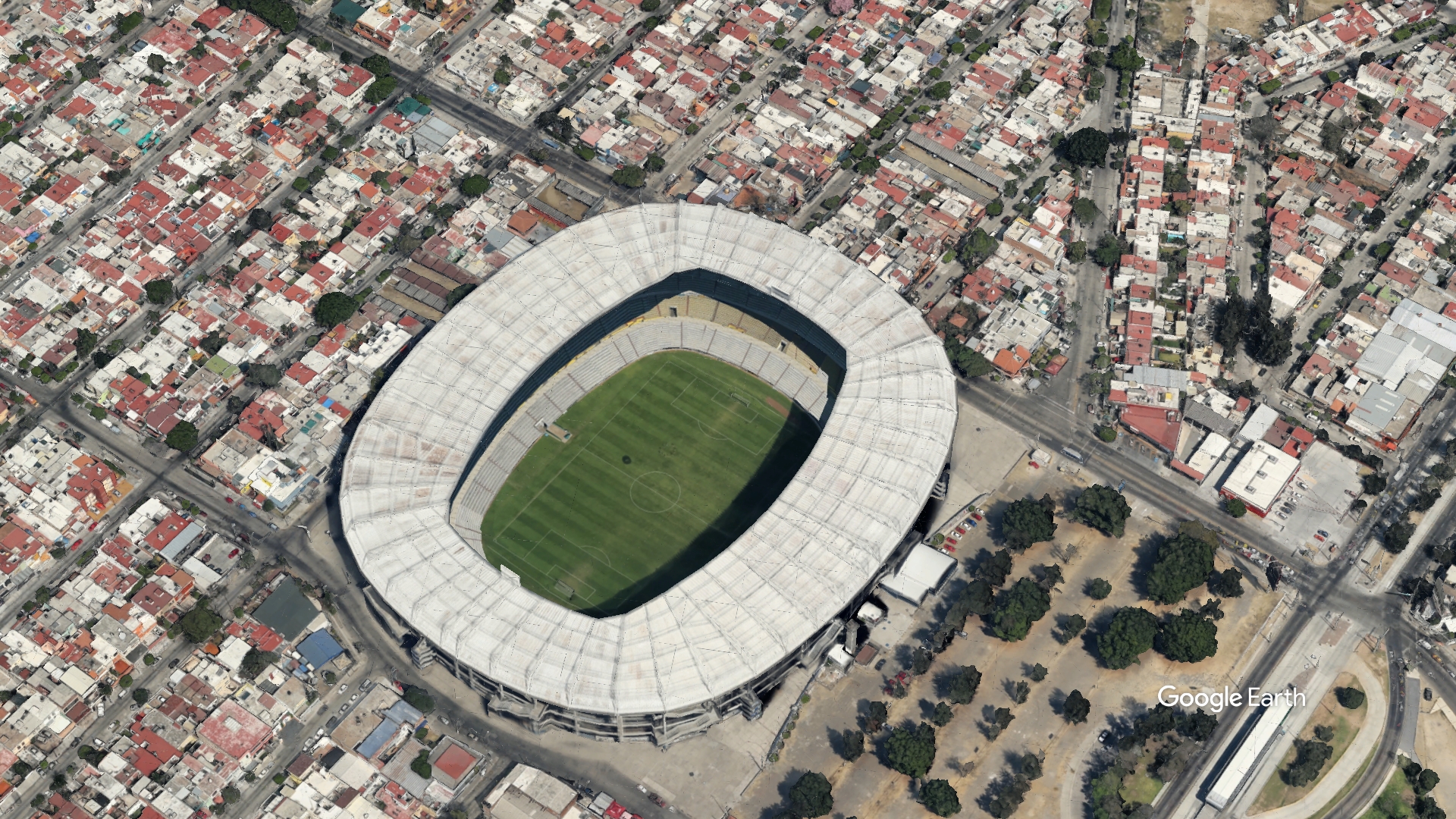
Located in the heart of Guadalajara, Estadio Jalisco opened in 1960. It is the third-largest stadium in Mexico.
It is most famous for its prominent role in the two FIFA World Cups hosted by Mexico. During both of these global tournaments, the stadium essentially functioned as the adopted home for the Brazilian national team. This remarkable distinction of being the spiritual home for the Seleção across two different eras cemented Estadio Jalisco’s legacy as one of the most iconic venues in World Cup history.
For decades, the stadium was shared by two fierce rivals, Atlas F.C. and Chivas. While Chivas moved to their own modern stadium in 2010, the Jalisco remains the beloved, passionate fortress of Atlas.
However, for the 2026 World Cup, Guadalajara’s matches will be played at the newer Estadio Akron.
Estadio Cuauhtémoc (Puebla)
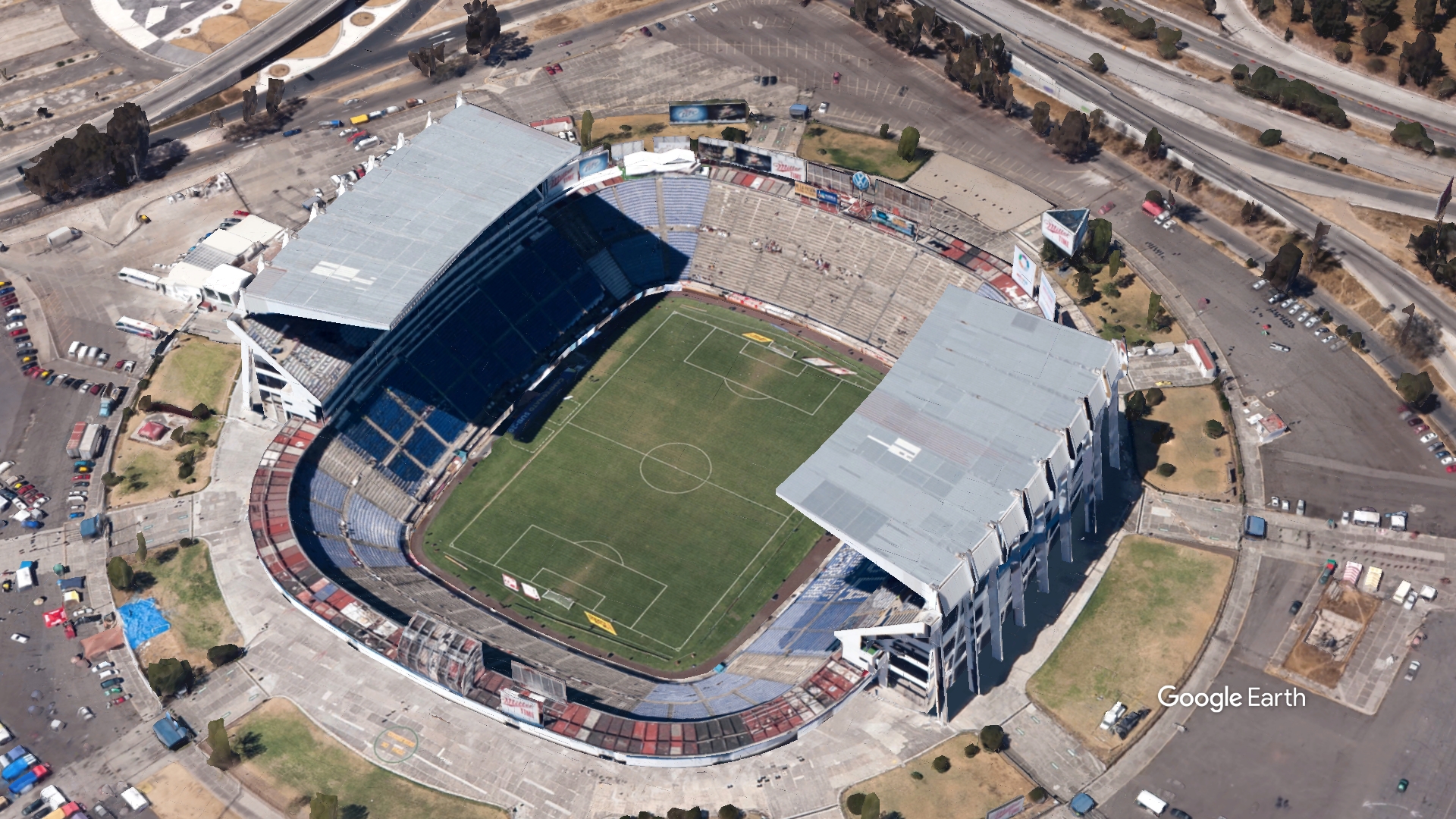
Originally constructed as a premier venue for the 1968 Summer Olympics, the Estadio Cuauhtémoc has been the permanent home of Club Puebla for decades, witnessing the team’s multiple domestic cup and league triumphs.
The stadium’s global legacy is anchored by its role in both the 1970 and 1986 Men’s World Cups, hosting a total of twelve tournament matches across the two events. In 1970, it was the primary battlefield for Group 2 and eventually staging the third-place playoff, where West Germany claimed the bronze medal over Uruguay. Sixteen years later, the Cuauhtémoc returned to the international spotlight to host defending champions Italy during the 1986 group stages. It then became a theater for intense knockout football, hosting Diego Maradona’s Argentina in a tight 1-0 victory over Uruguay in the Round of 16, followed by a thrilling quarter-final where Belgium shattered Spanish hopes in a dramatic penalty shootout.
The stadium was completely renovated in 2015, but it will not be used as a venue at the 2026 World Cup.
Estadio Nemesio Díez (Toluca)
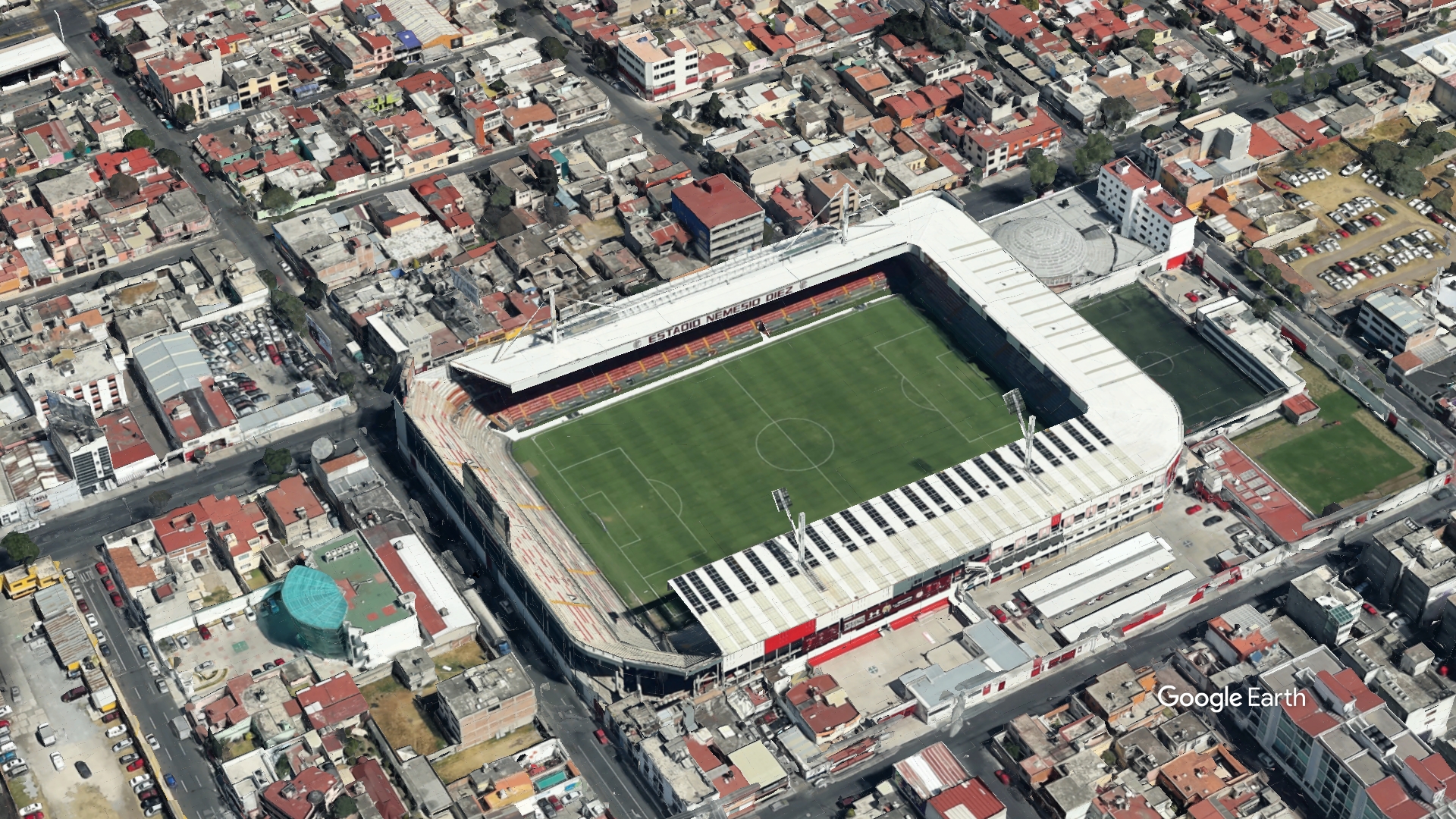
Inaugurated in 1954, the Estadio Nemesio Díez in Toluca is affectionately known throughout Mexican football as “La Bombonera” (The Chocolate Box). Unlike the sprawling, sweeping bowls found elsewhere in the country, this venue boasts a traditional English-style rectangular design with remarkably steep grandstands situated just mere feet from the touchline.
It is the fortress of Deportivo Toluca F.C., one of the most decorated and historically successful franchises in Liga MX.
The stadium’s unique design was introduced to a global audience during both the 1970 and 1986 FIFA Men’s World Cups. In 1970, operating under the name Estadio Toluca 70, it hosted Group matches and a quarter final. Renamed Estadio Toluca 70-86 for the return of the tournament sixteen years later, the stadium hosted group stage games again.
Estadio Olímpico Universitario (Mexico City)
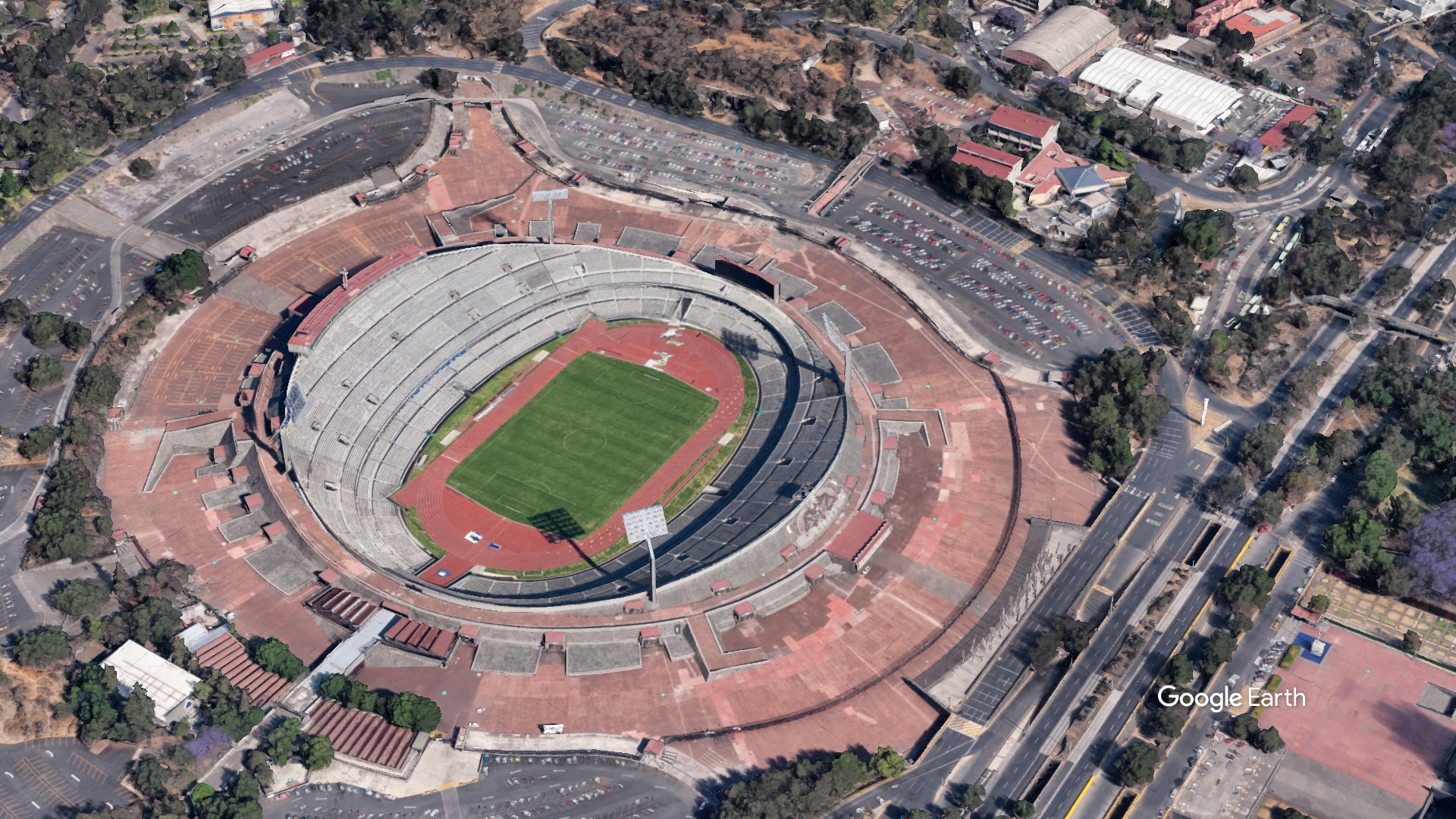
Built in 1952, this stadium is a masterpiece of mid-century Mexican architecture, designed to resemble a volcano crater. It is situated on the campus of the National Autonomous University of Mexico (UNAM), it is a UNESCO World Heritage site.
While it did not host matches in 1970, it was a vital venue for the 1986 World Cup, hosting group stage matches, as well as a Round of 16 clash between Italy and France.
It is the historic and current home of Pumas UNAM, a club renowned for its passionate student fanbase and one of the “Big Four” clubs in Mexican football.
Estadio Universitario (Monterrey)
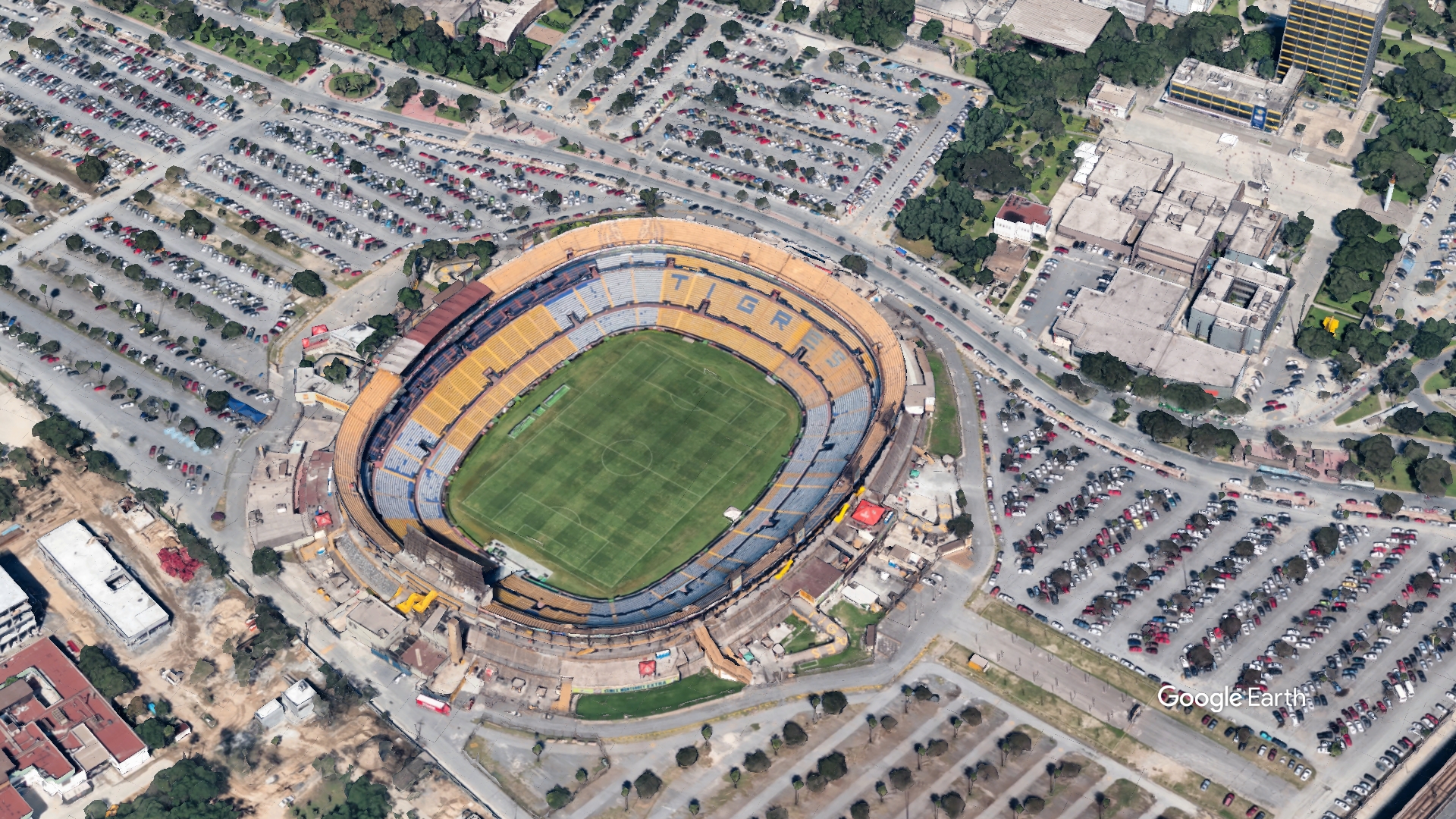
Located on the campus of the Autonomous University of Nuevo León in the Monterrey metropolitan area, the Estadio Universitario opened its doors in 1967.
It serves as the home fortress of Tigres UANL, a club that has thoroughly dominated Mexican domestic football in recent decades.
During the 1986 World Cup, “El Volcán” hosted several matches, including the tense quarter-final where West Germany defeated hosts Mexico on penalty kicks—a heartbreak still remembered by Mexican fans today as it marked the painful end of Mexico’s deepest and most promising run in World Cup history on their own soil. It is also famously recognized as the stadium where the “Mexican Wave” (La Ola) was popularized on a global scale.
Estadio Tecnológico (Monterrey)
Monterrey was a two-stadium city for the 1986 World Cup. During the tournament, the Estadio Tecnológico hosted 3 group games.
Inaugurated in 1950, the Estadio Tecnológico served as the home ground of CF Monterrey for 63 years, witnessing numerous domestic league and CONCACAF Champions League title campaigns.
After Rayados relocated to the ultra-modern Estadio BBVA, the Tecnológico was permanently closed in 2015 and completely demolished in 2017.
Estadio Corregidora (Querétaro)

Built specifically to accommodate the expanded 24-team format of the 1986 FIFA Men’s World Cup, the Estadio Corregidora in Querétaro opened its doors in 1985.
During the summer of 1986, the Corregidora served as the epicenter for Group E. It also hosted a round of 16 match.
Today, it stands as the home of Querétaro F.C.
Estadio Neza 86 (Nezahualcóyotl)
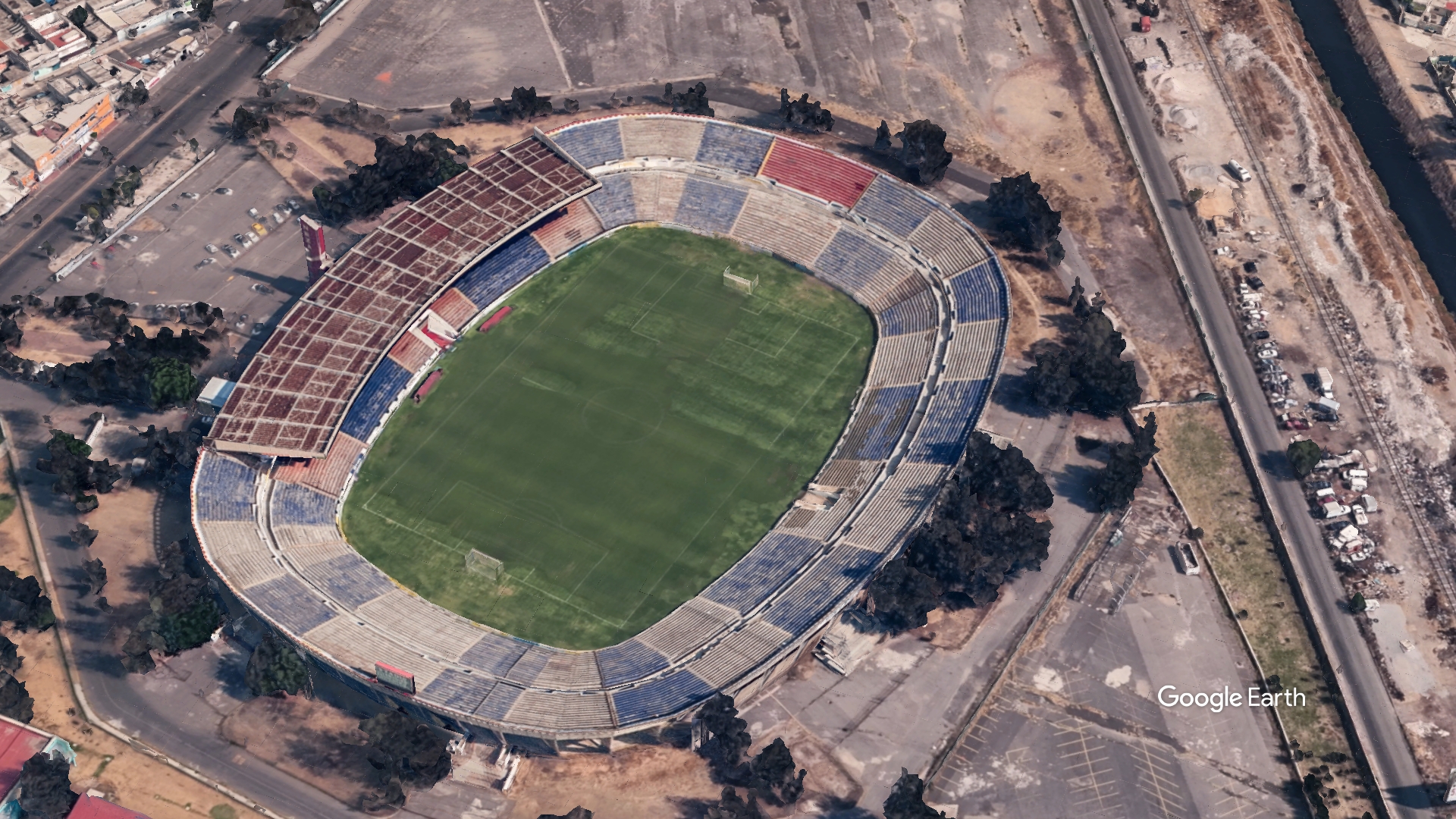
Located in the densely populated State of Mexico, just outside the capital, this stadium’s very name is a permanent tribute to the tournament.
Originally opened in 1981, it was renamed “Estadio Neza 86” in honor of the World Cup matches it hosted, which included 3 group stage games.
In the 1990s, the stadium became famous as the home of Toros Neza of the Liga MX. While professional football has been sporadic in recent years, the stadium stands as a concrete monument to the 1986 games.
Estadio Nou Camp (León)
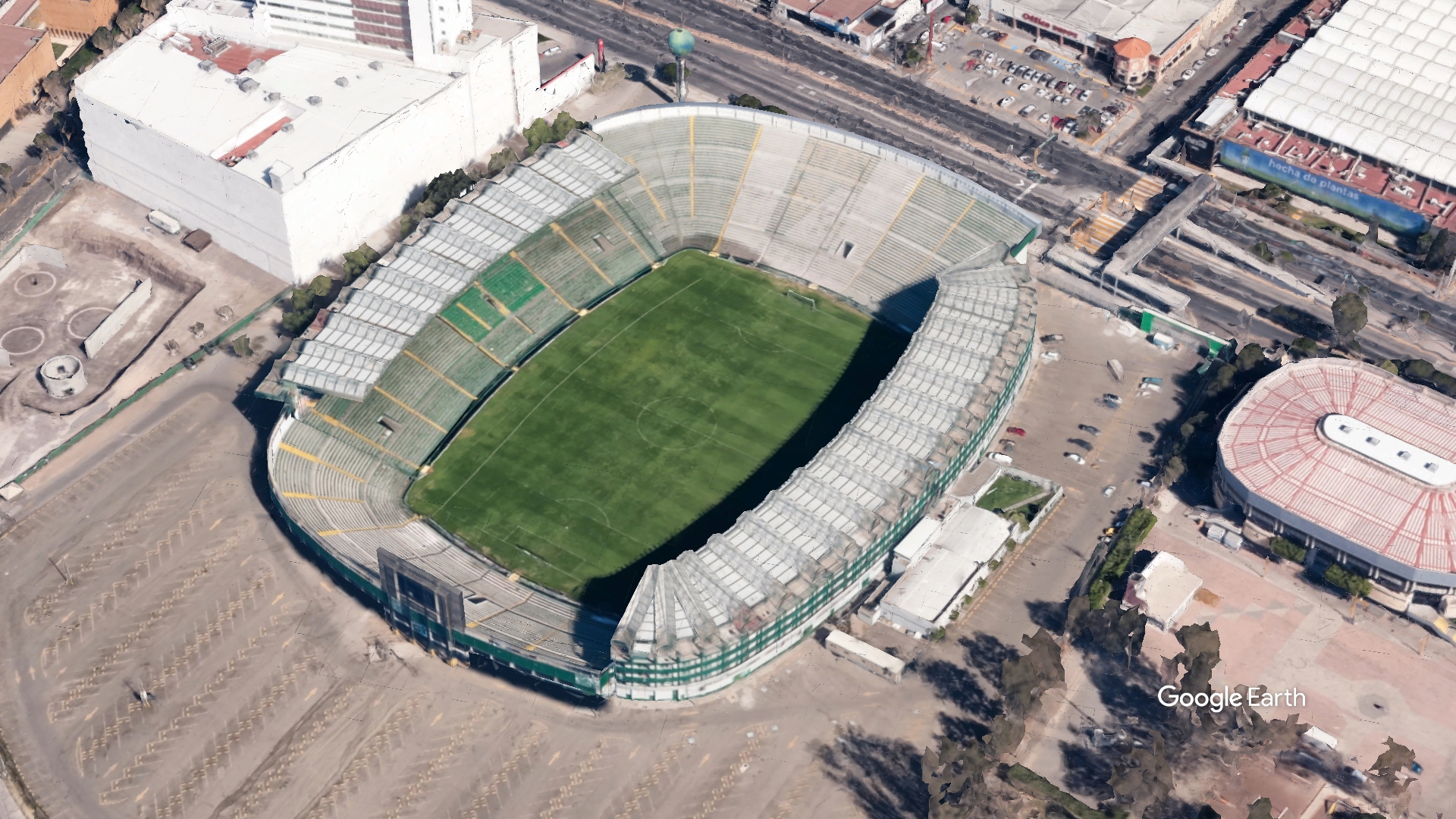
Inaugurated in 1967, the Estadio León—universally known to football fans as the Nou Camp—holds the rare prestige of hosting vital matches during both the 1970 and 1986 FIFA Men’s World Cups.
In 1970, it hosted Group 4 action before providing the stage for one of the greatest quarter-final matches in tournament history. West Germany took revenge on defending champions England by overcoming a 2-0 deficit to win 3-2 in extra time. When the tournament returned in 1986, the stadium was the primary home for Group C, hosting also a round of 16 clash.
It is the permanent home of Club León, one of the most historically decorated and dominant franchises in Liga MX history.
Estadio Tres de Marzo (Zapopan)
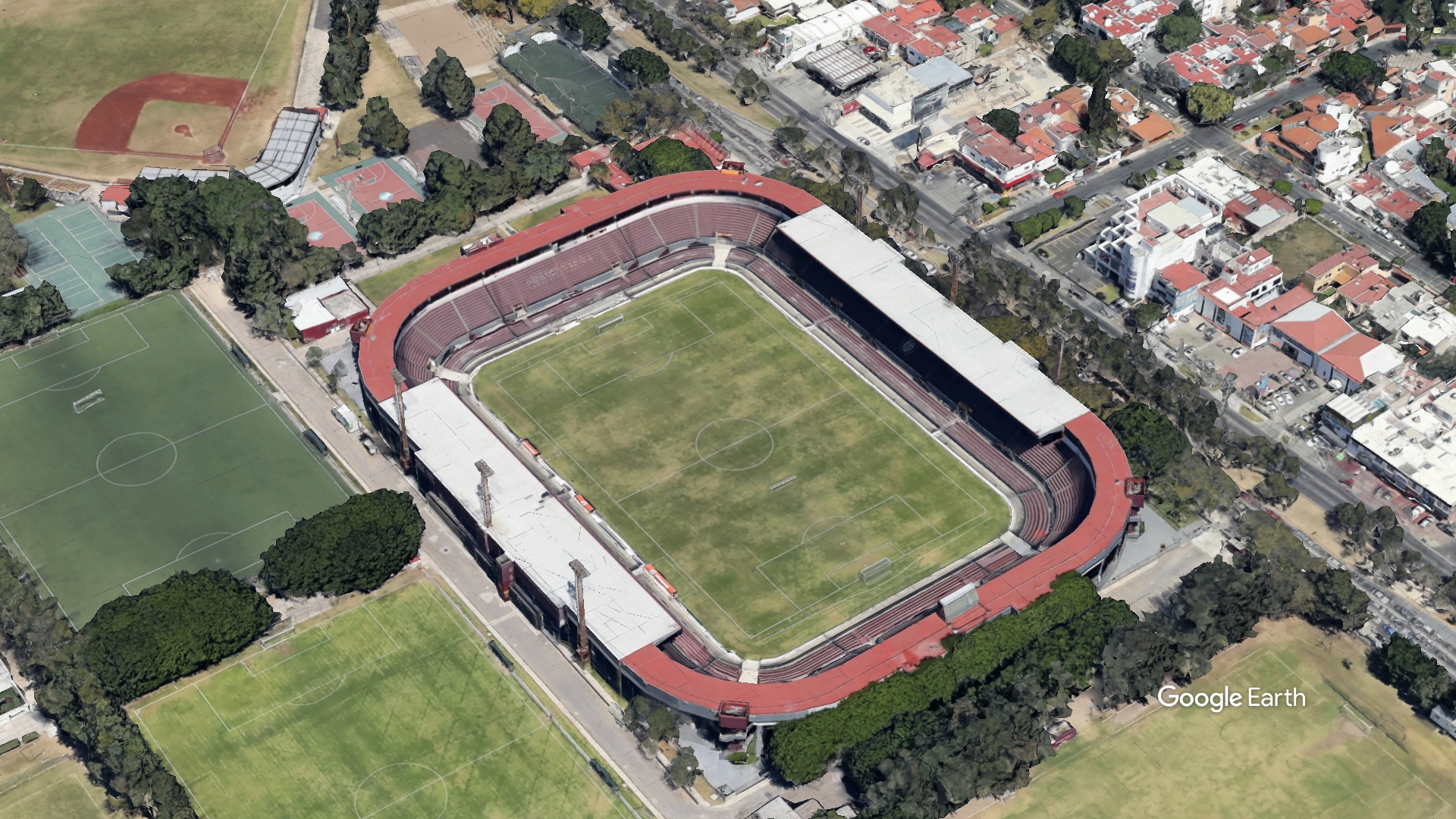
Situated in the Guadalajara metropolitan area, the Estadio Tres de Marzo was added to the 1986 World Cup roster to help handle the expanded 24-team format, hosting 3 group games.
For decades, it was the home of Estudiantes Tecos, a club that won a first-division championship in 1994. Currently, it mostly hosts lower-division football and major music concerts.
Estadio Sergio León Chávez (Irapuato)
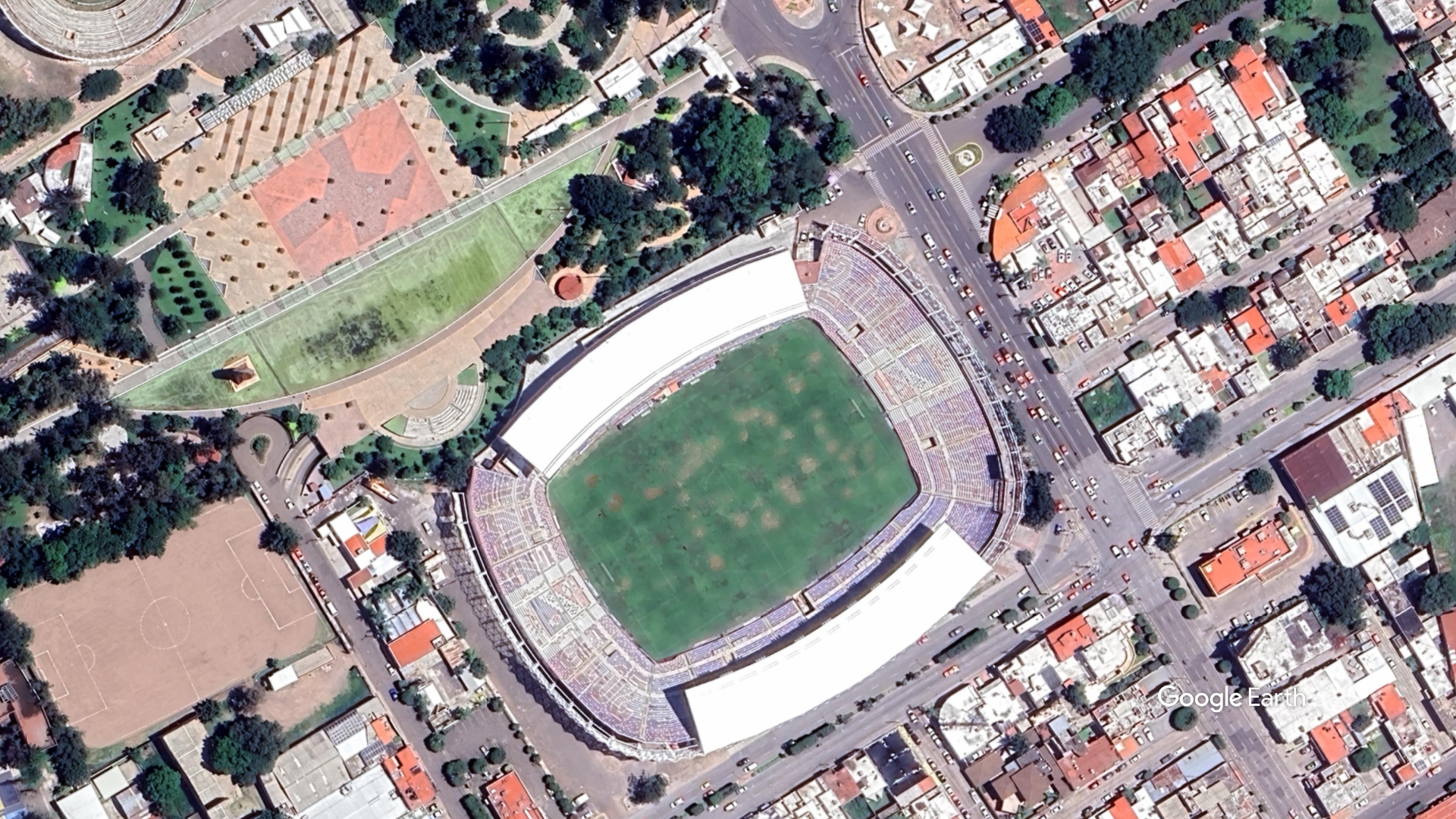
The Estadio Sergio León Chávez is located in Irapuato, primarily used for football matches and serving as the home ground of Club Deportivo Irapuato.
Opened in 1969 the stadium replaced the planned Estadio Morelos in Morelia as a host venue for the World Cup after severe foundation issues halted construction on the Morelia site. In the tournament it hosted three group stage games.