
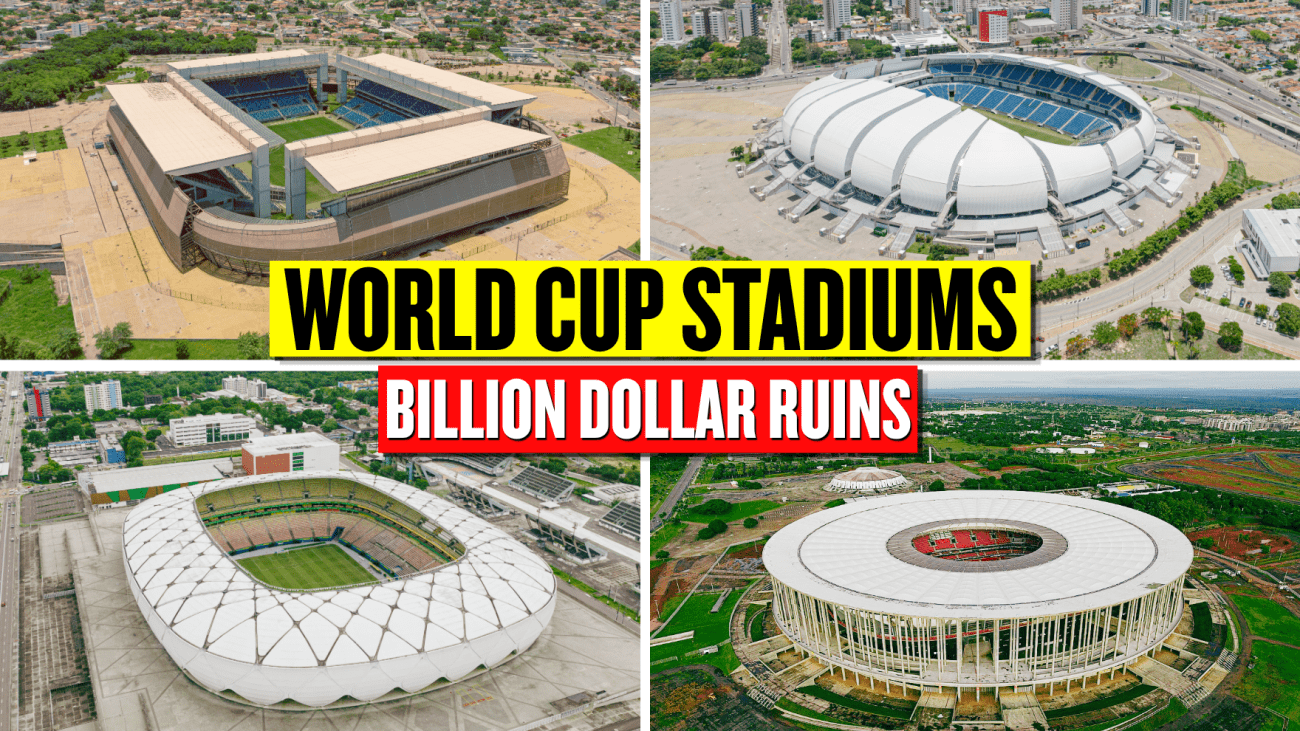
Every four years, the FIFA World Cup captivates billions of fans, temporarily transforming host nations into the focal point of the globe.
Behind the television broadcasts and the soaring rhetoric of political leaders, however, lies a darker, enduring legacy. To host the world’s premier sporting event, nations must comply with stringent infrastructure requirements, often building colossal stadiums with capacities exceeding 40,000, 60,000, or even 80,000 seats. Politicians and bid committees routinely justify these massive public expenditures by promising long-term economic multipliers, urban regeneration, and a massive boost in tourism.
Yet, when the final whistle blows and the global audience moves on, host cities are frequently left grappling with massive, expensive assets that are entirely disproportionate to local sporting demands.
The Dictatorship’s Concrete Legacy: Estadio José María Minella
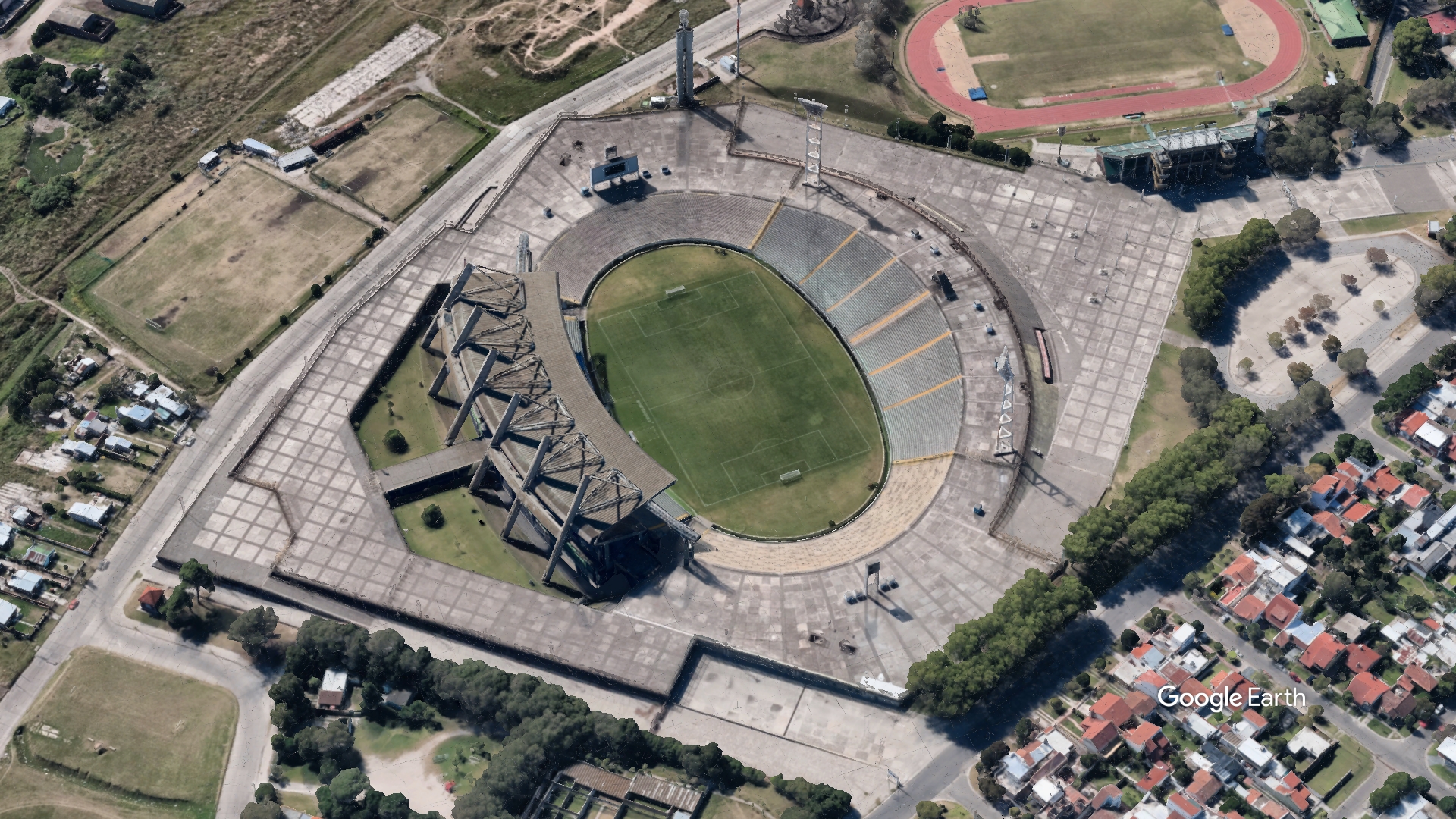
One of the earliest examples is the Estadio José María Minella, constructed for the 1978 World Cup. Built in the regional coastal city of Mar de Plata without a large professional football base, the stadium quickly became underutilized after the tournament.
While it serves as the home ground for local clubs like Aldosivi and Alvarado, these teams do not draw crowds capable of filling a 35,000-seat arena or funding its upkeep. Decades of neglect left the concrete structure severely deteriorating. The true cost of this stranded asset manifested nearly a half-century later. In 2025, a massive $40 million investment plan was approved simply to refurbish the decaying stadium.
Stadio delle Alpi: Architectural Miscalculation
By the 1990 World Cup in Italy, the financial toll of stadium construction reached a new zenith. The nationwide stadium renovation program ran an estimated 84% over budget.
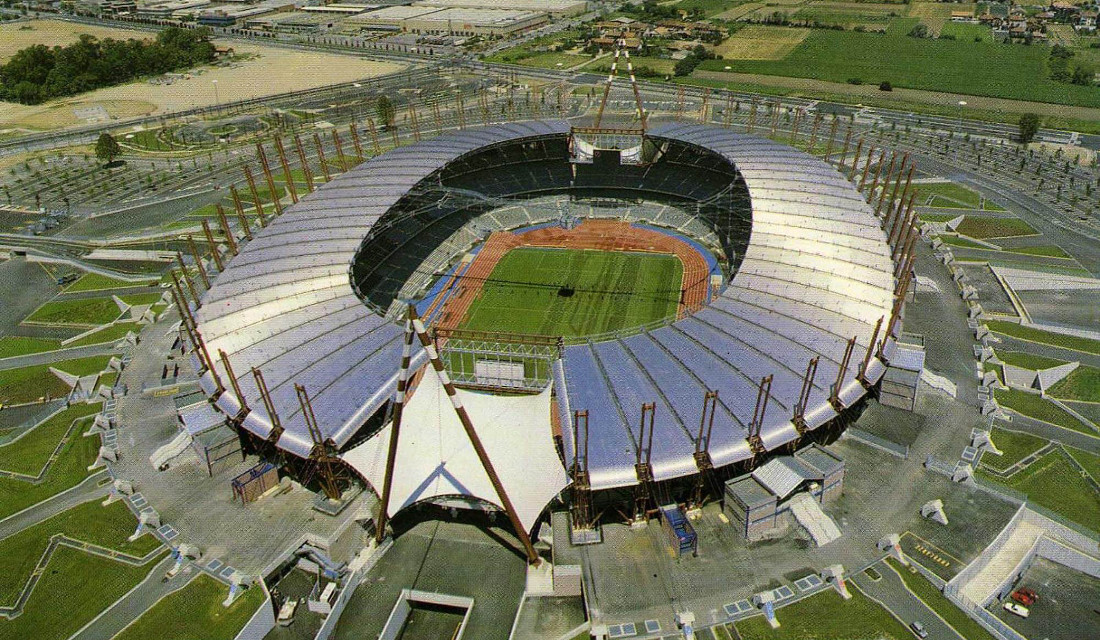
The most infamous case of stadium misalignment is the Stadio delle Alpi, built for the 1990 World Cup. Designed as a modern, multi-purpose arena, it suffered from critical flaws. An athletics track separated fans from the pitch, destroying the atmosphere. Its location on the outskirts of Turin, combined with harsh weather exposure, further reduced attendance.
Ultimately, the structure was deemed such a failure that it was demolished less than 20 years after construction. It was replaced by a smaller, football-specific venue that proved far more financially viable.
The Asian Frontier: Miyagi Stadium and the Korean Situation
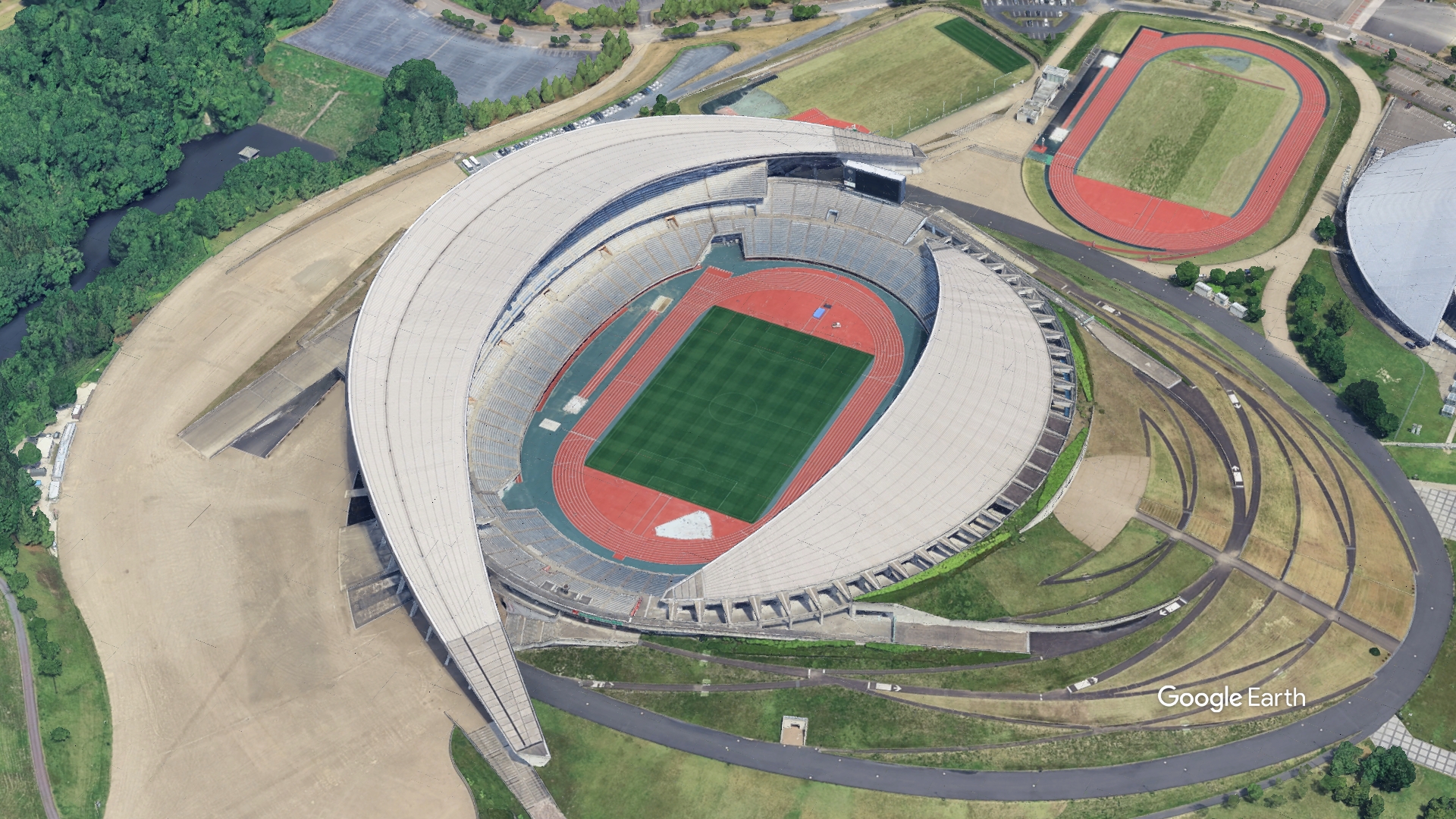
The 2002 World Cup, co-hosted by Japan and South Korea, represented a massive escalation in unnecessary infrastructure. Driven by geopolitical rivalry, both nations constructed 10 stadiums each—far exceeding the tournament’s requirements—at a combined cost of over $3 billion.
In Japan, massive arenas were placed in rural prefectures that lacked professional teams. The 49,000 seats Miyagi Stadium, built at a cost of roughly $250 million, epitomizes this failure. Built in a less densely populated region, the stadium struggles with accessibility and lacks a consistent tenant. Today, maintenance costs far exceed revenues, forcing ongoing public subsidies.
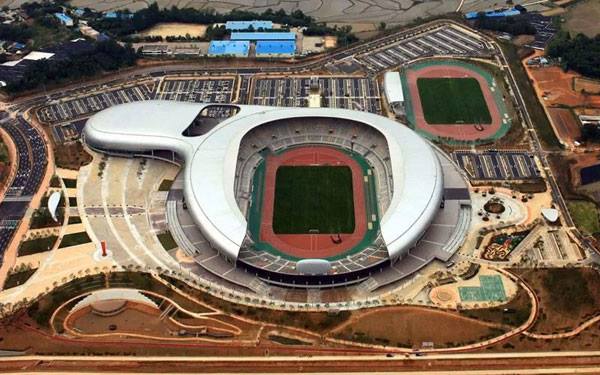
The situation in South Korea was equally disastrous. The construction of ten oversized stadiums forced a dramatic restructuring of the domestic K League, as the government enacted a “Decentralisation Policy” to force clubs out of the capital Seoul and into the new World Cup venues to help pay off municipal debts.
The Hwaseong Stadium stands as a striking example. Located far from major transit networks and designed with a large capacity of 50,000 seats, it lacks a viable tenant. The primary local tenant, Hwaseong FC, does not even use the main arena. They play on the adjacent training pitch of the complex because they only draw a couple of hundred fans in their games.
South Africa 2010: Symbolism vs. Practicality
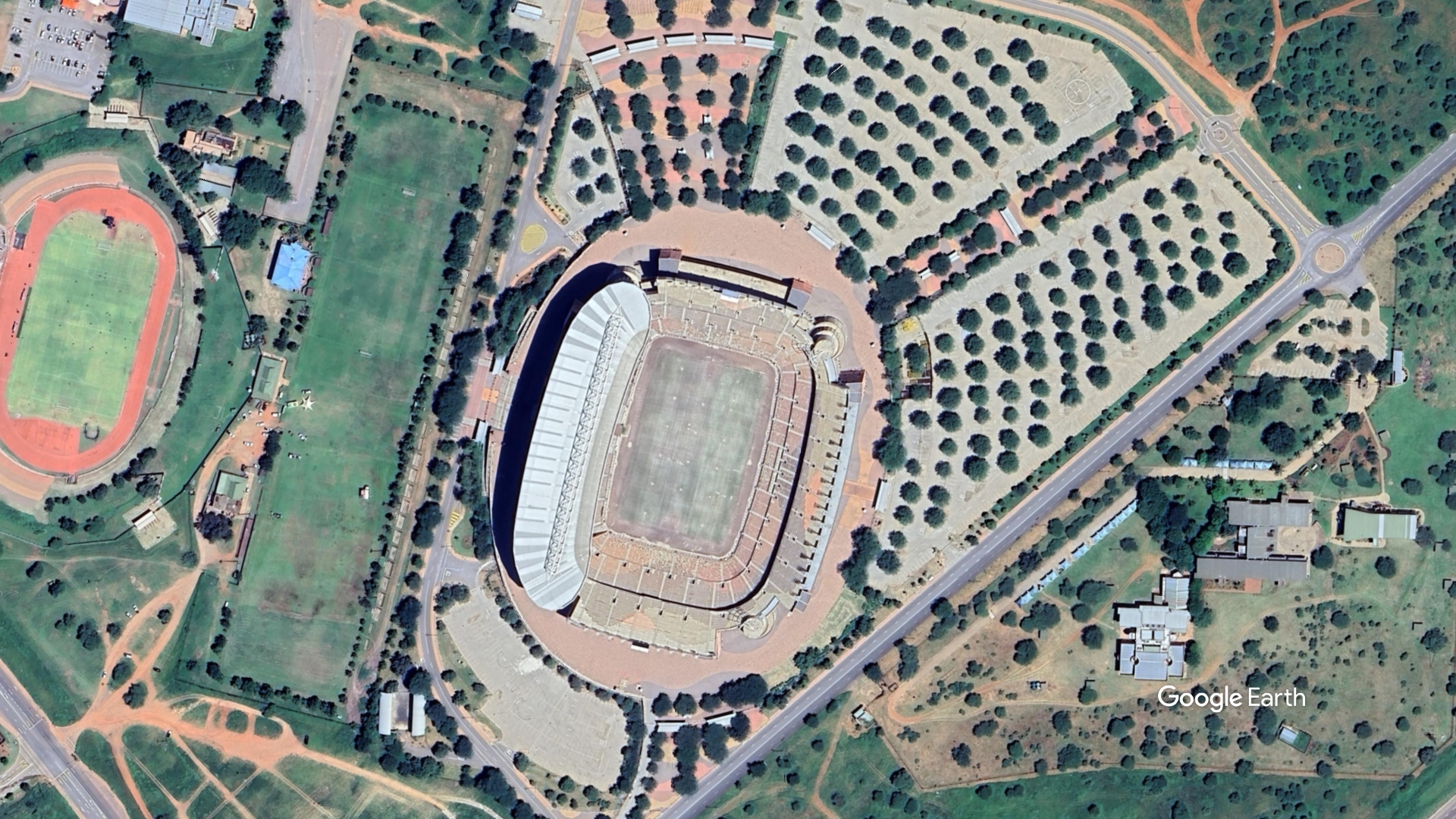
In 2010, South Africa spent over $2 billion building or deeply renovating 10 world-class stadiums to project an image of modernization and challenge global pessimism regarding the continent’s capabilities. However, this capital was diverted from vital municipal services in a nation grappling with severe inequality and a lack of basic housing.
The Peter Mokaba Stadium in Polokwane vividly illustrates this misalignment. Built to hold over 40,000 spectators in a rural city of just over 500,000 people, the stadium hosted four matches during the 2010 tournament. Polokwane lacks a top-tier local football team capable of drawing crowds that could financially sustain the venue. With maintenance costs running into millions annually, the stadium represents a significant financial burden on local authorities.
Brazil 2014: The Peak of Financial Excess
Brazil’s World Cup marked an escalation in spending and misallocation. Several stadiums became symbols of economic imbalance and planning failure.
Estádio Nacional Mané Garrincha – Brasilia
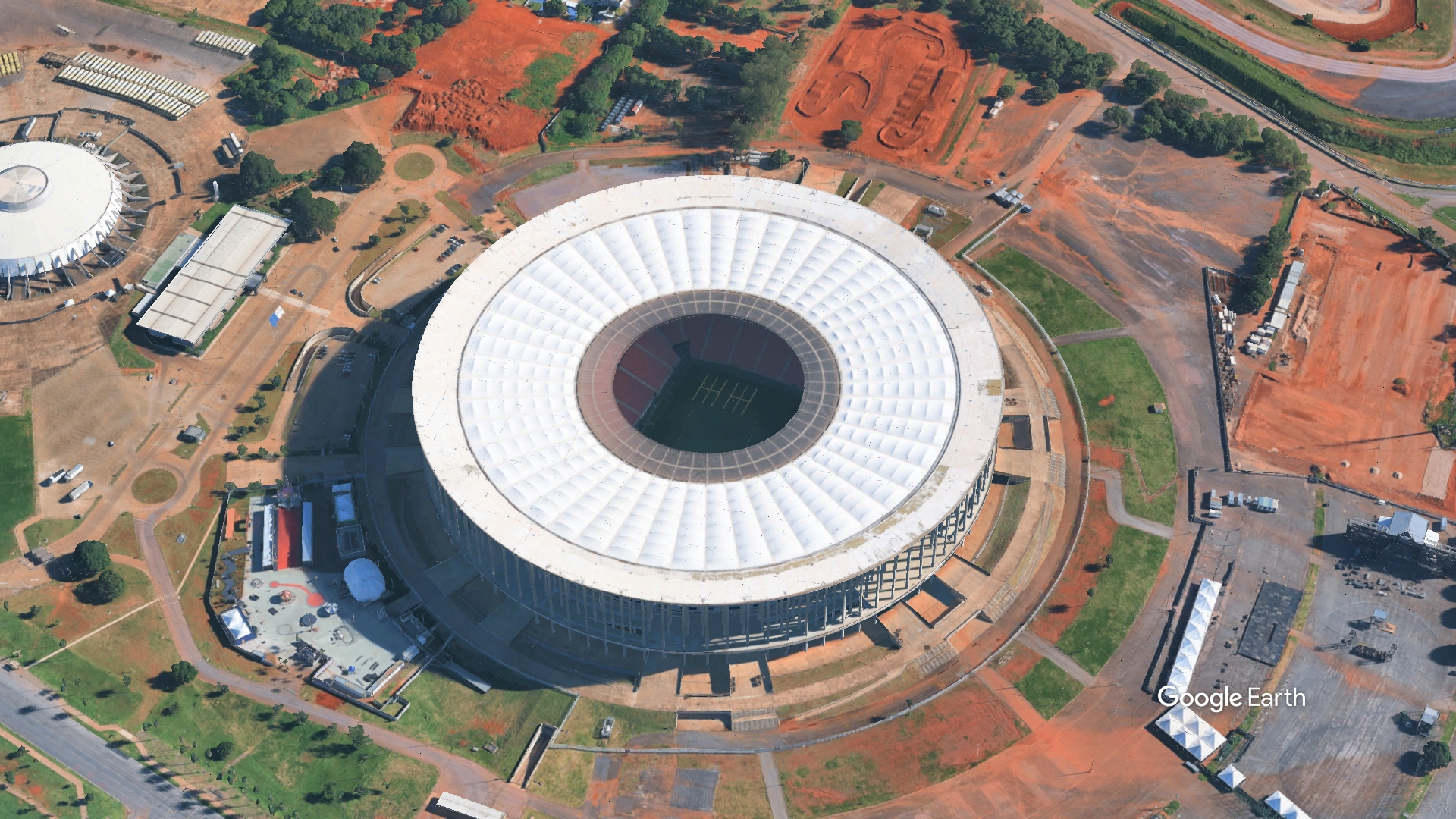
The Estádio Nacional Mané Garrincha in Brasilia is one of the most expensive stadiums ever built. However, Brasília lacks a major football club capable of filling such a venue. Attendance for domestic matches remains low, leaving large sections of the stadium empty during events.
To justify its existence, parts of the stadium have been repurposed into government offices, while surrounding areas serve as bus parking facilities.
Arena Pantanal – Cuiabá
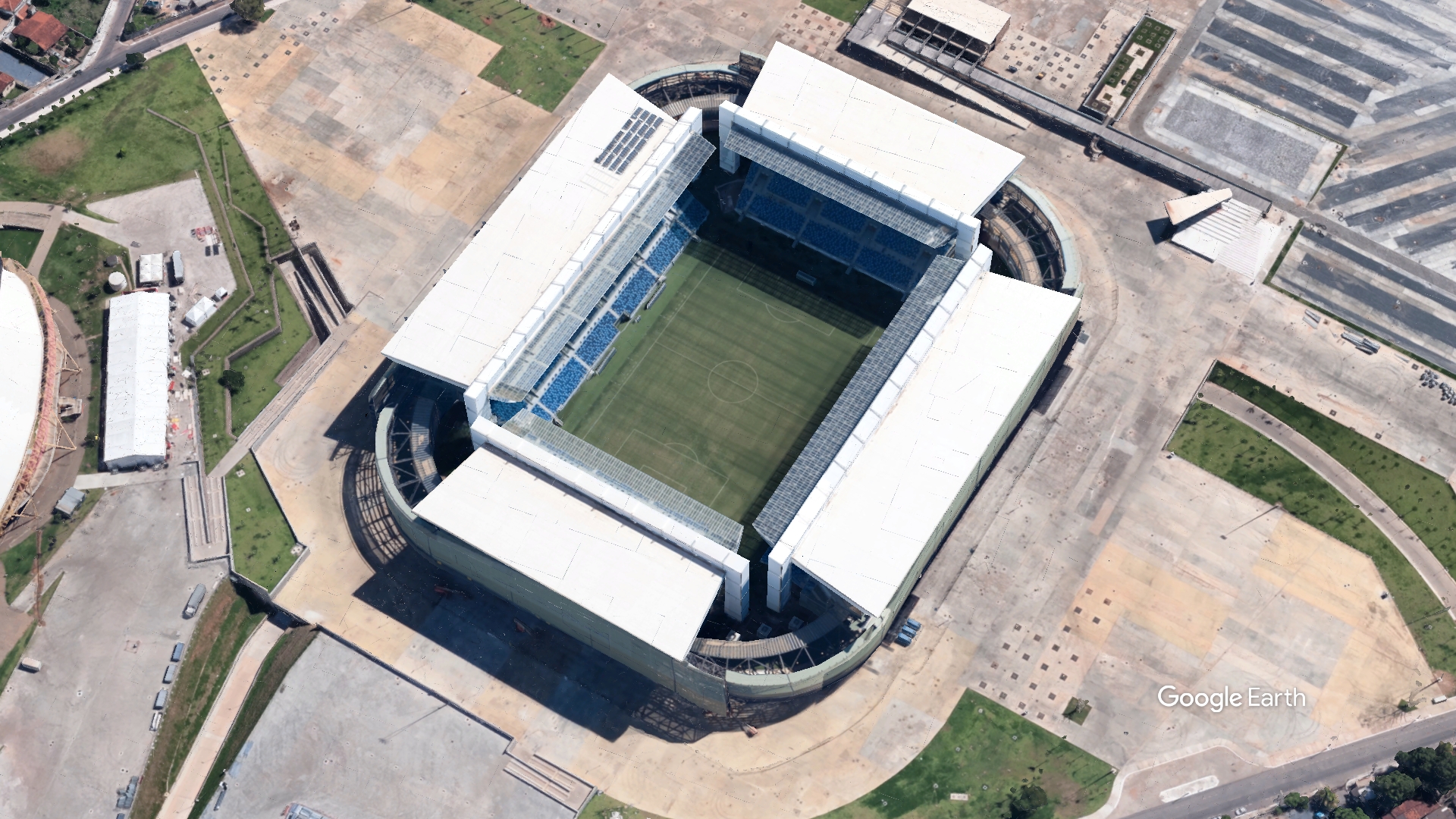
The Arena Pantanal in Cuiabá suffered a similar fate. Built for $230 million, the 42,000-seat stadium was closed for “emergency repairs” a mere seven months after the World Cup concluded due to severe water leaks and structural defects.
Local teams draw fewer than 4,000 fans, rendering the massive capacity completely redundant.
Arena das Dunas – Natal
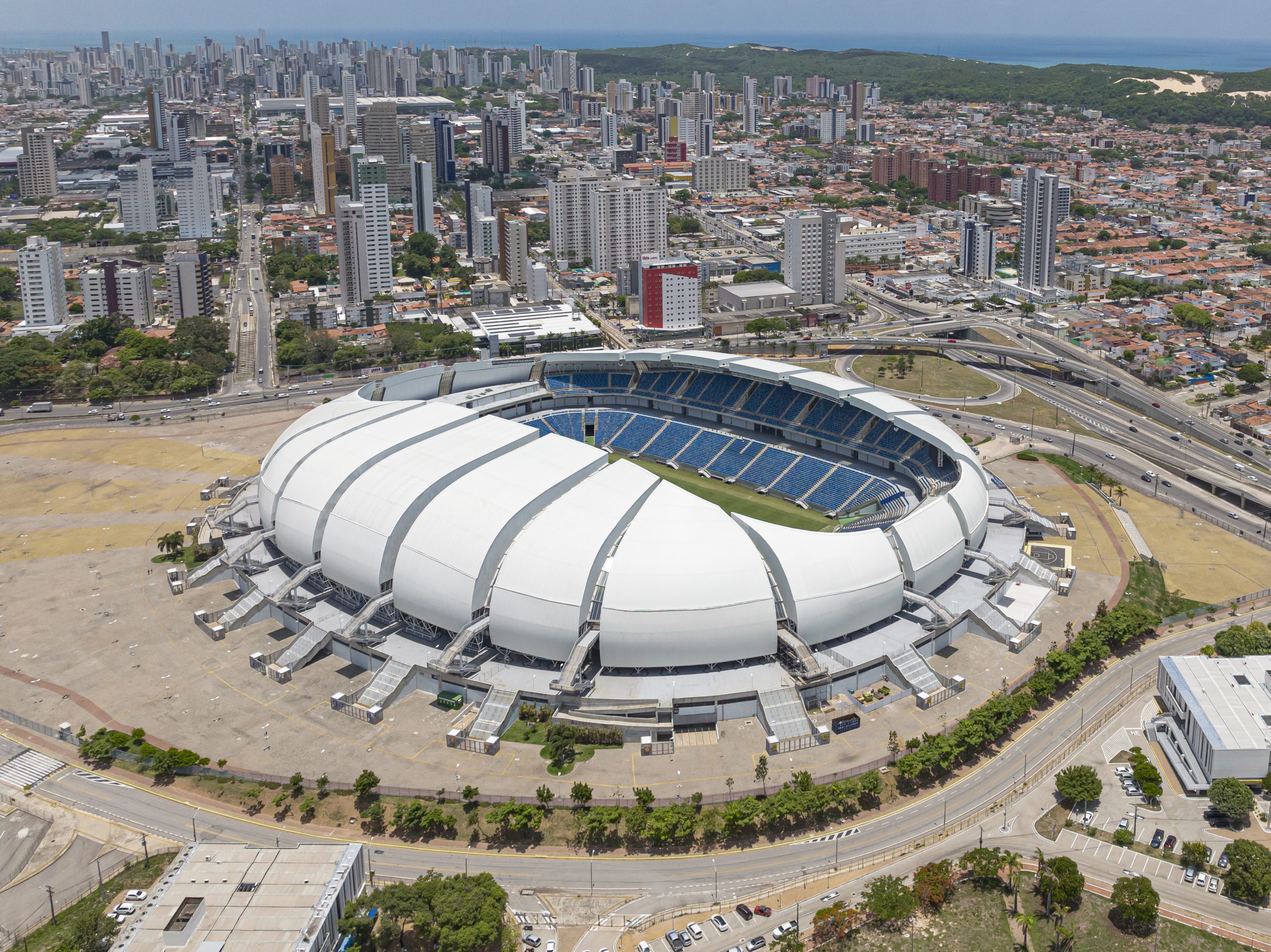 Source: Arne Müseler
In Natal, the sleek, dune-inspired Arena das Dunas has also bled money.
The local club, ABC, broke its agreement to play at the stadium because the operating costs were prohibitively high. When matches are held there, average attendances hover around 3,500 people filling only 10% of the stadium’s capacity.
Arena da Amazônia – Manaus
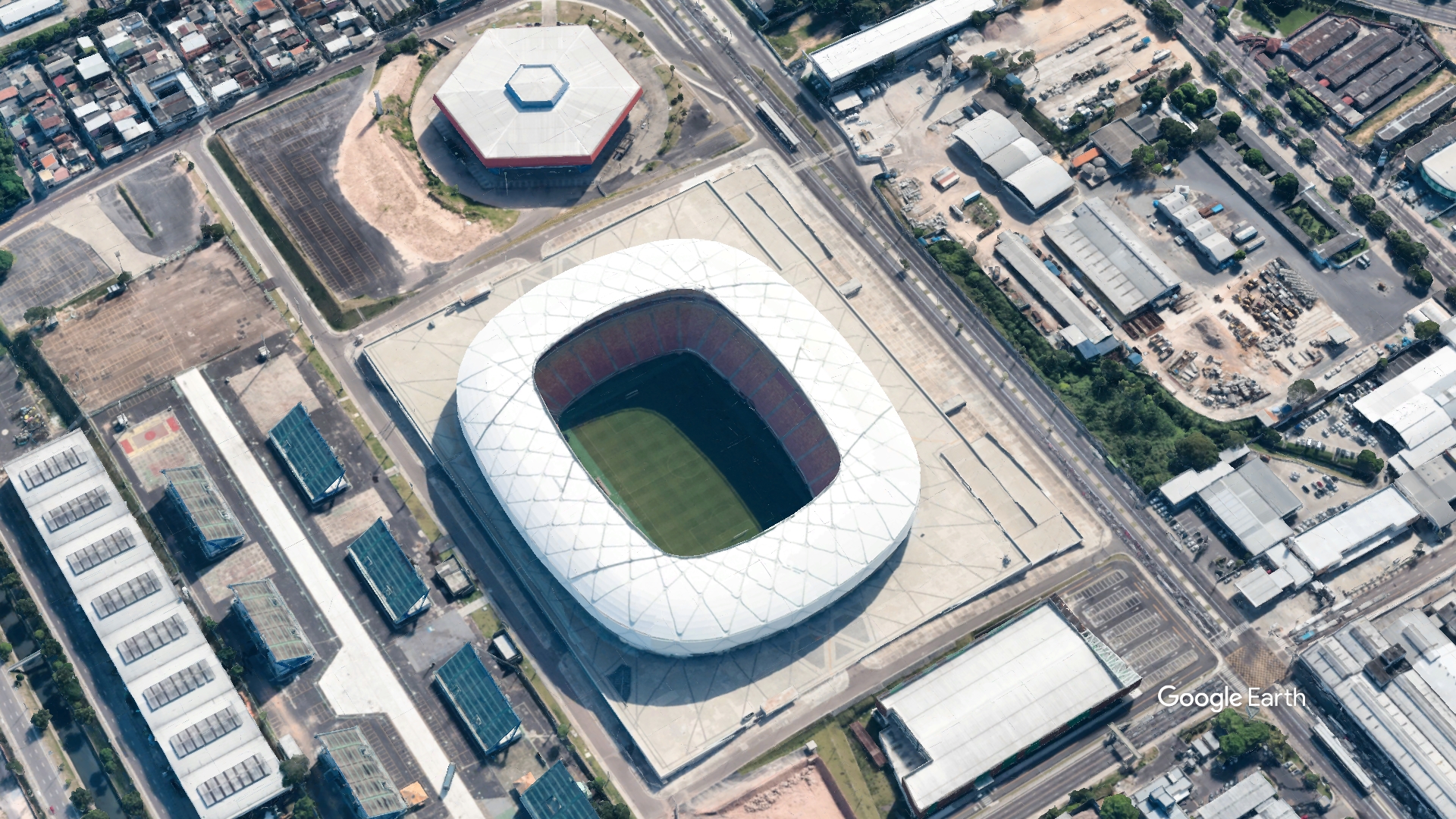
Perhaps the most infamous Brazilian venue is the Arena da Amazônia in Manaus.
Despite its modern design and environmental features, the 44,000-seat stadium has struggled to attract significant crowds. Attendance figures for local matches have often been extremely low, rendering the facility vastly oversized for its context.
Qatar 2022: Modular Ambitions and Uncertain Outcomes
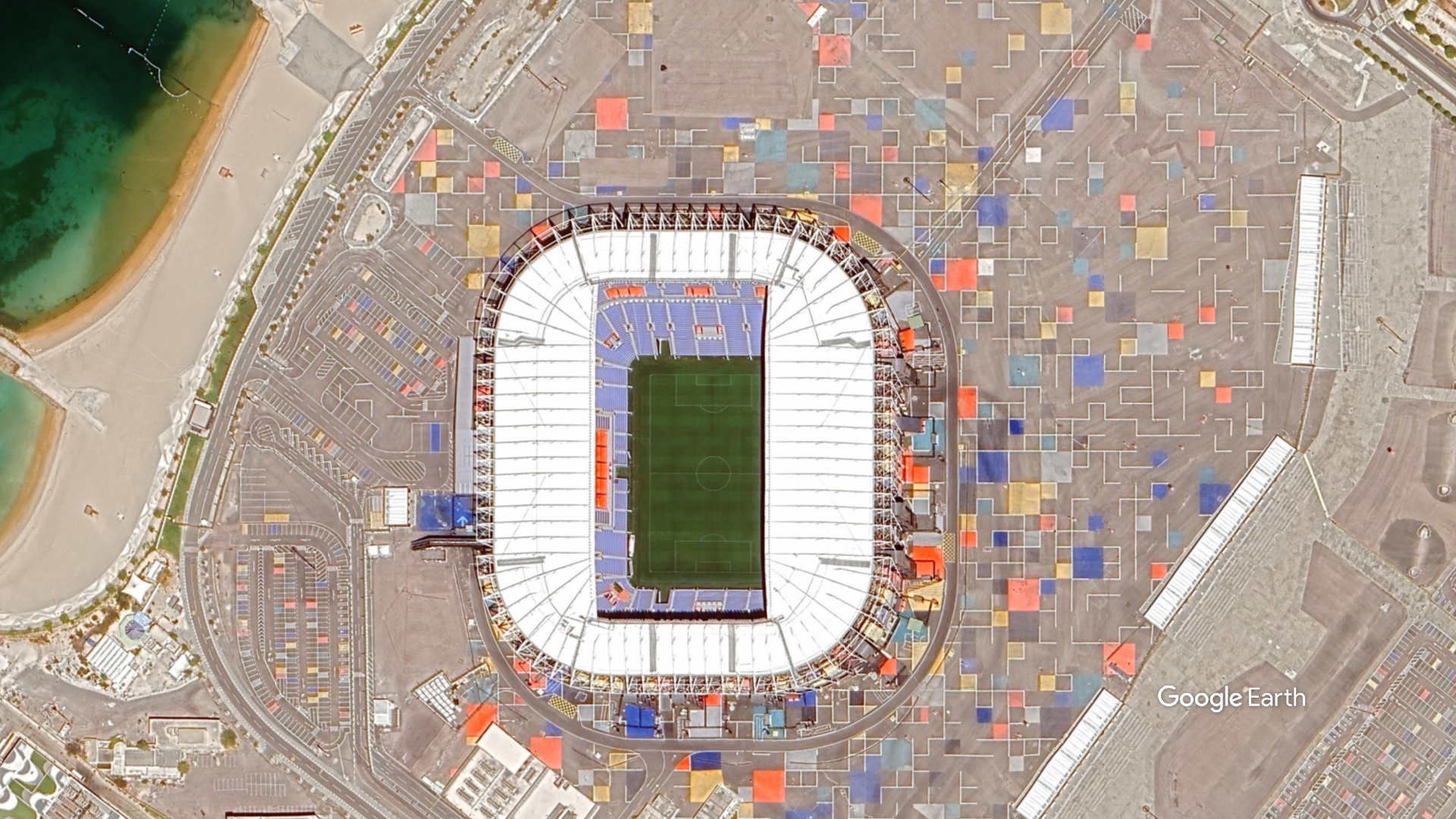
The 2022 World Cup in Qatar was the most expensive in history at an estimated cost of $220 billion to $300 billion.
Qatar’s World Cup introduced a new approach centered on modular design and post-event transformation. The most prominent example is Stadium 974, constructed using shipping containers and designed to be dismantled after the tournament. However, as of 2026, Stadium 974 has not been dismantled.
Other venues were intended to undergo significant downsizing, reducing capacity and redistributing components to other regions. However, progress has been slow, and many stadiums remain largely unchanged.
Conclusion
The history of the World Cup over the past five decades serves as a dire warning regarding the economics of mega-events. The pursuit of international prestige has consistently trapped host cities in cycles of debt and underutilization.
However, the 2026 World Cup is finally adopting a much smarter way forward. Hosted jointly by the United States, Canada, and Mexico, this massive tournament will feature 48 teams playing across 16 different cities. Instead of building huge new structures from scratch, the 2026 event will rely entirely on stadiums that are already built and actively used. Because these venues already have home teams and steady income, there is no risk of them becoming abandoned monuments after the tournament ends.
https://youtu.be/5n-eAnc8sWc