
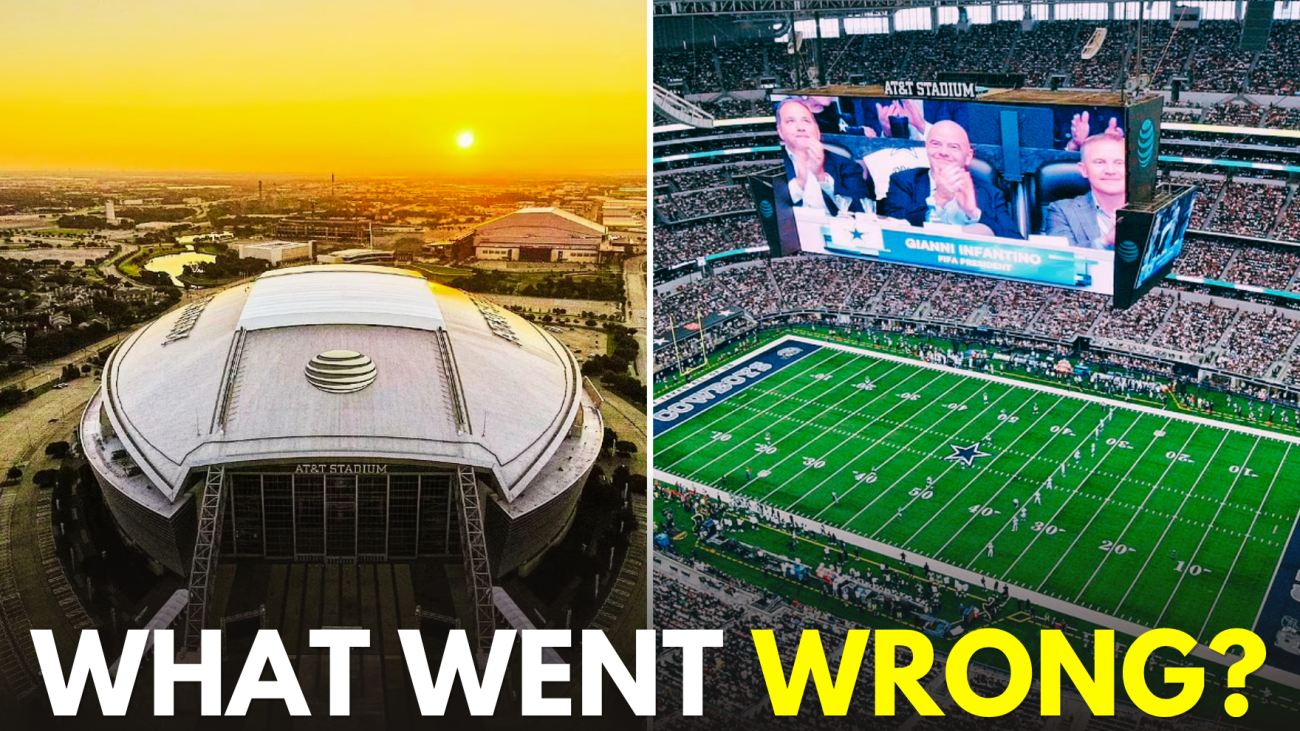
On February 4, 2024, FIFA stunned the North Texas sports world by awarding the 2026 FIFA World Cup Final to MetLife Stadium in the New York/New Jersey metropolitan area instead of the heavily favored AT&T Stadium in Arlington, Texas.
For months, “Jerry World” had been widely regarded as the frontrunner, fueled by aggressive lobbying from Dallas Cowboys owner Jerry Jones and FC Dallas president Dan Hunt. But the decision highlighted a profound shift in how FIFA evaluates bids for the showpiece match of its flagship tournament. The 2026 World Cup, co-hosted by the United States, Canada, and Mexico, will be the largest in history with 48 teams and 104 matches. In this expanded format, selecting the final venue became far more than a question of stadium size. It evolved into a complex assessment of logistical reliability, commercial potential, infrastructural resilience, broadcast economics, and alignment with modern governance standards.
While the failure to secure the final match was a profound blow to the prestige of the Dallas organizing committee, the region successfully pivoted to secure massive operational influence. AT&T Stadium will host an unprecedented nine matches and will serve as the global International Broadcast Center.
Architectural and Agronomic Challenges at AT&T Stadium
The criteria FIFA used in 2026 differ dramatically from those applied during the 1994 World Cup, the last time the tournament was hosted in the United States.
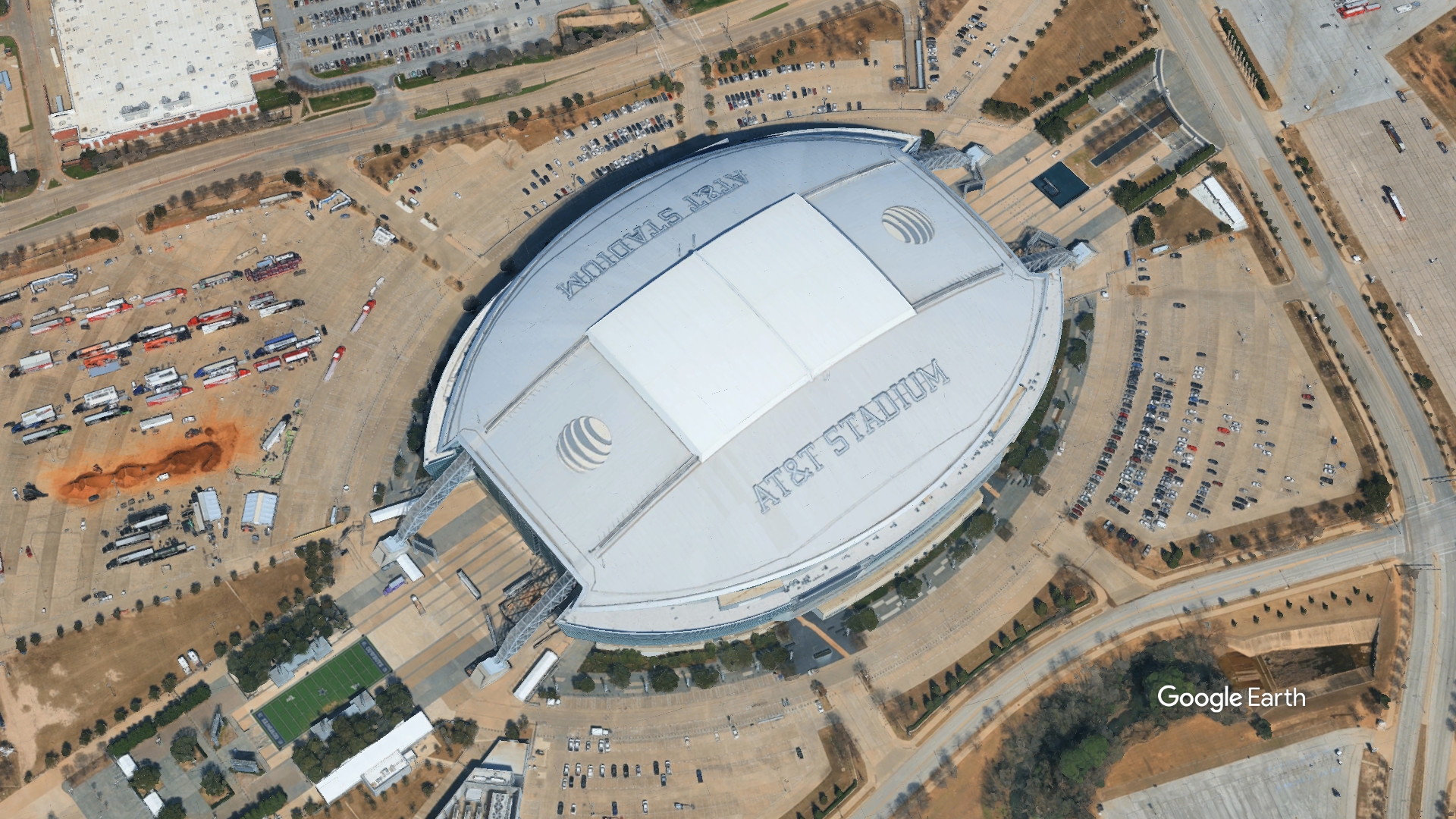
The most immediate technical barrier for Dallas was AT&T Stadium itself. Despite its reputation as a world-class venue, is fundamentally designed for American football and does not meet FIFA’s field dimension standards. To address this, Dallas proposed an ambitious plan to raise the playing surface by 15 feet, allowing the stadium to achieve the necessary width. Capacity would drop from approximately 105,000 to around 90,000 seats — still well above FIFA’s 74,000-seat minimum for the final, but the complexity alone raised red flags.
This solution introduced significant engineering challenges. Elevating the pitch would require constructing a massive temporary platform over existing seating areas, fundamentally altering the stadium’s structural dynamics. The modification would affect sightlines, reduce seating capacity, and introduce complex load-bearing considerations. Moreover, the financial costs associated with such a transformation were substantial and difficult to fully predict.
The challenges did not end there. FIFA mandates natural grass playing surfaces, yet AT&T Stadium traditionally uses synthetic turf. The proposed solution involved installing an advanced irrigation system beneath the elevated pitch and importing specially cultivated grass. This process, while innovative, had never been executed at such a scale in a controlled indoor environment, creating further uncertainty.
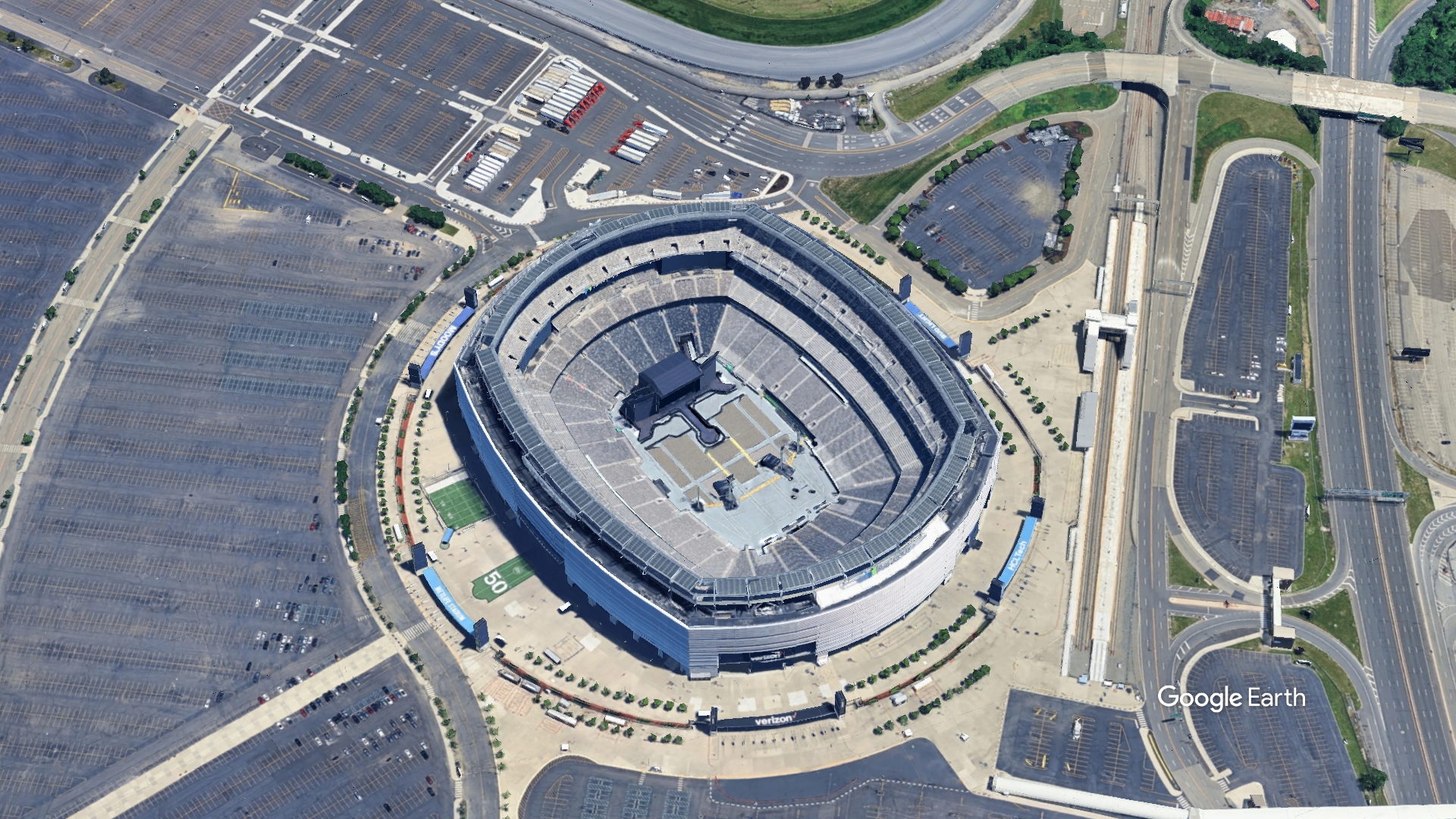
In contrast MetLife Stadium required only minimal and conventional modifications. By removing a relatively small number of 1,740 seats in the four corners of the lower bowl, the stadium could meet FIFA’s dimensional requirements without altering its structural integrity. Furthermore, the transition to natural grass was straightforward and aligned with already established practices.
Transportation and Urban Mobility: A Decisive Factor
Transportation infrastructure emerged as another critical weakness in the Dallas bid. AT&T Stadium is located in Arlington, a city notably lacking a comprehensive public transit system. This absence forced planners to rely heavily on cars, rideshares, and temporary shuttle networks to move large numbers of spectators.
Although regional authorities developed detailed plans involving dedicated highway lanes for buses and coordinated shuttle operations, these solutions were inherently fragile. Road-based systems are susceptible to traffic congestion, accidents, and weather disruptions, all of which introduce uncertainty into event operations. For an event as globally significant as the World Cup Final, such vulnerabilities posed a major concern.
By contrast, the New York/New Jersey region offered a mature and integrated transportation network. MetLife Stadium benefits from direct integration into the NJ Transit rail network, with seamless connections to New York Penn Station and Newark Liberty International Airport.
Broadcast Economics and the Time Zone Factor
Global broadcast revenue heavily influenced the decision. Europe remains FIFA’s most important market, with UEFA teams dominating the later stages of recent tournaments. The final must be scheduled to deliver optimal prime-time viewing windows for European and African audiences.
The time zone difference between Dallas and New York, though seemingly minor, had significant implications. New York operates in the Eastern Time Zone, which allows for kickoff times that align closely with prime evening viewing hours in Europe. Dallas, located in the Central Time Zone, introduces a one-hour delay that can push the end of the match beyond midnight in those same markets.
This shift affects viewer retention and, by extension, advertising revenue. Even small changes in timing can lead to measurable declines in live viewership. FIFA prioritized the location that offered the most favorable alignment with its largest audience base, giving New York a clear advantage.
Commercial Power and the “New York Effect”
Another key factor was the unparalleled commercial and cultural influence of New York City. As one of the world’s leading media and financial centers, New York offers a level of global visibility that few cities can match. Its iconic landmarks, dense urban environment, and established entertainment infrastructure make it an ideal setting for large-scale commercial activations.
FIFA plans to leverage locations such as Times Square to create immersive fan experiences and maximize sponsor exposure. The city’s high foot traffic and global recognition amplify the impact of these activations, creating continuous media coverage and brand visibility.
Dallas, while economically strong, lacks the same level of concentrated global recognition. Although the city proposed fan festivals and commercial zones, these could not match the scale or symbolic power of New York’s offerings.
Socio-Political and Environmental Considerations
FIFA’s evaluation process also reflects a growing emphasis on human rights and environmental sustainability. The organization has committed to aligning its events with international standards, including the United Nations Guiding Principles on Business and Human Rights.
In this context, the socio-political climate of Texas introduced additional concerns. Issues related to LGBTQ+ rights, immigration policies, and labor protections were raised by advocacy groups and contributed to a perception of increased risk. While not the primary factor, these concerns added to the overall challenges facing the Dallas bid. New York by contrast, was viewed as more closely aligned with FIFA’s diversity, equity, and inclusion priorities and its cosmopolitan “melting pot” image.
Environmental considerations further reinforced this disparity. Dallas’s reliance on car-based transportation increased its projected carbon footprint, conflicting with FIFA’s sustainability goals.
Dallas’s Strategic Consolation: Operational Dominance
Despite losing the final, Dallas secured a significant and influential role in the tournament. The city will host nine matches, including one of the semi-finals. This is more than any other venue. In addition, Dallas will serve as the International Broadcast Center, housing thousands of media professionals and acting as the central hub for global communications. This role, supported by a $15 million municipal investment, builds on Dallas’s successful hosting of the IBC during the 1994 World Cup.
This role is critical to the tournament’s success. The broadcast center will manage content distribution, technical operations, and media coordination across all host cities. By securing this position, Dallas has effectively positioned itself as the operational backbone of the World Cup.
While the absence of the final represents a missed opportunity for prestige, the city’s extensive involvement ensures long-term economic benefits and a prominent place in the tournament’s overall structure.
Conclusion
The selection of New York over Dallas for the 2026 World Cup Final illustrates the evolving priorities of global sports organizations. The decision was not based on a single factor, but on a comprehensive assessment of risk, infrastructure, commercial potential, and global alignment.
This outcome underscores a broader shift in mega-event planning. Success is no longer defined by scale alone, but by the ability to deliver a seamless and reliable experience on a global stage. In this context, New York/New Jersey represented the optimal choice, while Dallas, despite its strengths, fell just short of meeting the demands of a modern World Cup Final.
https://youtu.be/J182P_3Q4_o