
Nottingham Forest are one of the oldest and most famous football clubs in England. The club was founded over 161 years ago and has a proud history that includes winning the European Cup twice. For many fans, Forest is more than just a football team. It represents pride, loyalty, and tradition passed down through generations.
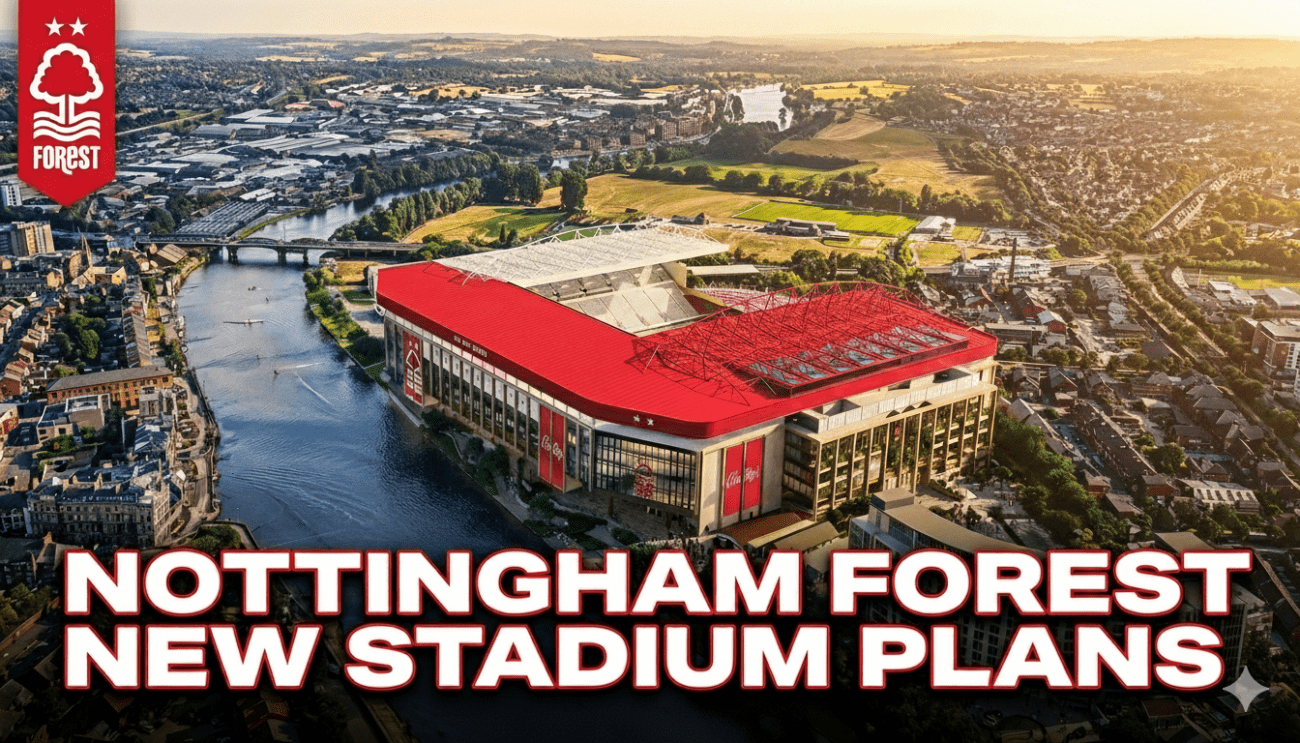
Now, after returning to European football for the first time in 30 years, Nottingham Forest are preparing for a big change. Under their billionaire owner, Evangelos Marinakis, the club plans to redevelop their historic stadium, the City Ground. This ground, which sits beside the River Trent, has been Forest’s home for more than a century. The aim is to modernise it while keeping its soul and identity.
For former players and lifelong supporters, Forest holds a special place in their hearts. Many fans have supported the club since childhood. Some went to their first match before they could even walk. No matter whether the team was winning trophies or struggling in lower leagues, the love for the club never faded. Forest is a way of life for many people in Nottingham.
A stadium full of history
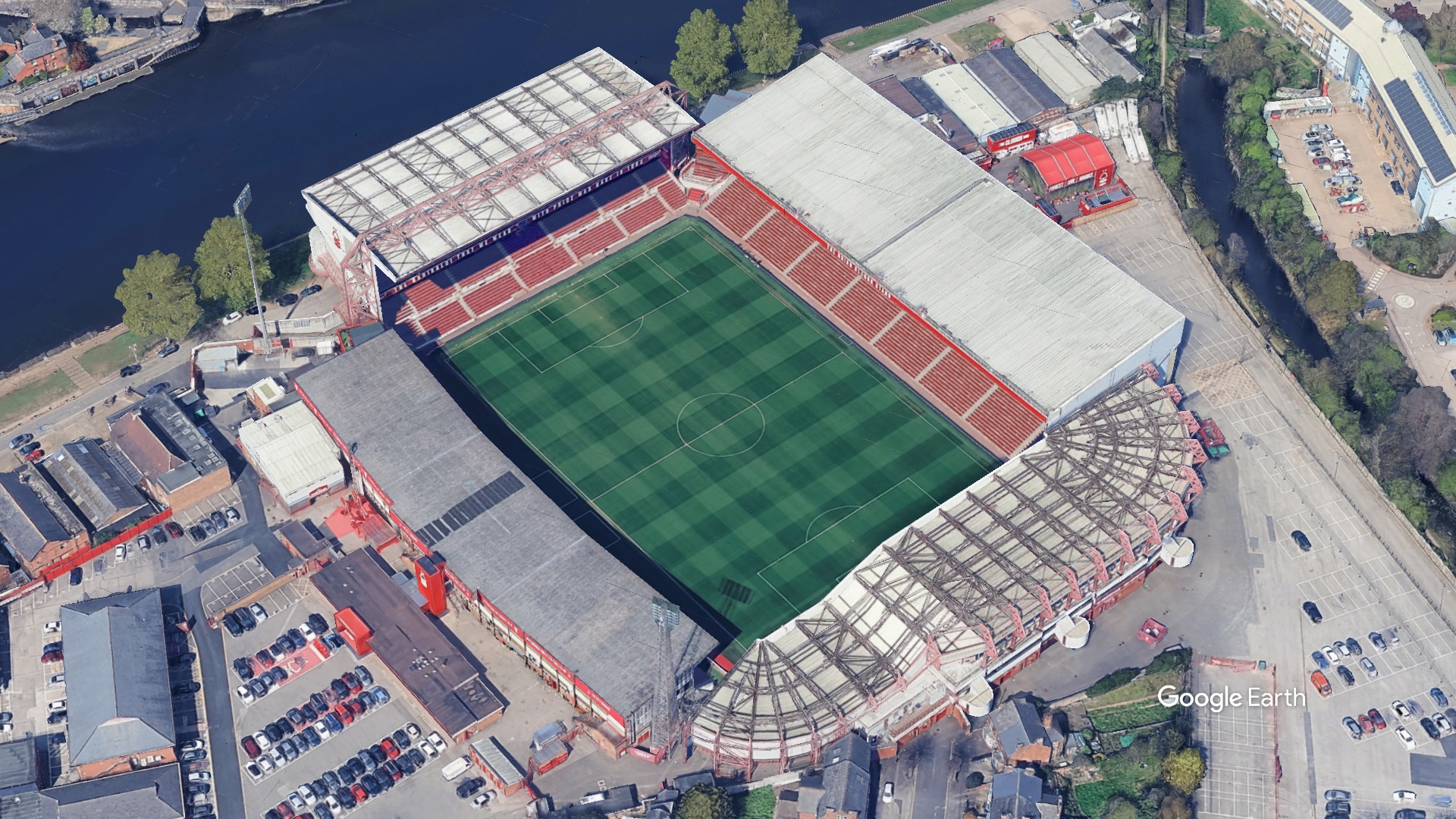
Few football stadiums in England have a story like the City Ground. Nottingham Forest moved there in September 1898, and since then it has seen some incredible moments, as well as difficult times.
On the pitch, Forest reached the very top of football under legendary manager Brian Clough. They won league titles and became champions of Europe. But after those glory years, the club suffered a long decline. Forest spent 23 years outside the top division before finally returning to the Premier League in 2022.
Off the pitch, the City Ground has its own dramatic history. In 1947, the stadium was flooded when the River Trent burst its banks. Then, in 1968, disaster struck again when the newly rebuilt main stand caught fire during a match against Leeds United. Over 31,000 fans were inside the stadium at the time. Thankfully, nobody was hurt, but the stand had to be rebuilt once more. During that period, Forest were forced to play their home games at their rivals Notts County’s Meadow Lane.
Over the years, the stadium slowly changed and grew. The Brian Clough Stand, the largest stand in the ground, opened in 1980 and was named after Forest’s greatest ever manager. The Bridgford Stand followed in 1992 and was designed with a curved roof so nearby houses could still get sunlight. The Trent End was later redeveloped to host matches during Euro 96.
Today, the City Ground holds just over 30,000 fans, making it one of the smaller stadiums in the Premier League. Fans love it for its tight design and loud atmosphere. It feels old-fashioned in the best way. But it is also clear that parts of the stadium are outdated and need improvement.
Many supporters admit they adore the stands and the memories tied to them, but the facilities are not always good enough. While the stadium feels special, it is no longer fit for a modern top-level club.
Why redevelop now?
Forest have wanted to improve the City Ground for many years. Small upgrades have been made recently, such as new LED screens, better dressing rooms, and temporary seating added after promotion to the Premier League. But these changes were never enough.
As far back as the early 1990s, there were talks of a shared stadium with Notts County, but that idea was strongly opposed. Between 2007 and 2009, Forest proposed several new stadium plans, including a huge 50,000-seat ground. None of these plans were approved.
Everything changed when Evangelos Marinakis bought the club in 2017. His arrival brought hope and ambition. Forest’s performances on the pitch improved, leading to promotion in 2022 and qualification for European competition after a strong 2024–25 season.
With European football, sold-out crowds, and growing global interest, Forest realised they were losing money because of the stadium’s limited size. A modern, bigger stadium means more ticket sales, better facilities, and more income. For Marinakis, this was an opportunity the club could not afford to miss.
Fans agree that redevelopment is needed. Many people want to attend matches but cannot get tickets. Expanding the stadium would allow more supporters to experience Forest live. At the same time, staying at the City Ground is seen as essential. Moving elsewhere could damage the club’s identity.
The new plans
In 2019, Forest revealed plans for a new Peter Taylor Stand, replacing the oldest stand in the stadium. This new stand was set to hold 10,000 fans, with extra seats also added to the Bridgford Stand. Construction was due to begin in 2020, but the COVID-19 pandemic caused major delays.
There were long discussions with Nottingham City Council, who technically own the land. At one point, Marinakis even considered building a brand-new stadium outside the city. However, in 2025, permission was finally granted for redevelopment at the City Ground.
Since then, Forest have gone even further. New architects were brought in, and bigger, bolder plans were submitted. The new proposal includes a massive 15,000-seat Peter Taylor Stand, standing 58 metres tall. This would be one of the biggest and most impressive stands in English football.
Importantly, the club plans to build the new stand behind the current one. This means fans can continue using the old stand while the new one is built. There would be no full stadium closure and no big loss of capacity during construction.
There are also plans to fill in the corners of the Trent End, adding even more seats. Once complete, the City Ground could hold between 43,000 and 45,000 fans. The next stage would enlarge the Brian Clough Stand, pushing numbers up to 52,000.
That would make it bigger than Chelsea’s Stamford Bridge and larger than the stadiums of local rivals Derby County and Leicester City.
Fans are excited by the plans. Many say they are proud the club is staying where it belongs. The redevelopment shows respect for Forest’s history while preparing for the future.
Time and cost
Before work can begin, the new plans must receive planning approval. If approved, construction could start soon, but building such a large stand will take time. The new stand is expected to take around 18 months to complete and may open in stages.
Realistically, the full project may not be finished until the late 2020s. Forest have made it clear they will continue with the project regardless of what league they are in. Even if the team is relegated, the redevelopment will go ahead.
The cost is significant. Early estimates put the project at around £94 million, but rising construction costs mean it could now reach £130 million. Marinakis will fund the project himself. Importantly, spending on stadium improvements does not count towards financial fair play rules, giving Forest a rare advantage.
Is it worth it?
From a business point of view, the answer is yes. A bigger stadium means more fans, more revenue, and more money to invest in players. But supporters care about more than money.
The City Ground is famous for its atmosphere. It is loud, intense, and intimidating for visiting teams. Forest must make sure that modernisation does not destroy that feeling. Other clubs have moved to new stadiums and lost their soul. Forest want to avoid that mistake.
By redeveloping the existing site instead of moving, the club hopes to keep the spirit of the City Ground alive. There will be challenges, especially for local residents who may face more traffic and disruption. But the long-term benefits for the club and the city are huge.
A future built on tradition
This redevelopment is not just about concrete and seats. It is about giving one of football’s greatest clubs a home that matches its history and ambition.
For 127 years, the City Ground has stood beside the River Trent. It has survived floods, fires, and rebuilding. Now, it is ready to rise again.
From the glory days of Brian Clough to the European nights still to come, Nottingham Forest’s story is far from over. This is not just a renovation. It is the rebirth of a football icon.