

Walking up to the Emirates Stadium on a matchday feels special, but for thousands of Arsenal fans, it also feels increasingly impossible. Every single home game is sold out. The waiting list for season tickets has ballooned to over 100,000 people.
While having a popular team is a good problem to have, the reality is that Arsenal has simply outgrown its home. What was once the biggest and best club stadium in London is now starting to feel a little bit small, and the club’s hierarchy knows that fixing this is the next big step in their journey.
Falling Behind the Neighbors
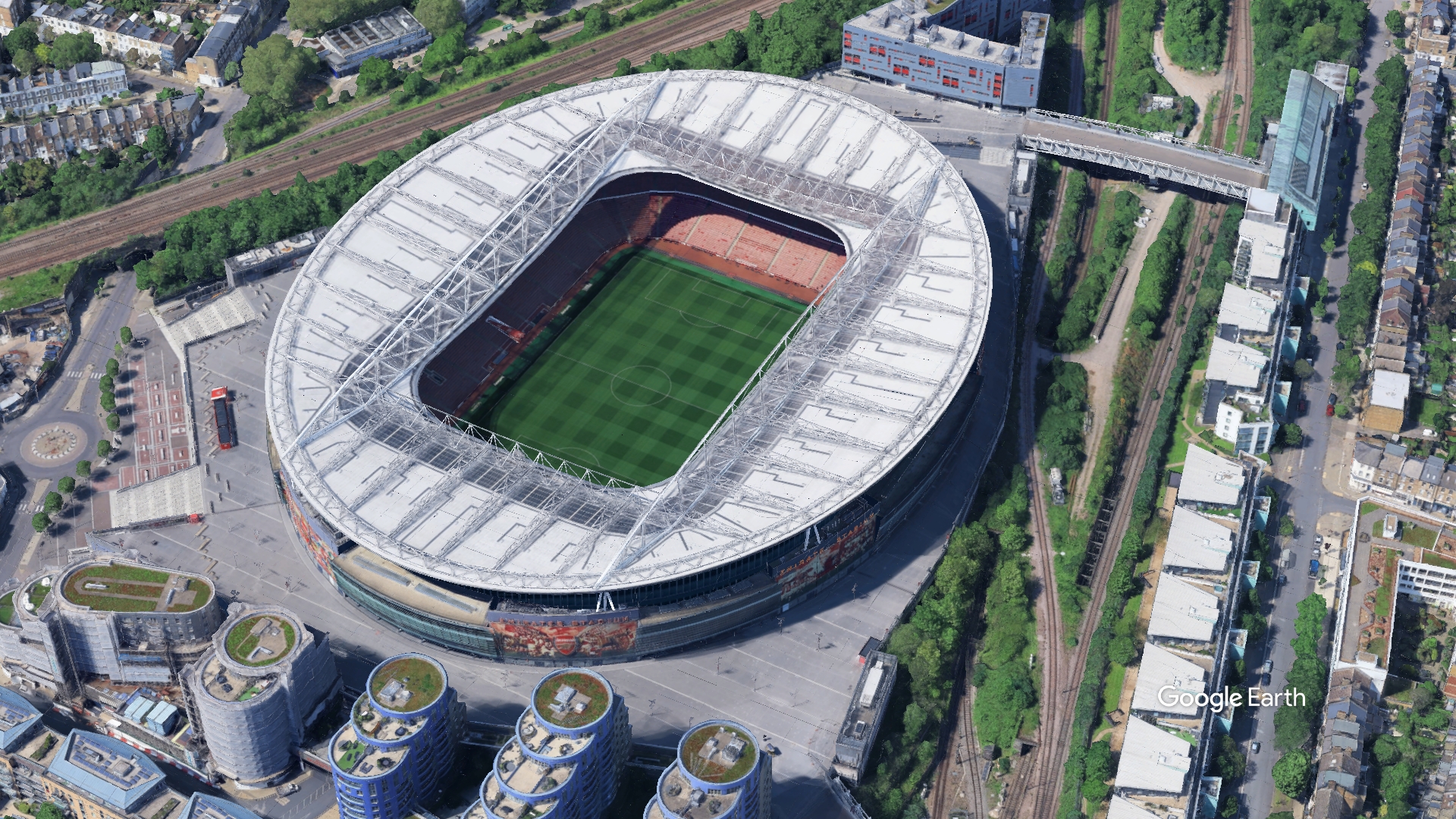
The conversation about expanding the stadium has shifted from a “nice idea” to a serious business plan. Co-chair Josh Kroenke recently admitted that internal discussions are happening about how to renovate the ground. This isn’t just about getting more fans through the turnstiles; it is about making sure Arsenal doesn’t fall behind their rivals.
When the Emirates opened in 2006, it was a game-changer. It held over 60,000 people, which was massive at the time, second only to Manchester United’s Old Trafford in the Premier League. It gave Arsenal a huge financial advantage over everyone else.
But football moves fast. In the last few years, the landscape has changed completely. Tottenham Hotspur built a state-of-the-art stadium just down the road that holds over 62,000 people. West Ham moved into the London Stadium, and Liverpool expanded Anfield. Suddenly, Arsenal’s home is only the fifth largest in the league. With Manchester City expanding the Etihad and Manchester United talking about building a brand-new “Wembley of the North,” the danger is that Arsenal could slip even further down the list.
The Money Game
In modern football, stadium size equals spending power, and falling behind on seats means falling behind on transfers. The financial difference between the stadiums is simple but significant. Right now, Arsenal makes about £4.2 million from every home game. That sounds like a lot, but Tottenham is reportedly making significantly more per match because their stadium has more seats and better facilities.
Over a season of 19 home games plus European matches, that difference adds up to tens of millions of pounds. If Arsenal could expand the Emirates to hold 75,000 or 80,000 people, they could bridge that gap. That extra money is what pays for the wages of star players or funds the next big summer signing without breaking the league’s strict financial rules.
How Do You Make a Stadium Bigger?
So, how do you actually make the stadium bigger? It is not as simple as just adding more chairs. The Emirates was built as a tight, perfect bowl, which makes it great for viewing but a nightmare to expand. Experts believe there are two main ways the club could do it, and both come with huge challenges.
Option 1: Build Up
The first option is to build upwards. This would mean taking off the current roof and adding a new tier of seating on top of the existing stands. It is the most obvious way to get to that massive 80,000 capacity figure, similar to what Barcelona is doing with their stadium. However, this is incredibly expensive and difficult. The roof of the Emirates is a complex piece of engineering designed to let sunlight hit the grass. Removing it and building a new, higher roof would cost hundreds of millions of pounds.
Option 2: Dig Down
The second option is to dig downwards. This involves lowering the pitch by a few meters and adding new rows of seats at the bottom, close to the action. This is what Manchester City did when they took over their stadium. It is likely cheaper than rebuilding the roof.
This idea is familiar to Arsenal’s owners. Kroenke Sports & Entertainment used a similar concept when building the 70,000-seat SoFi Stadium in Los Angeles — home of the NFL’s LA Rams.
The Transport Headache
This leads to the biggest headache of all: the trains. Even if Arsenal can figure out how to build the seats, they have to figure out how to get the fans there. The local tube stations—Holloway Road, Arsenal, and Highbury & Islington—are already packed to the limit on matchdays.
Holloway Road is exit-only because the lifts can’t cope with the crowds, and Drayton Park is often closed. Adding 20,000 more people to that mix would be dangerous without major upgrades. The club would likely have to pay millions to Transport for London to improve the stations as they did in 2006.
The Wembley Question
Then there is the question of where the team would play while the work is being done. If the construction is major, like removing the roof, Arsenal might not be able to play at the Emirates for a season or two.
The most likely temporary home would be Wembley Stadium. While Wembley is big, it doesn’t feel like home. Tottenham played there while their new ground was being built, and both the fans and the players hated it. It lacks the atmosphere of a proper football ground.
Arsenal fans, who remember their struggles playing Champions League games at the old Wembley in the late 90s, view this possibility with dread.
Short-Term Pain for Long-Term Gain
Despite all these hurdles, the feeling is that something has to happen. The current stadium is nearly twenty years old. There have been reports of leaks in the roof, and the technology inside is starting to look dated compared to the newer grounds in America and Europe. The owners know that to keep Arsenal as a global super-club, they need a stadium that matches that ambition.
It is a classic case of short-term pain for long-term gain. The construction would be noisy, expensive, and disruptive. But if the end result is an 80,000-seater fortress that guarantees Arsenal can compete with the richest clubs in the world for the next fifty years, most fans would probably say it is worth it. The Emirates has been a good home, but to secure the future, Arsenal might need to break it apart and build something even better.